

Your Guide to the 1967 Mercury Brougham Engine Coolant Bypass Hose
Understanding this small but critical hose is key to protecting your classic Brougham's V8 engine from overheating.
- The bypass hose is critical for preventing engine hot spots during warm-up in your Brougham's V8.
- Failure is due to age-related rubber decay; symptoms include leaks, overheating, and visible hose damage.
- A quality, molded aftermarket hose from a brand like Gates is the best and most reliable replacement option.
- Do not drive with a suspected coolant leak, as it can lead to catastrophic engine failure.
Is Your Classic Brougham's Engine At Risk?
The engine coolant bypass hose is a simple part, but its failure can lead to serious problems. On a classic car like the 1967 Mercury Brougham, rubber components are especially prone to failure simply due to age. Heat and coolant exposure cause the rubber to break down over decades. Being aware of the signs of a failing hose is crucial for any owner.
Symptoms of a Failing Bypass Hose
- Coolant Leaks: This is the most common symptom. You may find puddles of green or yellow fluid under the front of your engine. A small leak might just leave a crusty residue near the water pump or produce a sweet smell after a drive.
- Engine Overheating: If the bypass hose splits or bursts, it can leak a large amount of coolant quickly. This will cause the engine temperature gauge to climb into the red, risking severe damage like warped cylinder heads or a blown head gasket.
- Visible Hose Damage: During regular checks, visually inspect the hose. Look for cracks, splits, or a swollen, bulging appearance. Squeeze the hose (when the engine is completely cool); if it feels mushy, spongy, or rock-hard, it is deteriorating internally and needs to be replaced immediately.
- Steam from Engine Bay: If leaking coolant drips onto hot engine components, it will turn into steam, which you may see coming from under the hood.
Choosing the Right Aftermarket Bypass Hose
For a vehicle from 1967, finding original "new old stock" (NOS) Ford parts is extremely difficult and often unnecessary for a simple rubber hose. The primary choice for your Brougham is a new aftermarket part.
- Aftermarket (Recommended): Modern aftermarket hoses from reputable brands are often made from superior EPDM rubber compounds that resist heat, ozone, and chemical degradation better than the original parts. For a part like this, a quality aftermarket hose is the most practical and reliable option. Gates is a well-known and respected brand for belts and hoses.
Known Issues, Recalls, or TSBs
A search of the National Highway Traffic Safety Administration (NHTSA) database and other historical records shows no specific recalls or technical service bulletins (TSBs) for the engine coolant bypass hose on the 1967 Mercury Brougham. Any failure of this part today is due to the natural aging and degradation of the original rubber material, not a manufacturing defect.
Cost of Replacing the Engine Coolant Bypass Hose
| Part Type | Estimated Cost |
|---|---|
| New Aftermarket (Gates) | $81.22 |
| Shop Labor | $120 - $200 (estimated) |
Frequently Asked Questions
Can I drive with a leaking bypass hose?
No. Driving with any coolant leak is a major risk. The hose could fail completely at any moment, leading to rapid coolant loss, engine overheating, and severe mechanical damage.
Is Gates a good brand for this hose?
Yes, Gates is widely considered a top-tier brand for aftermarket belts and hoses, known for quality materials and proper fitment.
Why is a molded hose necessary?
The bypass hose often has specific bends to route around other engine components without kinking. A generic straight hose will likely collapse or kink, blocking coolant flow and causing the engine to overheat.
What else should I replace at the same time?
It is highly recommended to replace the hose clamps whenever you replace a coolant hose. Old clamps can lose tension and fail to create a proper seal. It's also a good opportunity to inspect all other coolant hoses (radiator, heater) and the drive belts for wear.
Technical Specifications
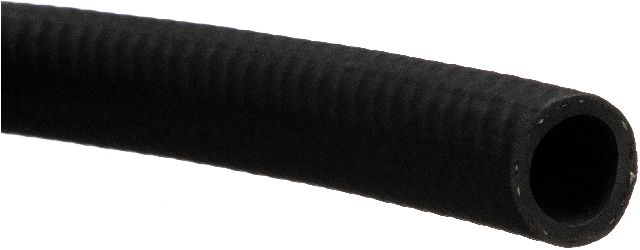
Molded rubber construction, designed for specific routing between the water pump and intake manifold.
We Have This Part in Stock

The information in this article is provided for general reference and educational purposes only. Vehicle specifications, procedures, and part compatibility can vary by production date, trim level, and region. Always consult your vehicle's factory service manual and verify part numbers before purchasing or performing repairs. Safety-critical components such as airbags, seat belts, and braking systems should be installed by a qualified professional.