

Choosing the Right Spark Plugs for Your 1967 Chevrolet K20 Panel
Get your classic K20 Panel running smoothly with the correct new aftermarket spark plugs.
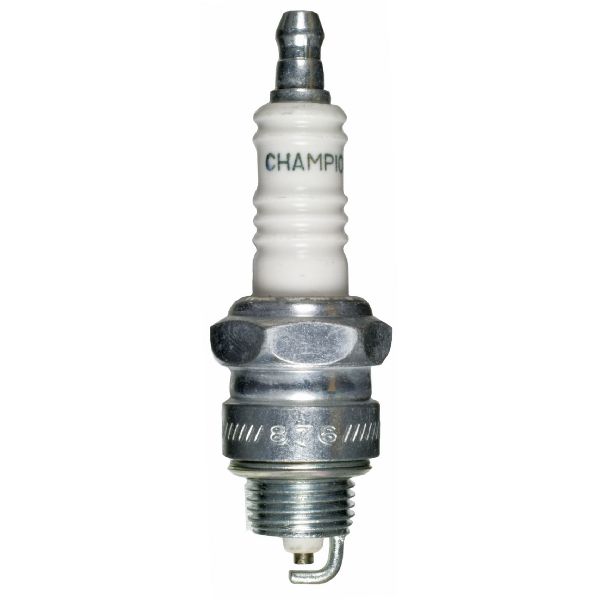
- For a 1967 K20 Panel, stick with standard copper core spark plugs from brands like Autolite or Champion; expensive modern plugs are not necessary.
- The single most important step is setting the correct spark plug gap: 0.035" for a stock points ignition or 0.045" for an upgraded HEI system.
- Symptoms of failure include rough idle, poor acceleration, and engine misfires.
- Replacing spark plugs is a simple, low-cost DIY job that can be done in under an hour with basic tools.
Signs of Failing Spark Plugs
When spark plugs wear out, they can't create a strong enough spark. This leads to several noticeable problems in your K20 Panel. Because these trucks have simpler ignition systems, they are often more sensitive to spark plug condition. Common signs include:
- Rough Idle: The engine may shake, sputter, or sound uneven when the truck is stopped.
- Engine Misfires: You might feel a hesitation, stumble, or jerk from the engine, especially when accelerating.
- Poor Acceleration: The truck may feel sluggish or seem to lack power when you press the gas pedal.
- Reduced Fuel Economy: If you're making more trips to the gas station, inefficient combustion from old plugs could be the cause.
- Difficulty Starting: Weak or fouled plugs can make it harder for the engine to fire up, particularly on cold mornings.
Check the Wires First
On these older Chevy trucks, a sudden rough idle or a clicking noise from the engine bay can often be a loose or failed spark plug wire, not the plug itself. Before you replace the plugs, always check that the wires are securely attached to both the spark plug and the distributor cap.
Choosing the Right Aftermarket Spark Plug
For a vintage vehicle like the 1967 K20 Panel, you have several good choices. The most important factor is choosing the right type of plug for your truck's original ignition system.
OEM vs. Aftermarket Quality
For a 1967 model, the lines between "OEM" and "aftermarket" are blurred. The original plugs were likely AC-Delco, but high-quality aftermarket brands like Autolite and Champion have been making suitable replacements for decades. For this truck, there is no significant quality difference between a new AC-Delco plug and a comparable new plug from Autolite or Champion, as long as you use the correct type.
Stick with Copper Core Plugs
Your K20 Panel's original ignition system was designed to use standard copper core spark plugs. While modern, more expensive plugs made from platinum or iridium are available, they do not offer any performance benefit in these vintage engines. In fact, they can sometimes cause ignition issues if the rest of the system isn't upgraded. Sticking with a quality copper plug from a trusted brand is the most reliable and cost-effective choice.
Brand Tiers: Autolite vs. Champion
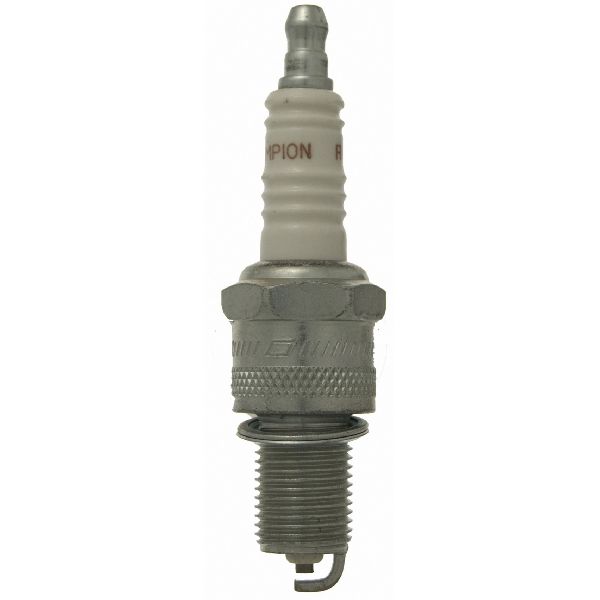
Both Autolite and Champion are well-established brands that offer reliable copper core spark plugs suitable for your K20 Panel. Some classic truck owners and mechanics develop a preference, but both are considered good choices. The most important thing is to get the correct part number for your specific engine (e.g., 292 I-6 or 327 V8) and to gap it properly.
| Brand | Type | Typical Price (per plug) |
|---|---|---|
| Autolite / Champion | Standard Copper Core | $3.50 - $9.31 |
| AC-Delco (OEM Equivalent) | Standard Copper Core | $4.00 - $10.00 |
Known Issues & Recalls
There are no specific recalls or Technical Service Bulletins (TSBs) from the NHTSA related to spark plugs for the 1967 Chevrolet K20 Panel. This is common for a vehicle of this age. Any running issues are more likely related to normal wear and tear of tune-up components rather than a manufacturing defect.
Frequently Asked Questions (FAQ)
What is the most important step when installing new spark plugs?
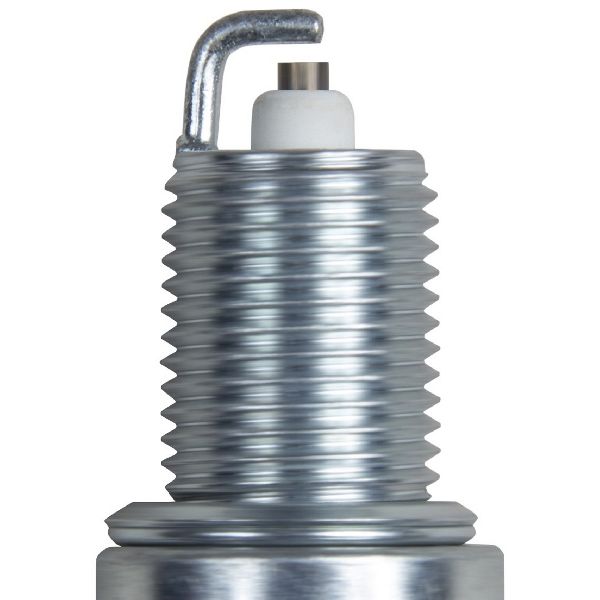
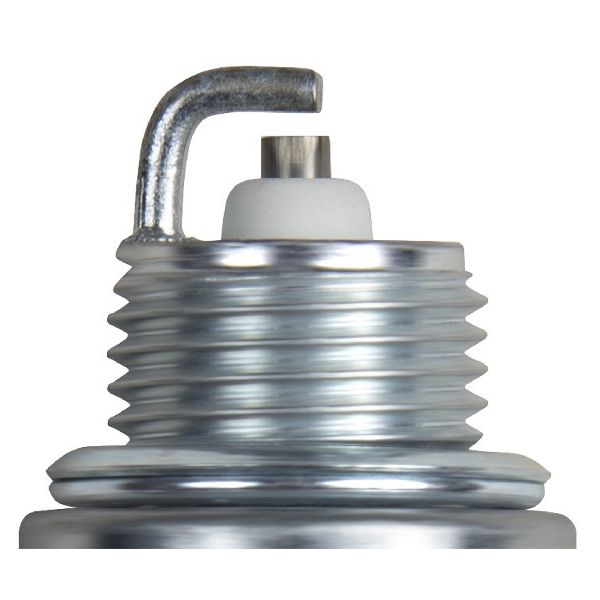
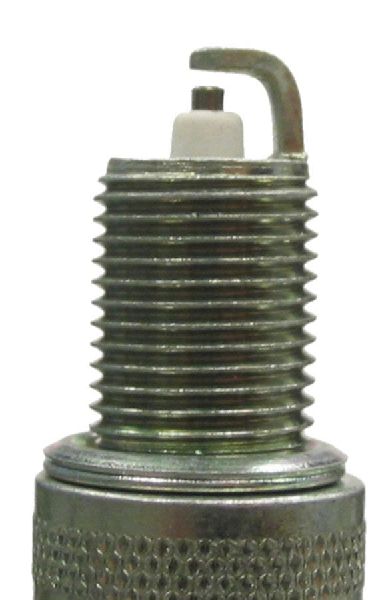
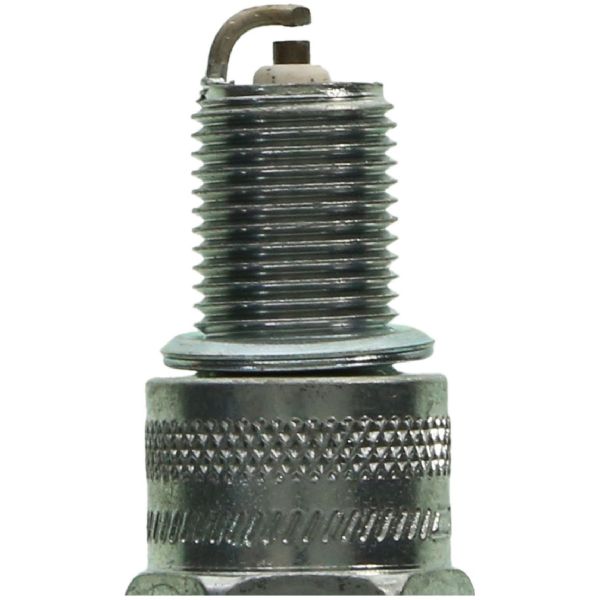
Checking the spark plug gap. The gap is the distance between the two electrodes at the bottom of the plug. For a stock 1967 K20 Panel with a points-style ignition, the gap should be set to 0.035 inches. If your truck has been upgraded with a GM High Energy Ignition (HEI) system, the gap should be wider, at 0.045 inches. Always use a gapping tool to check and adjust the gap on new plugs before installation.
How often should I change the spark plugs on my K20 Panel?
For standard copper core plugs in these older engines, a good rule is to inspect them every 10,000-15,000 miles and replace them every 20,000-30,000 miles. If the truck is not driven often, it's a good idea to replace them every few years regardless of mileage to prevent them from seizing in the cylinder head.
Is replacing spark plugs a difficult DIY job?
No, this is an excellent job for beginners. Engine access on the 1967 K20 Panel is generally very good, and the job requires only basic hand tools like a ratchet, extensions, and a spark plug socket. The key is to work on one cylinder at a time to avoid mixing up the spark plug wires.
Do I need to use anti-seize on the new spark plug threads?
This is a topic of debate. Some plug manufacturers pre-coat their threads and advise against it. However, for a standard copper plug going into a cast-iron cylinder head, applying a very small amount of anti-seize compound to the threads (being careful to avoid the electrode) is a traditional practice that helps prevent the plugs from getting stuck. Always check the instructions on the spark plug box.
Technical Specifications
OEM Part Numbers: ACDelco R45S ACDelco R45TS
Spark Plug Gap (Points Ignition): 0.035 inches. Spark Plug Gap (HEI Ignition Upgrade): 0.045 inches. Plug Type: Standard Copper Core. Socket Size: Typically 13/16" or 5/8" depending on the specific plug installed.
We Have This Part in Stock

The information in this article is provided for general reference and educational purposes only. Vehicle specifications, procedures, and part compatibility can vary by production date, trim level, and region. Always consult your vehicle's factory service manual and verify part numbers before purchasing or performing repairs. Safety-critical components such as airbags, seat belts, and braking systems should be installed by a qualified professional.