

1967 Chevrolet K20 Panel Engine Oil Pressure Switch & Sender Guide
Is your oil pressure gauge acting up? Here’s what you need to know about fixing it.
- You must know if your truck has a warning light (needs a 'switch') or a pressure gauge (needs a 'sending unit') before buying.
- The most common failure symptoms are a gauge that reads zero or maxed out, or a visible oil leak from the sensor itself.
- Replacement is a simple, DIY-friendly job that takes less than an hour with basic tools.
- Never assume a warning is a bad sensor; always check the oil level first to avoid catastrophic engine damage.
Is Your Oil Gauge Lying? Understanding the Oil Pressure Switch
The oil pressure switch, or sending unit, is a common part to fail on a classic truck like the 1967 K20 Panel. It lives in a tough environment at the back of the engine, dealing with constant heat and vibration. When it fails, it can give you a scare by showing zero oil pressure when everything is fine. It could also fail to warn you of a real, engine-threatening problem. The two most common ways these sensors fail are internally, causing wrong readings, or externally, when the sensor body cracks and leaks oil.
Don't Ignore Oil Warnings
Never assume a low oil pressure reading or a warning light is just a bad sensor. If you see a low pressure warning, shut the engine off as soon as it's safe. Always check that the engine has the correct amount of oil before deciding the sensor is the problem. Running an engine with low oil pressure can destroy it very quickly.
Symptoms of a Failing Oil Pressure Switch
Because these classic trucks predate On-Board Diagnostics (OBD-II), a bad switch will not trigger a "Check Engine" light. Instead, you need to watch for physical signs and issues with the gauge or light 🎬 Watch this video to learn more about common sensor failure signs. on your dashboard.
- Gauge Reads Zero or is Maxed Out: The most common symptom is an oil pressure gauge that shows no pressure or is stuck at the highest reading.
- Flickering or Erratic Gauge: The needle on the gauge may jump around randomly, not matching the engine's speed. This often points to a failing sensor or a loose wire.
- Oil Warning Light Stays On: If you have a warning light instead of a gauge, it might stay on even when the engine oil level is correct.
- Visible Oil Leak: The sensor itself can crack or its internal seal can fail, causing oil to leak from the switch body. You might see oil on the back of the engine or smell burning oil.
Choosing the Right Aftermarket Part
For a vintage truck like the 1967 K20 Panel, new original GM parts are generally not available. High-quality aftermarket parts are the standard for repairs, and their technology often meets or exceeds the original 1960s specifications. It's important to know whether your truck has an oil pressure gauge or a warning light, as this determines which part you need.
Brand Quality Tiers
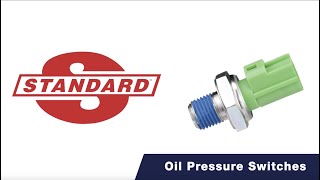
- Standard Ignition (SMP): Widely considered a top-tier aftermarket brand, Standard produces parts in IATF 16949 certified facilities and is known for quality that often meets or exceeds original equipment. They are a reliable choice for a critical sensor 🎬 See how Standard manufactures their high-quality oil pressure switches. like this.
- Rostra Powertrain: Rostra is another quality manufacturer, also with IATF-16949 and ISO-9001 certifications. While well-known for transmission components, they also produce a range of sensors and switches.
- Global Parts: This brand typically falls into the economy or value tier. While more budget-friendly, it may not offer the same long-term durability and precise calibration as premium brands.
Pro Tip: Check the Connector
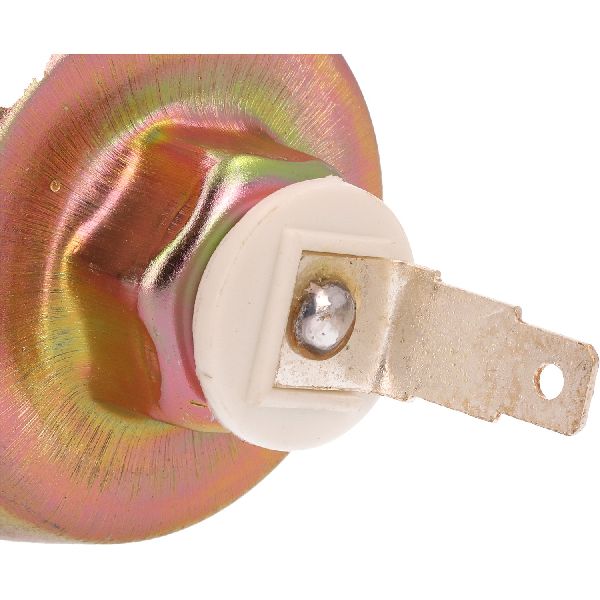
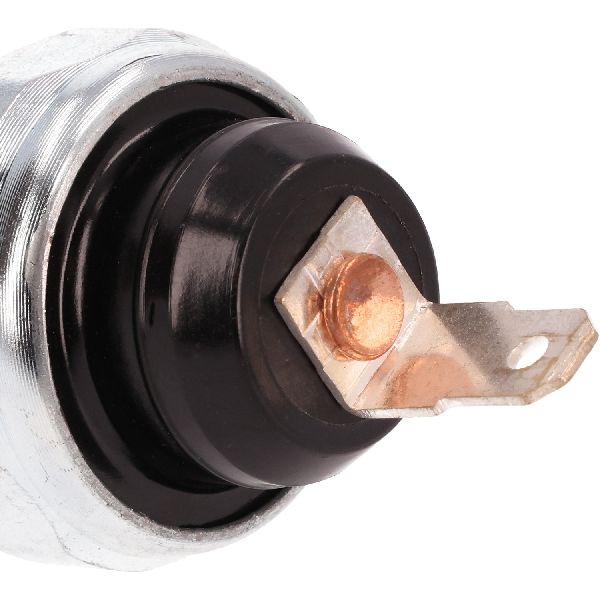
After more than 50 years, the single-wire connector that attaches to the switch can become brittle, corroded, or oil-soaked. When you replace the switch, inspect the connector carefully. Replacing a damaged pigtail connector at the same time can prevent future gauge problems.
| Part Type | Price Range |
|---|---|
| New Aftermarket | $15.89 - $62.07 |
| Shop Labor | $50 - $100 |
| New OEM | Not Available |
Frequently Asked Questions (FAQ)
Where is the oil pressure switch located?
On most Chevrolet small-block engines from this era, the oil pressure switch or sending unit is located at the top rear of the engine block, usually just behind the distributor. You will likely need to remove the air cleaner assembly to see and reach it.
Is this a difficult part to replace myself?
No, this is a very DIY-friendly job with a difficulty rating of 1 out of 5. It usually takes less than an hour. The process involves disconnecting the wire, unscrewing the old switch, applying thread sealant to the new one, and installing it.
Do I need a special tool to replace the oil pressure switch?
A special oil pressure switch socket is highly recommended. These deep sockets are designed to fit over the body of the sensor. While you might manage with a standard deep well socket or a wrench, the correct tool makes the job much easier and prevents damage to the new part.
Are there any recalls for this part?
Due to the age of the vehicle, there are no active recalls or Technical Service Bulletins (TSBs) from the NHTSA for the engine oil pressure switch on a 1967 K20 Panel. Any issues are typically due to normal age and wear.
Helpful Videos
Technical Specifications
The part will be either a switch for an oil warning light or a sending unit for an oil pressure gauge. It is typically located at the top rear of the engine block near the distributor.
We Have This Part in Stock


The information in this article is provided for general reference and educational purposes only. Vehicle specifications, procedures, and part compatibility can vary by production date, trim level, and region. Always consult your vehicle's factory service manual and verify part numbers before purchasing or performing repairs. Safety-critical components such as airbags, seat belts, and braking systems should be installed by a qualified professional.