

Mercury Capri A/C System Valve Core and Cap Kit: A Mechanic's Guide
Leaking A/C service ports are a common and frustrating issue; here’s what you need to know to fix it right.
- A leaking A/C valve core is a very common cause of poor A/C performance in older cars like the Capri.
- The A/C system must be professionally evacuated before replacing the valve cores; this service is the main cost of the repair.
- You must know if your Capri's A/C system uses the original R12 refrigerant or has been converted to R134a to ensure you use the correct parts from the kit.
- Always replace the plastic caps. They are the primary defense against dirt contamination and act as a secondary seal.
Understanding A/C Valve Core & Cap Failures in Your Capri
If your Mercury Capri's air conditioning is blowing warm air, one of the most common and often overlooked culprits is a leaking service port valve core. These small valves, located on the high and low pressure A/C lines, can fail over time. The rubber seals inside them degrade from age, heat, and exposure to chemicals, causing slow refrigerant leaks. Losing the plastic cap also exposes the valve to dirt, which can prevent it from sealing properly after a service. Up to 80% of slow A/C leaks can be traced back to a faulty Schrader valve.
Generational Differences in the Mercury Capri (1966-1994)
The "Mercury Capri" name was used on three distinct generations of cars in North America, and their A/C systems differ:
- 1970-1978 (European Capri): These early models used R12 refrigerant. Finding parts can be challenging, and many have been converted to the newer R134a refrigerant.
- 1979-1986 (Fox Body Capri): Mechanically similar to the Ford Mustang, these cars also started with R12. Many have since been converted to R134a. When ordering a valve core kit, it is critical to know if your system has been converted, as the valve cores and oils are different.
- 1991-1994 (Australian Convertible): These models also came from the factory with R12 refrigerant. Like the Fox Body, conversion to R134a is very common, and you must verify which refrigerant your system uses before buying parts.
Choosing the Right Aftermarket Kit
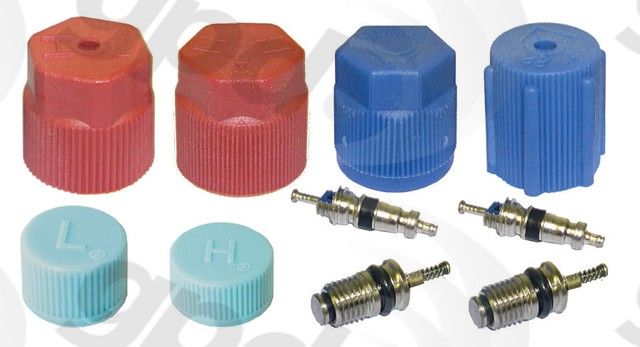
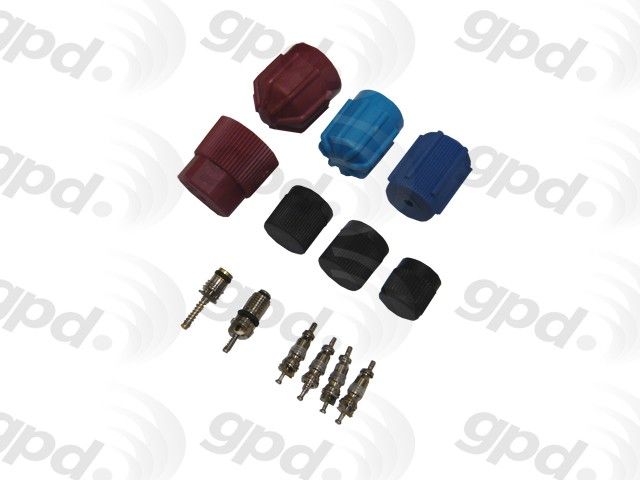
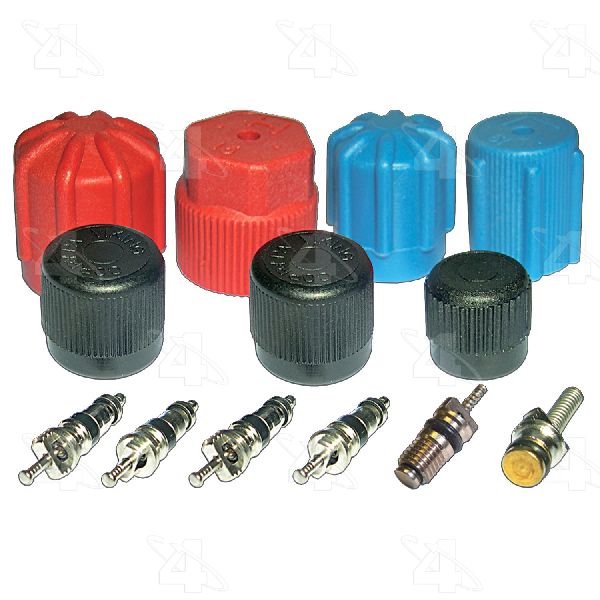
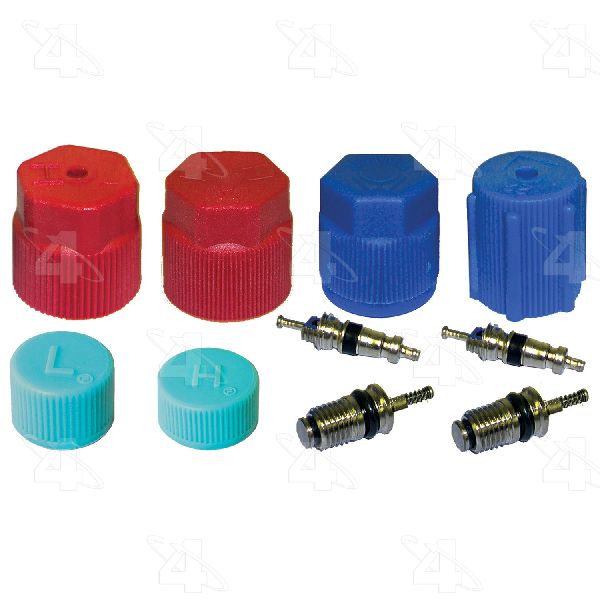
For a part like a valve core and cap, OEM (Original Equipment Manufacturer) parts are generally unavailable or unnecessary. Aftermarket brands provide reliable replacements. The kits available for your Capri often contain an assortment of valve cores and caps because the exact type can vary by year and whether the system was converted from R12 to R134a.
- Four Seasons: A very common and established aftermarket A/C parts brand. While some online discussions mention inconsistent quality on complex rebuilt parts like compressors, their simple service components like valve kits are generally considered reliable for repairs.
- Global Parts (GPD): Another widely available aftermarket brand. Similar to Four Seasons, they are a standard choice for general repairs. For a basic component like a valve core, quality is comparable to other major aftermarket brands.
Cost for A/C Valve Core & Cap Kit Replacement
The cost of the parts is low, but the labor for the A/C service is where the main expense lies. The job requires evacuating the old refrigerant, replacing the valves, vacuum testing the system for leaks, and then recharging with the correct amount of new refrigerant.
| Part/Service | Estimated Cost |
|---|---|
| New Aftermarket Kit | $8 - $24 |
| Shop Labor (Evacuate & Recharge) | $150 - $350 |
| Total Estimated Cost | $158 - $374 |
Frequently Asked Questions (FAQ)
Can I replace the A/C valve core myself?
You can only replace the valve core yourself if the A/C system is completely empty of refrigerant. A shop must legally and safely recover the refrigerant first. Once empty, the core can be unscrewed with a simple Schrader valve tool, similar to a tire valve core tool.
My kit came with several different valves. Which one do I use?
These kits are often universal to fit various models and A/C system types (R12 vs. R134a). The best method is to remove your old valve core and visually match it to the correct one in the new kit.
What's the difference between R12 and R134a valve cores?
While they can look similar, the materials used in the seals are different. R134a systems use seals made of HNBR (Hydrogenated Nitrile Butadiene Rubber) that are compatible with the PAG or POE oils used in those systems. Using the wrong valve type can lead to premature failure and leaks.
Is the cap really that important?
Yes. The cap is the primary seal that keeps dirt and moisture out of the valve. Dirt can jam the valve pin, causing it to leak after being serviced. The cap's seal also acts as a secondary barrier against minor refrigerant leaks from the valve itself.
Technical Specifications
Kit typically includes multiple Schrader valve cores for R12 and R134a systems and service port caps for high and low side ports.
We Have This Part in Stock

The information in this article is provided for general reference and educational purposes only. Vehicle specifications, procedures, and part compatibility can vary by production date, trim level, and region. Always consult your vehicle's factory service manual and verify part numbers before purchasing or performing repairs. Safety-critical components such as airbags, seat belts, and braking systems should be installed by a qualified professional.