

Dodge Charger Voltage Regulator Guide: 1966-1987 Models
Stop flickering lights and protect your classic Charger's electrical system by understanding and choosing the right voltage regulator.
- Upgrade from an original mechanical regulator to a solid-state electronic version for improved reliability.
- A clean, bare-metal ground connection between the regulator case and the firewall is critical for proper function.
- Symptoms like flickering lights can also be caused by old wiring, a bad bulkhead connection, or a poor engine ground, not just the regulator.
- Choose a quality aftermarket brand like Standard Ignition for this part; a cheap regulator can fail and cause expensive damage.
Is Your Charger's Voltage Regulator Failing?
A bad voltage regulator can cause confusing electrical problems. Because these classic cars have simpler systems, the symptoms are often very noticeable. 🎬 Watch: How classic Mopar charging systems work and how to diagnose failures. Watch for these common signs:
- Flickering or Pulsing Lights: Headlights and dash lights that flicker, or get very bright when you rev the engine, are a classic sign. This is often caused by the regulator failing to provide a steady voltage.
- Overcharging: If the regulator fails in a "full-on" state, it can send too much voltage through the system. This can cause headlights and bulbs to burn out quickly, and you might notice the ammeter gauge on your dash stays pegged on the charge (+) side. In severe cases, it can cook your battery, causing it to swell or leak acid.
- Undercharging or No Charging: If the regulator fails to let the alternator charge, your battery will slowly die. The ammeter gauge may show a discharge (-), and eventually, the car won't start.
- Poor Engine Performance: On cars with electronic ignition conversions, an unstable voltage from a failing mechanical regulator can cause the ignition system to perform poorly, leading to surging or stalling.
A Note on Wiring
The wiring on a classic Mopar is over 50 years old. Before replacing the regulator, inspect the wiring, especially the main bulkhead connector on the firewall. Corroded or melted connections at the bulkhead and a bad ammeter gauge can cause the same symptoms as a failed regulator.
🎬 See this walkthrough on testing Mopar charging systems with external regulators.Choosing the Right Aftermarket Regulator
For the 1966-1987 Charger, you have two main types of regulators. Choosing the right one is a significant reliability upgrade.
Mechanical vs. Electronic Regulators
Chargers made before 1970 came from the factory with a mechanical (or points-style) regulator. These work using vibrating contact points to switch the charging on and off. They are prone to failure and don't provide the stable voltage needed for modern upgrades like electronic ignitions.
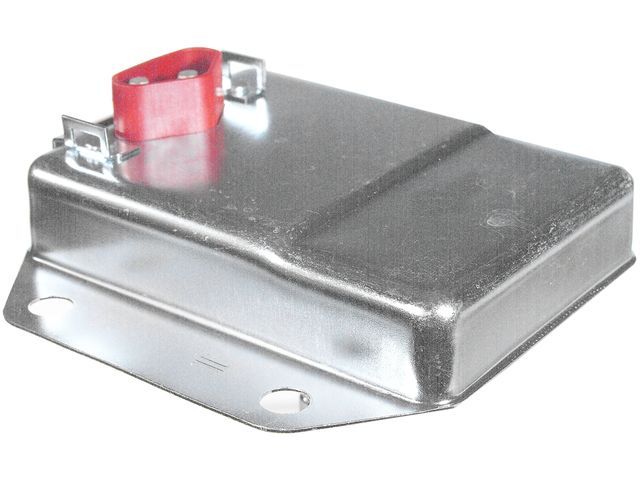
Starting in 1970, Mopar switched to a more reliable solid-state electronic regulator. These have no moving parts and provide a much steadier voltage, making them last longer and work better with all components. Today, most aftermarket replacements, even for pre-1970 cars, are electronic inside, though some are made to look like the original mechanical unit.
Pro Tip: Always Upgrade to Electronic
If you have an original mechanical regulator, you should replace it with a solid-state electronic version. It's a direct-fit upgrade that provides significant reliability benefits, especially if you have or plan to install an electronic ignition. Brands like Standard Ignition offer quality electronic replacements.
Brand Quality: Standard Ignition vs. ACDelco
When shopping for a new regulator, quality matters. A cheap, poorly made part can fail quickly and lead to an overcharge condition that fries your wiring.
- Standard Ignition (Standard Motor Products): This is a well-known and trusted brand in the classic Mopar community. They often offer multiple quality tiers. It is worth spending a little more for their higher-quality, US-made part for better reliability. The Wells VR706, a popular electronic replacement for early models, is a trusted part mentioned frequently by owners.
- ACDelco: While more commonly associated with GM vehicles, ACDelco produces high-quality aftermarket parts for a wide range of cars, including classic Chargers. They are generally considered a reliable professional-grade option, though less discussed in Mopar-specific forums.
Voltage Regulator Replacement Cost
| Part Type | Estimated Cost |
|---|---|
| New Aftermarket (Standard Ignition, ACDelco) | $62.73 - $134.46 |
| Shop Labor | $50 - $100 |
Cost estimates are for the part only and do not include taxes or shipping. Labor costs can vary by location.
Frequently Asked Questions
Can I replace my old mechanical regulator with a new electronic one?
Yes, absolutely. This is the recommended path. You can buy a direct-fit electronic regulator that bolts in the same place and uses the same wiring connector as your original pre-1970 mechanical unit. This is a simple and effective reliability upgrade.
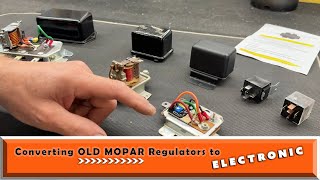
🎬 Watch: How to convert your old Mopar regulator to electronic.Where is the voltage regulator located on my Charger?
On all 1966-1987 Chargers, the voltage regulator is an external unit. You will find it mounted on the firewall in the engine bay, usually on the driver's side. It is a small rectangular box with a wiring harness plugged into it.
Why is a good ground so important for the regulator?
The regulator's metal case must be properly grounded to the firewall for it to work. The regulator controls charging by modulating a ground path. If the mounting screws are rusty or there is paint underneath the regulator, it will have a bad ground and can't regulate voltage, leading to either no-charge or overcharge problems. Always scrape the mounting point to bare metal before installing a new regulator.
My lights still flicker after replacing the regulator. What's next?
If a new, quality regulator doesn't fix the issue, check other parts of the charging system. The most common culprits are a poor ground connection from the engine block to the firewall, corroded wires in the main harness plug (bulkhead connector), or a failing alternator. The original ammeter gauges are also a known weak point and can cause issues.
Helpful Videos

![Mopar Charging System Testing [External Voltage Regulator]](https://img.youtube.com/vi/62YhcrgjA5I/mqdefault.jpg)
Technical Specifications
The primary specification is the style: pre-1970 models use a mechanical-style regulator (often replaced with an electronic equivalent like Wells VR706), while 1970 and later models use a different electronic regulator with a different plug and dual-field alternator wiring.
We Have This Part in Stock


The information in this article is provided for general reference and educational purposes only. Vehicle specifications, procedures, and part compatibility can vary by production date, trim level, and region. Always consult your vehicle's factory service manual and verify part numbers before purchasing or performing repairs. Safety-critical components such as airbags, seat belts, and braking systems should be installed by a qualified professional.