

A Guide to the Voltage Regulator for the 1966-1981 Chrysler Newport
Flickering lights or a dead battery in your classic Newport could point to this simple, but critical, part.
- Chrysler switched from mechanical (pre-1970) to more reliable electronic (1970+) regulators.
- A poor ground connection is the #1 cause of regulator problems; always clean the mounting surface to bare metal.
- Upgrading a 1966-1969 Newport to a modern electronic-style regulator is a highly recommended for reliability.
- Symptoms like flickering lights, a dead battery, or a boiling battery all point towards a failing voltage regulator.
Understanding Your Newport's Voltage Regulator
If you own a 1966 to 1981 Chrysler Newport, your car uses one of two types of external voltage regulators. It's important to know which one your car has. The change happened in the 1970 model year.
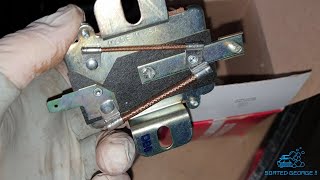
- 1966-1969 Models: These cars came from the factory with a mechanical voltage regulator. It uses a set of vibrating contact points to control the alternator's output. While functional, these are older technology and can be prone to points sticking or burning out over time.
- 1970-1981 Models: These later models use a solid-state electronic voltage regulator. With no moving parts, they are significantly more reliable and provide more stable voltage control than the earlier mechanical style.
Common Symptoms of a Failing Voltage Regulator
A bad voltage regulator can cause a range of frustrating electrical problems. Here’s what to look for:
- Flickering or Dimming Lights: You might notice your headlights and dash lights flicker, or get brighter as you rev the engine and dimmer at idle.
- Battery Problems: A regulator that allows overcharging can "cook" or boil the acid in your battery, causing permanent damage. If it's undercharging, your battery will constantly be weak or dead, and the car may not start.
- Erratic Ammeter Gauge: The factory ammeter on your dashboard may swing wildly or show a constant high charge or discharge.
- Engine Performance Issues: In some cases, unstable voltage can cause the engine to pulse or surge at idle.
The #1 Cause of Failure: A Bad Ground
The most common reason a new voltage regulator fails, or an old one acts up, is a poor ground connection. The regulator must be securely mounted to a clean, bare metal surface on the firewall or inner fender. Any rust, paint, or corrosion can interrupt the ground and cause the regulator to send incorrect voltage, leading to overcharging.
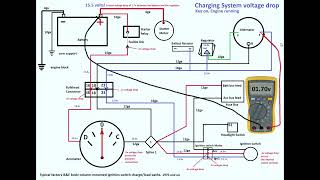
🎬 See how to diagnose over-charging issues at the battery.Choosing the Right Aftermarket Regulator
Since new OEM Mopar regulators for this era are no longer produced, you will be choosing from aftermarket options. Quality here makes a big difference.
Brand Tiers:
- Premium Aftermarket (Standard Ignition): Brands like Standard Ignition are well-regarded in the Mopar community for producing reliable, US-made electronic regulators that are a solid replacement for the original parts. They offer consistent performance and are worth the slightly higher cost to avoid electrical issues.
- Economy Brands: Cheaper, unbranded regulators are available, but can be a gamble. They often fail prematurely, leading to overcharging or undercharging conditions that can leave you stranded or even damage other components.
Pro Tip: Upgrade to Electronic
If you have a 1966-1969 Newport with the original mechanical regulator, it is highly recommended to replace it with a modern, solid-state electronic version. Electronic regulators designed for these earlier models are available and provide a huge leap in reliability and charging stability, especially if you have also upgraded to an electronic ignition.
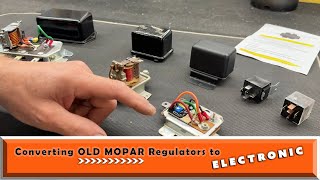
🎬 Watch: How to convert your old mechanical regulator to electronic.| Part Type | Estimated Cost |
|---|---|
| New Aftermarket (Standard Ignition) | $62.73 - $134.46 |
| New Aftermarket (Economy) | $20.00 - $45.00 |
| New Old Stock (NOS) OEM | $100 - $250+ (If found) |
| Shop Labor | $50 - $100 |
Frequently Asked Questions (FAQ)
Where is the voltage regulator located on my Newport?
It is a small, rectangular box typically mounted on the firewall in the engine bay, or sometimes on the inner fender. It will have a wiring connector plugged into it.
Can I replace the voltage regulator myself?
Yes, this is a very easy DIY job. It involves disconnecting the battery, unplugging the wiring connector, removing two mounting screws, and then installing the new one. The entire process usually takes less than 30 minutes.
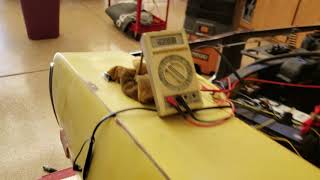
🎬 Watch: A quick test for your electronic voltage regulator system.Why do I need to clean the mounting spot?
The regulator's metal case needs a solid connection to the car's body for a ground. Use sandpaper or a wire brush to clean the area under the regulator down to bare metal before mounting the new part. This ensures it functions correctly and prevents overcharging.
My lights are still flickering after installing a new regulator. What's wrong?
The most likely cause is still a bad ground. Double-check that the mounting surface is clean and the screws are tight. Some owners add a dedicated ground wire from one of the mounting screws directly to the engine block or battery negative terminal to ensure a perfect ground.
Is a more expensive "Mopar Performance" regulator better for my stock Newport?
Not necessarily. The Mopar Performance "chrome box" or constant output regulators are designed for racing applications and hold voltage at a steady 13.5V. For a street-driven car, a quality stock replacement from a brand like Standard Ignition is a better choice for overall battery health and longevity.
Helpful Videos
Technical Specifications
OEM Part Numbers: 2098300 3592899
Externally mounted, 2-pin connector. Mechanical point-style used from 1966-1969. Solid-state electronic style used from 1970-1981.
We Have This Part in Stock


The information in this article is provided for general reference and educational purposes only. Vehicle specifications, procedures, and part compatibility can vary by production date, trim level, and region. Always consult your vehicle's factory service manual and verify part numbers before purchasing or performing repairs. Safety-critical components such as airbags, seat belts, and braking systems should be installed by a qualified professional.