

Dodge Charger Transmission Filter Kit Guide for 1966-1979 Models
Keep your classic Charger's TorqueFlite transmission shifting smoothly with the right filter kit.
- Symptoms like gear slipping, delayed shifts, and whining noises point to a clogged transmission filter.
- For aftermarket parts, Wix is a premium choice, ATP is a solid mid-grade option, and Pioneer is an economy brand.
- Changing the filter is a messy but manageable DIY job; ensure you use the correct gasket for your A727 or A904 transmission.
- A slow gear engagement when cold is a common TorqueFlite trait and not necessarily a sign of a bad filter.
Symptoms of a Failing Transmission Filter
A clogged transmission filter can cause serious problems. If you notice any of these signs, it's time to inspect your transmission system. Ignoring them can lead to expensive transmission damage.
- Delayed or Rough Shifting: The car may hesitate or jerk when you shift from Park to Drive, or between gears while driving. This happens because a clogged filter lowers the hydraulic pressure needed for smooth shifts.
- Slipping Gears: You might feel the engine rev up, but the car doesn't accelerate as it should. This indicates the transmission isn't fully engaging, a dangerous situation that can be caused by restricted fluid flow.
- Whining or Grinding Noises: Unusual sounds from the transmission area, like whining, clunking, or grinding, can signal that the internal parts are not getting enough lubrication due to a blocked filter.
- Fluid Leaks: A clogged filter can cause pressure to build up, forcing fluid past gaskets and seals. If you see red or brown fluid puddles under your Charger, a clogged filter could be the culprit.
- Burning Smell: A distinct burning smell suggests the transmission fluid is overheating. A clogged filter restricts the flow of fluid that cools the transmission, leading to high temperatures and potential damage.
Choosing the Right Aftermarket Filter Kit for Your Charger
For a classic vehicle like the 1966-1979 Charger, the aftermarket is the primary source for parts. Original Mopar parts are rare, but Mopar-licensed reproductions are available and are considered a high-quality benchmark. When choosing an aftermarket kit, quality can vary. Here’s a breakdown of common brands.
Aftermarket Brand Quality Tiers
| Tier | Brands | Notes |
|---|---|---|
| Premium Aftermarket | Wix | Wix is a well-regarded brand known for quality filters. Many classic car owners trust them for reliable performance and fitment. They are often considered a top choice when OEM is not an option. |
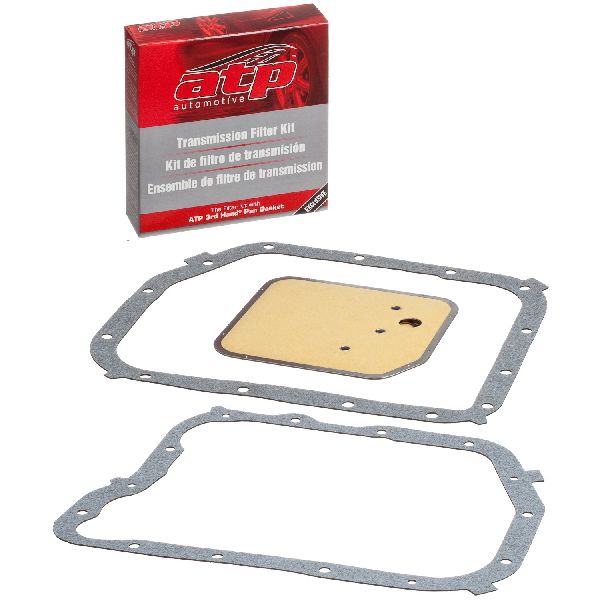
| Standard Aftermarket | ATP | ATP is a widely available and decent quality option. They often include a unique "third hand" gasket that helps hold bolts during installation. However, be sure to inspect the gasket upon opening the box, as some users have reported damage from being folded tightly in the packaging. |
| Economy Aftermarket | Pioneer Cable, Premium Guard | These brands offer a budget-friendly solution. While they will function, they may not have the same material quality or longevity as premium options. They can be a choice for a vehicle that is driven infrequently, but for a daily driver or performance build, a higher-tier brand is recommended. |
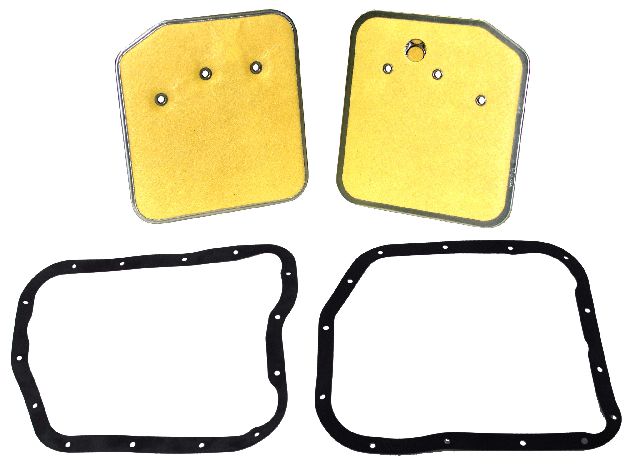
Pro Tip: Many kits for the TorqueFlite transmission come with two different pan gaskets. This is because the A727 (big block) and A904 (small block/slant six) transmissions have different pan shapes. Make sure you use the gasket that matches your transmission pan.
Estimated Costs
The cost to replace your transmission filter kit will vary based on the parts you choose and whether you do the work yourself.
| Item | Estimated Cost |
|---|---|
| New Aftermarket Filter Kit | $17 - $57 |
| New Mopar/NOS Filter Kit | $40 - $100+ |
| Shop Labor | $100 - $200 |
| Transmission Fluid (4-5 qts) | $25 - $45 |
Known Issues & Recalls
There are no active recalls or common Technical Service Bulletins (TSBs) from the manufacturer for the transmission filter kit on the 1966-1979 Dodge Charger. However, a common characteristic of TorqueFlite transmissions is a delay in engaging Drive or Reverse when the engine is cold, especially after sitting for a few days. This is often due to the torque converter draining back and is usually not a sign of a bad filter. To address this, you can shift to Neutral for 20-30 seconds after starting the engine to allow the converter to fill before selecting a gear.
Frequently Asked Questions (FAQ)
How often should I change my Charger's transmission filter?
For a classic car, a good rule of thumb is to change the transmission fluid and filter every 25,000 to 30,000 miles, or every 2-3 years, especially if you drive it hard or it's not a daily driver. If you find debris in the pan, you may need to change it sooner.
What type of transmission fluid should I use?
Most TorqueFlite transmissions from this era use DEXRON/MERCON (ATF+3) or Type F fluid. Always check your vehicle's service manual or a reliable Mopar resource for the correct fluid type for your specific year and transmission. Using the wrong fluid can cause shifting problems.
Is this a difficult job to do myself?
Changing the transmission filter is a messy but relatively simple job for a DIY mechanic. It involves draining the fluid, dropping the transmission pan, replacing the filter, cleaning the pan and magnet, and reinstalling with a new gasket. The main challenges are dealing with the fluid and ensuring the pan bolts are torqued correctly (around 12-13 ft-lbs) in a crisscross pattern to prevent leaks.
Should I use a sealant on the pan gasket?
Most mechanics recommend installing the pan gasket dry, without any sealant. A good quality gasket on clean, flat pan and transmission surfaces should seal perfectly. Using sealant can sometimes cause pieces to break off and clog fluid passages inside the transmission.
Technical Specifications
OEM Part Numbers: 3515996 8121065 8123042
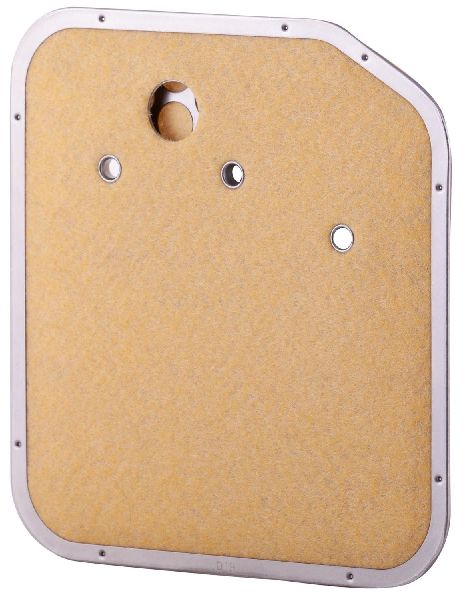
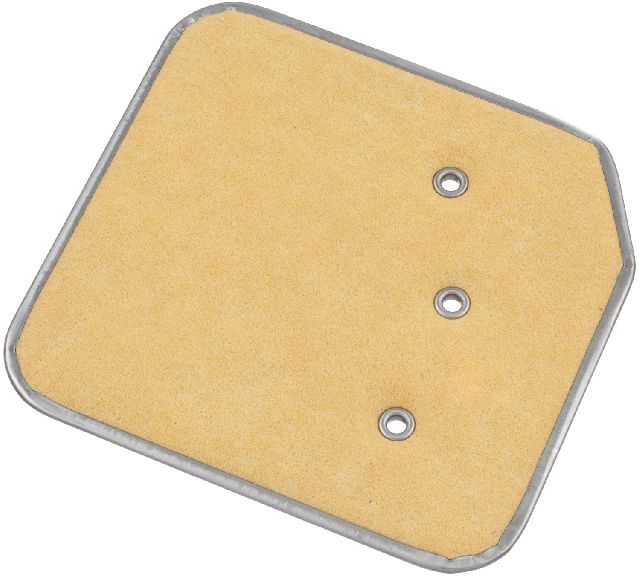
Kits typically include a felt or screen filter and one or more pan gaskets (cork, fiber, or rubber composite). Most 1966-1979 Dodge Chargers use either the A727 or A904 TorqueFlite automatic transmission, which require different pan gaskets.
We Have This Part in Stock


The information in this article is provided for general reference and educational purposes only. Vehicle specifications, procedures, and part compatibility can vary by production date, trim level, and region. Always consult your vehicle's factory service manual and verify part numbers before purchasing or performing repairs. Safety-critical components such as airbags, seat belts, and braking systems should be installed by a qualified professional.