

A Ford Bronco Owner's Guide to Universal Joints (1966-1977)
Address drivetrain clunks and vibrations by choosing the right U-joint for your classic Bronco.
- Prioritize quality brands like Spicer, which was the original supplier, or heavy-duty options like Yukon for the best reliability.
- A clunking noise when shifting into gear is the most common sign of a bad U-joint and should be inspected immediately.
- Confirm your U-joint size before ordering; most Broncos use the 1310 series, but modifications are common.
- If one U-joint is bad, the others on the same driveshaft are likely worn too; replace them as a set for best results.
Is Your Bronco's Drivetrain Making Noise?
A worn-out U-joint is a common problem on any classic 4x4, and the first-generation Bronco is no exception. Because these trucks are rugged and often used for off-roading, their U-joints are put under a lot of stress. Ignoring a bad U-joint can lead to more than just annoying noises; if it fails completely, the driveshaft can disconnect, leaving you stranded and potentially causing major damage to other parts of your truck.
Symptoms of a Failing U-Joint
Listen and feel for these common signs of a bad U-joint:
- Clunking or Popping Noise: The most frequent symptom is a distinct "clunk" or "ping" when you shift from drive to reverse or vice-versa. This is the sound of slack in the worn-out joint being taken up as the driveshaft changes direction.
- Vibration While Driving: A vibration that you can feel through the floor of the truck, which often gets worse at higher speeds, points to a failing U-joint. As the joint wears, it can't hold the driveshaft perfectly centered, causing an imbalance.
- Squeaking Sounds: A repetitive squeak that changes with your speed, especially noticeable when driving slowly, often means the U-joint has lost its grease and the internal needle bearings are failing.
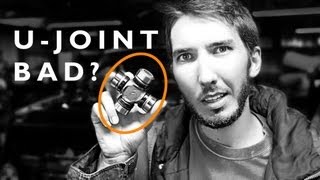
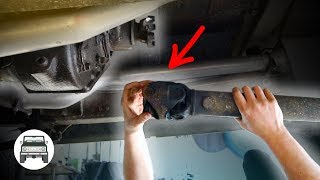
- Visible Rust or Play: If you look under your truck, you might see rust dust around one of the U-joint bearing caps, which indicates it's wearing out. You can also check for play by putting the transmission in neutral (with the vehicle safely secured) and trying to twist the driveshaft back and forth. Any noticeable movement or clunking 🎬 Watch: How to tell if your U-joint is bad in the joint itself means it's time for a replacement.
Choosing the Right Aftermarket U-Joint
For a vehicle like the 1966-1977 Bronco, aftermarket U-joints from a quality brand are often as good as, or even better than, the original factory parts. This is because modern manufacturing and materials can offer improved strength and durability. Here’s a breakdown of available brands to help you choose.
Tier 1: OEM Quality & Heavy-Duty
These brands are highly recommended by Bronco owners and mechanics for their durability and precise fit. They are an excellent choice for any application, from daily driving to serious off-roading.
- Dana Spicer: Spicer was the original equipment manufacturer (OEM) for many Ford drivetrain components, including U-joints. They are widely considered the gold standard for reliability and strength. Many owners will use nothing else. Spicer offers both greasable and non-greasable (sealed) versions.
- Yukon Gear & Axle: Known for high-performance drivetrain parts, Yukon offers heavy-duty U-joints designed to withstand the abuse of large tires and off-road use. These are a top choice if you are building a dedicated trail rig.
- Moog: Moog has a long-standing reputation for quality chassis parts. Their "Super Strength" line is a popular and reliable choice. While some users debate modern Moog quality, they are generally considered a strong option.
Tier 2: Standard Replacement
These brands offer a reliable product for a stock Bronco used for regular driving. They meet or exceed original specifications and are a good value, but may not have the ultimate strength needed for extreme off-road use.
- SKF: A well-known bearing manufacturer, SKF produces quality U-joints that are a dependable choice for standard replacement.
- GMB: GMB is a global manufacturer that produces a wide range of automotive parts, including U-joints that serve as a cost-effective replacement for a daily driven vehicle.
Pro Tip: Greasable vs. Non-Greasable
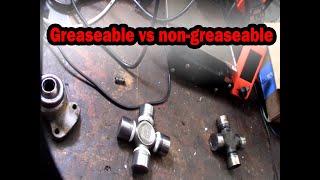
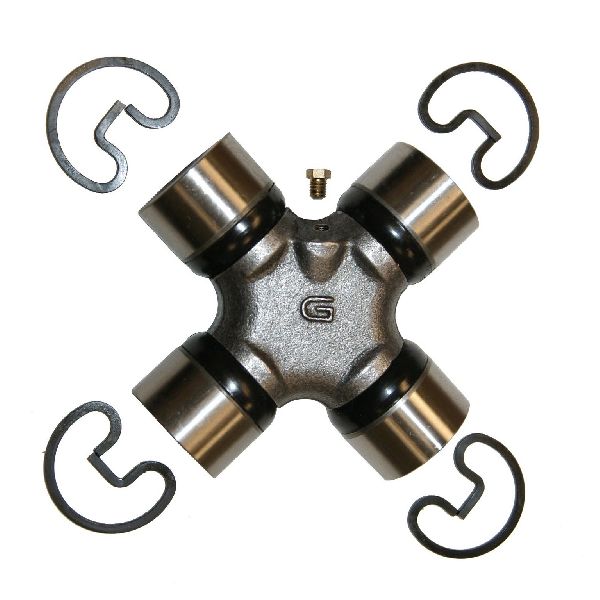
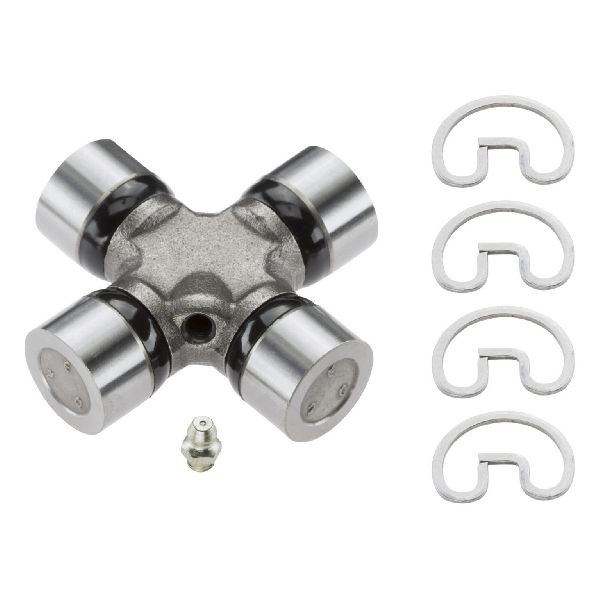
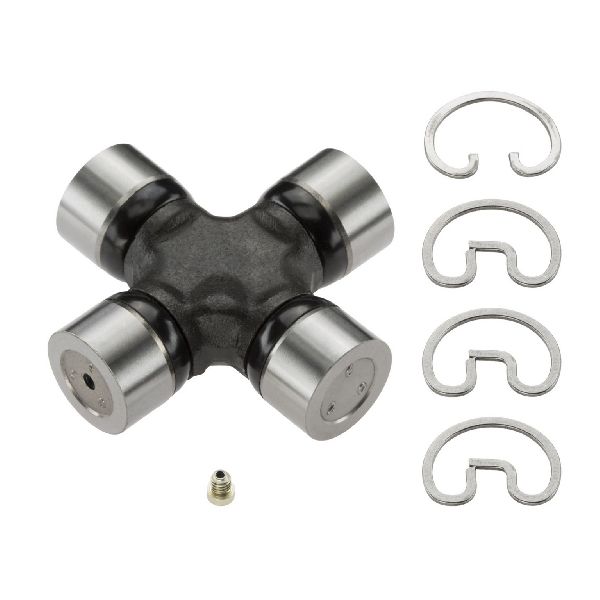
You'll see options for both greasable and non-greasable (sealed) U-joints. Non-greasable joints, like the Spicer "Life Series," are often stronger because the cross body is solid steel. They are maintenance-free and a great "fit-and-forget" option. Greasable joints can have a longer service life if they are regularly maintained with quality grease, which pushes out contaminants. For a Bronco that sees a lot of mud and water, greasable joints allow you to keep them clean and lubricated.
🎬 See the pros and cons of greasable vs non-greasable jointsCommon Ordering Mistakes
The most common mistake is ordering the wrong size U-joint. While most 1966-1977 Broncos use a 1310 series U-joint for the driveshafts, Ford did use different suppliers over the years. Furthermore, many of these trucks have had their axles or driveshafts swapped. It is critical to measure your existing U-joints (cap diameter and overall width) before ordering. The front axle shafts use a different, smaller U-joint (often a Spicer 5-260X or equivalent) than the driveshafts. Always confirm which part you are replacing.
| Part Type | Price Range |
|---|---|
| New Aftermarket (Standard) | $19.01 - $45.00 |
| New Aftermarket (Heavy-Duty/Premium) | $45.00 - $107.89 |
| Shop Labor (per driveshaft) | $120 - $250 |
Frequently Asked Questions
How many U-joints does my Bronco have?
Your Bronco has multiple U-joints. Typically, there are two on the rear driveshaft and two or three on the front driveshaft (depending on if it has a double-cardan joint at the transfer case). There is also one U-joint on each front axle shaft, for a total of 6 to 7 U-joints on the entire vehicle.
Should I replace all the U-joints at once?
If one U-joint has failed due to age and mileage, the others are likely not far behind. It is good practice to at least replace all the U-joints on the same driveshaft at the same time. This also gives you a chance to have the driveshaft balanced, which ensures a smooth, vibration-free ride.
Is replacing a U-joint a DIY job?
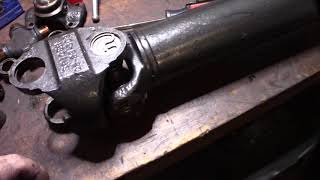
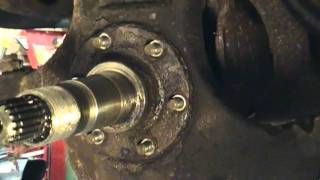
Yes, for someone with moderate mechanical skill and the right tools. Replacing driveshaft U-joints requires removing the driveshaft and using a heavy-duty vise, a ball joint press, or a hammer and sockets to press the old joints out and the new ones in. Replacing the front axle U-joints is more involved, as it requires removing the wheels, brakes, hubs, and pulling the axle shafts out of the axle housing.
Were there any recalls on Bronco U-joints?
No, there have been no official recalls or Technical Service Bulletins (TSBs) issued by Ford or the NHTSA for universal joints on the 1966-1977 Ford Bronco. Any failures are due to normal wear and tear over the vehicle's long life.
Helpful Videos
Technical Specifications
The most common driveshaft U-joint is the 1310 series, which has a cap diameter of 1.062 inches (1 1/16") and a width of 3.219 inches. The front axle shafts use a smaller U-joint, such as the Spicer 5-260X, which also has a 1.062-inch cap but a different width. Always measure to confirm, as some vehicles may have been modified with 1330 or 1350 series joints.
We Have This Part in Stock
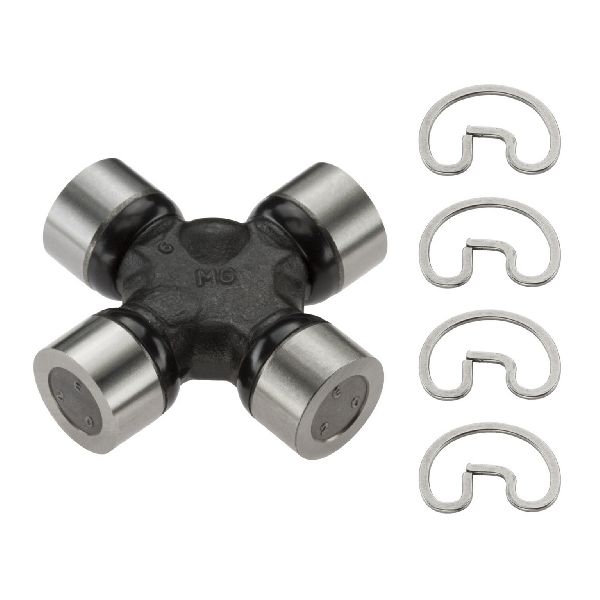
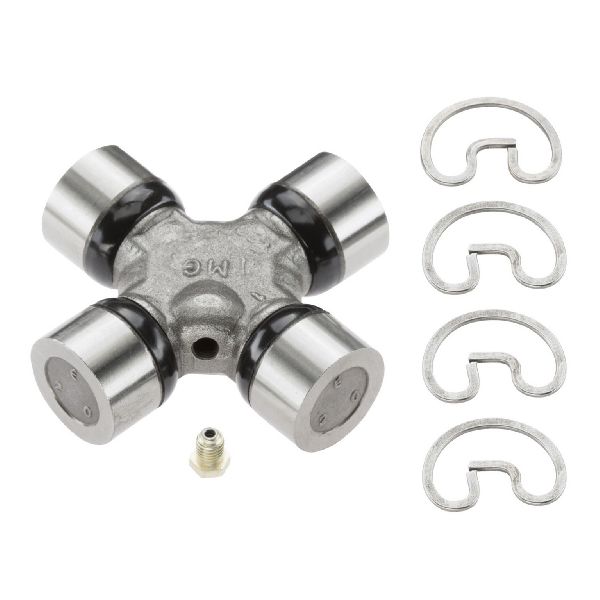
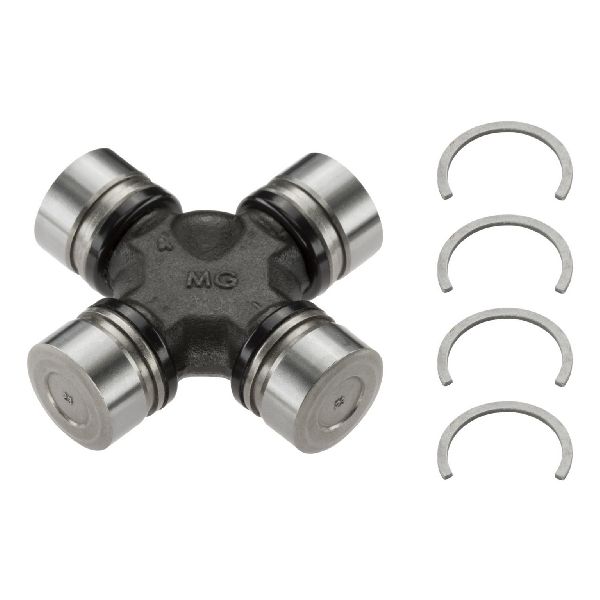

The information in this article is provided for general reference and educational purposes only. Vehicle specifications, procedures, and part compatibility can vary by production date, trim level, and region. Always consult your vehicle's factory service manual and verify part numbers before purchasing or performing repairs. Safety-critical components such as airbags, seat belts, and braking systems should be installed by a qualified professional.