

Chevrolet Caprice Wheel Bearing and Race Set Guide: 1966-1977
Get the facts on replacing the wheel bearings on your classic 1966-1977 Chevrolet Caprice to ensure a safe and smooth ride.
- For this classic car, always choose a quality aftermarket brand like Timken or NSK, as original GM parts are no longer produced.
- Properly packing the new tapered bearings with high-temperature grease is the most critical step for a long-lasting repair.
- Always replace wheel bearings in pairs on the same axle (both fronts or both rears) to ensure safety and even wear.
- Listen for humming or grinding noises that change with speed, as this is the earliest and most common sign of a failing bearing.
Understanding Wheel Bearing Failure in Your Classic Caprice
The wheel bearings on a 1966-1977 Chevrolet Caprice are a classic tapered roller bearing design. Unlike modern cars with sealed hub units, these bearings require periodic maintenance and are susceptible to wear from age, moisture, and heat. When they start to fail, the friction increases, which can cause a range of problems. The most common reason for failure on these classic cars is simply age and the breakdown of the grease that lubricates them.
Symptoms of a Bad Wheel Bearing
A failing wheel bearing isn't something to ignore. The symptoms usually start small and get worse. Listen and feel for these common signs:
- Humming or Grinding Noise: The most common sign is a rumbling, humming, or grinding noise that gets louder as you drive faster. The sound may change or get louder when you turn the steering wheel.
- Loose Steering: Your steering might feel less responsive or 'loose'. This is caused by extra play in the wheel assembly from the worn bearing.
- Vibration: You may feel a vibration in the steering wheel that changes with speed.
- Uneven Tire Wear: A bad bearing can cause the wheel to sit at a slight angle, leading to faster wear on the inside edge of the tire.
Safety First
A completely failed wheel bearing is a critical safety issue. In a worst-case scenario, the wheel could seize up or even detach from the vehicle while driving. If you suspect a bad wheel bearing, have it inspected immediately.
Choosing the Right Aftermarket Wheel Bearing Set
For a vehicle from the 1966-1977 era, original GM parts are not readily available. You will be choosing from aftermarket brands. Quality modern aftermarket parts often meet or exceed the original specifications from the 1970s. Here’s a breakdown of available brands based on quality and reputation:
Tier 1: Premium Quality
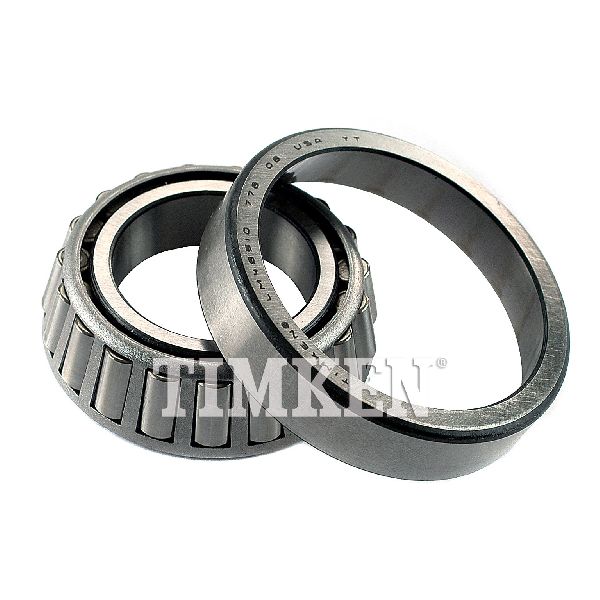
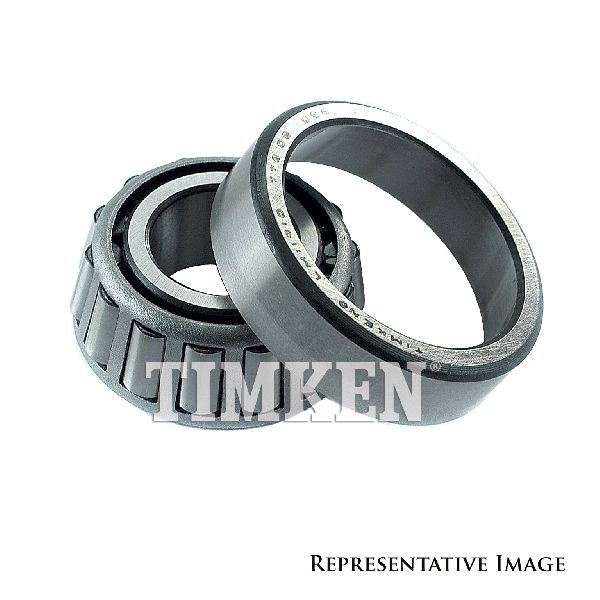
- Timken: A globally recognized brand with a long history of making high-quality bearings. Timken is often considered a top-tier choice for durability and reliability, making them an excellent option for your Caprice.
- NSK: A major Japanese manufacturer known for precision engineering. NSK bearings are considered OEM-quality and are a trusted choice for a long-lasting repair.
Tier 2: Quality Aftermarket
- National Bearing: A well-regarded aftermarket brand that offers a good balance of quality and price. They are a solid, reliable choice for daily drivers and restorations.
Tier 3: Economy
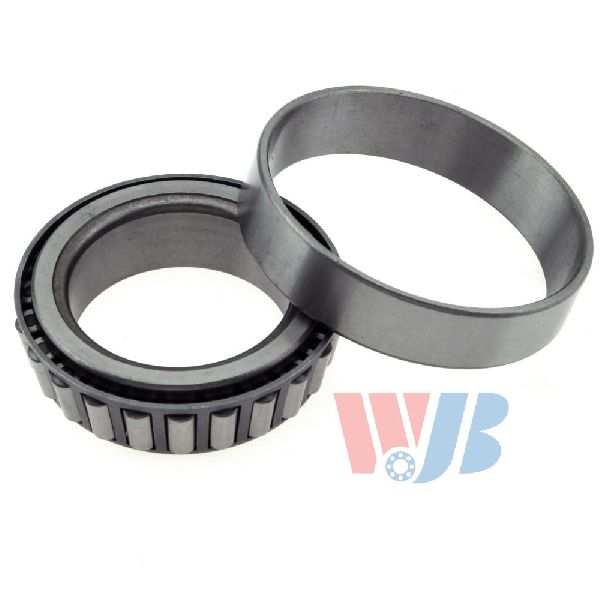
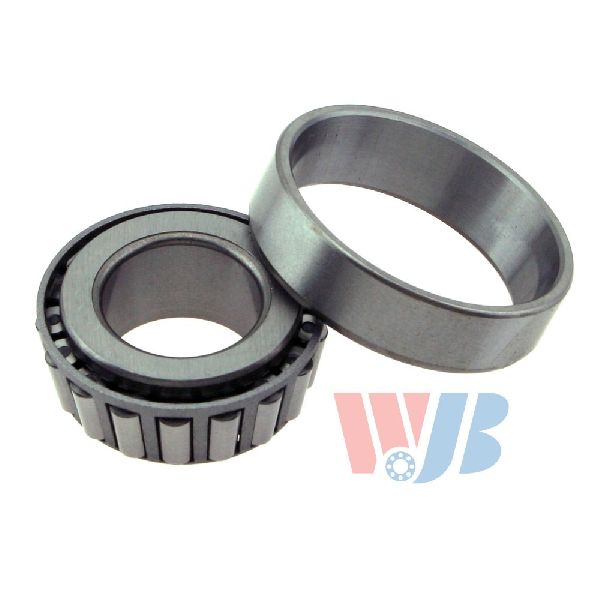
- WJB: This brand offers a budget-friendly option. While they meet basic requirements, they may not have the same longevity or manufacturing precision as premium brands. They are a viable choice for less-driven vehicles or when budget is the primary concern.
Pro Tip: Replace in Pairs
It is highly recommended to replace wheel bearings in pairs (both front wheels or both rear wheels at the same time). If one side has failed due to age and mileage, the other side is likely not far behind. This ensures even performance and prevents you from having to do the same job twice in short order.
Estimated Replacement Costs
The cost can vary based on your location and the shop's labor rate. The parts themselves are not expensive, but the labor requires specific knowledge.
| Part/Service | Estimated Cost |
|---|---|
| New Aftermarket Wheel Bearing & Race Set (per wheel) | $8.36 - $72.82 |
| Shop Labor (per wheel) | $120 - $250 |
| Total Estimated Cost (per wheel) | $128 - $323 |
Cost estimates are for one wheel. Labor costs can vary significantly based on shop rates.
Frequently Asked Questions (FAQ)
Do I need special tools to replace my Caprice's wheel bearings?
Yes. For a 1966-1977 Caprice, you will need tools to remove the old bearing race and install the new one without damaging it, such as a bearing race and seal driver set. You will also need high-temperature wheel bearing grease and know the proper technique for packing the new bearings by hand. This is a critical step that is not required for modern sealed bearings.
What is the difference between an inner and outer bearing?
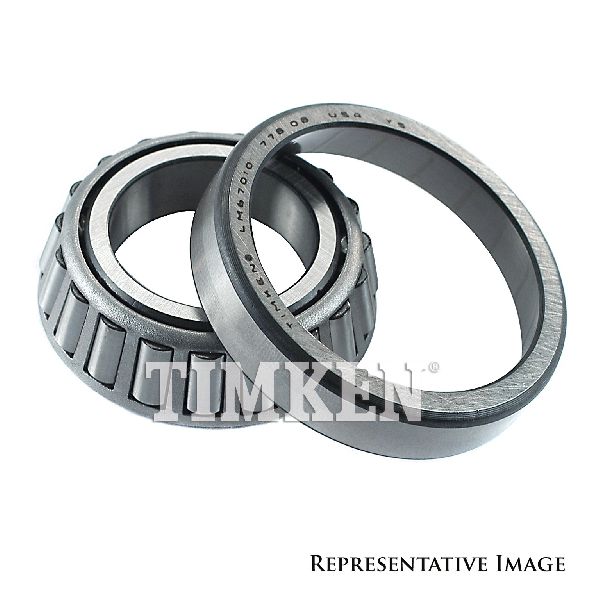
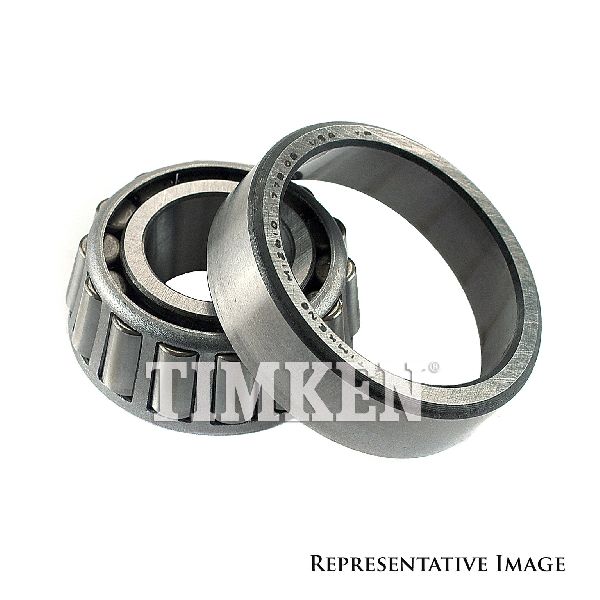
Your Caprice's front wheels use two separate bearings on each side: a larger 'inner' bearing closer to the engine and a smaller 'outer' bearing. When replacing them, you should always replace both, along with their corresponding races and the grease seal.
Are there any recalls for 1966-1977 Caprice wheel bearings?
No. Searches of the National Highway Traffic Safety Administration (NHTSA) database show no recalls or technical service bulletins (TSBs) related to wheel bearings for the 1966-1977 Chevrolet Caprice model years. Any failure today is due to normal wear and age.
Can I reuse my old bearing race?
No. The bearing and race are designed to wear together. Always install the new race that comes with your new wheel bearing set. Installing a new bearing on an old race will cause premature failure of the new part.
Technical Specifications
The 1966-1977 Chevrolet Caprice uses a tapered roller bearing design for the front wheels, which consists of a separate inner bearing, outer bearing, and corresponding races that must be pressed into the hub. Part numbers vary based on the specific year and whether the vehicle is equipped with front drum or disc brakes. Always verify the correct parts for your specific configuration.
We Have This Part in Stock

The information in this article is provided for general reference and educational purposes only. Vehicle specifications, procedures, and part compatibility can vary by production date, trim level, and region. Always consult your vehicle's factory service manual and verify part numbers before purchasing or performing repairs. Safety-critical components such as airbags, seat belts, and braking systems should be installed by a qualified professional.