

Chrysler Imperial Engine Oil Pressure Switch Guide: 1966-1976
Understanding the oil pressure switch in your classic Imperial and choosing the right replacement.
- Verify if your Imperial needs a switch (for a light) or a sender (for a gauge), as some models used both.
- A faulty switch is a common cause of oil light issues on these cars; it's a good first part to replace.
- The switch is located at the top rear of the engine, near the firewall, and can be difficult to access.
- Never assume an oil light is a false alarm; always check the oil level immediately.
Is it a Switch or a Sender?
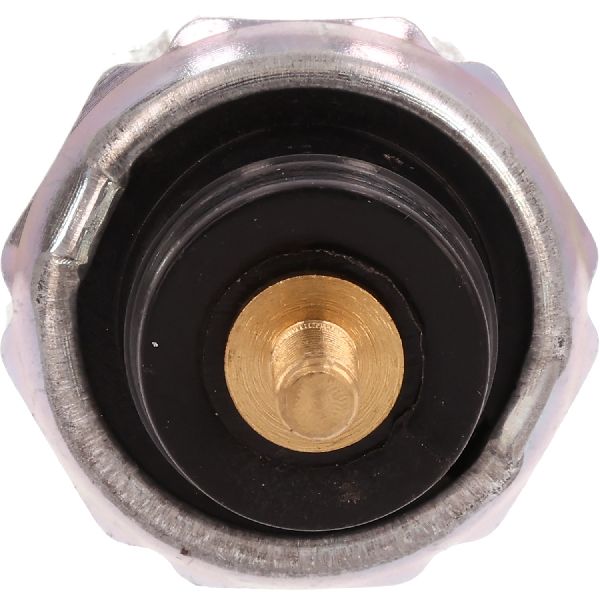
On a 1966-1976 Chrysler Imperial, you might have one or two devices for monitoring oil pressure, depending on your car's specific dashboard configuration. A simple 'switch' is used to turn on a warning light. A larger, bell-shaped 'sending unit' is used to operate an analog oil pressure gauge. Some Imperials used both. It is crucial to identify which part you need to replace before ordering.
Common Failure Symptoms
A failing oil pressure switch often causes more panic than actual engine trouble, but you should never ignore the signs. The most common issue is a faulty reading due to age. Look for these symptoms:
- Flickering Oil Light: The oil pressure light on the dash may flicker, especially at idle or during turns.
- Gauge Reads Zero or Erratically: If you have a pressure gauge, a bad sender can cause it to drop to zero suddenly or bounce around.
- Warning Light Stays On: The light may stay illuminated even after you've confirmed the oil level is correct.
- Oil Leaks: The plastic housing of the switch can crack with age, causing a slow oil leak from the top rear of the engine.
Never Ignore a Low Oil Pressure Warning
If your oil light comes on, stop the engine as soon as it is safe to do so. Check your oil level. While the problem is often just a bad sensor on these classic cars, the risk of severe engine damage from actual low oil pressure is too high to ignore.
Choosing the Right Aftermarket Part
For a vehicle of this vintage, new OEM (Original Equipment Manufacturer) parts are generally unavailable. The aftermarket is your primary source. Quality can vary, so it's helpful to think of brands in tiers.
| Brand Tier | Brands | Quality & Performance Assessment |
|---|---|---|
| Better (Tier 1) | Standard Ignition (SMP) | Standard Motor Products is a well-regarded manufacturer with a long history of producing reliable electronic parts for professional technicians. They often use high-quality materials like high-temperature diaphragms and perform 100% testing on their components. This is a trusted choice for durability. |
| Good (Tier 2) | Rostra Powertrain | Rostra has experience as both an OE and aftermarket supplier and holds key quality certifications like IATF-16949. They produce a wide range of electronic components and are a solid, reliable option for most owners. |
| Economy (Tier 3) | Global Parts | This brand typically represents the most budget-friendly option. Reviews and brand reputation are mixed and can be difficult to verify for specific parts. It may be suitable for a car that is driven infrequently, but for peace of mind, a higher-tier brand is recommended for this critical sensor. |
Known Issues, Recalls, or TSBs
There are no specific recalls or Technical Service Bulletins (TSBs) from the NHTSA related to the engine oil pressure switch for the 1966-1976 Chrysler Imperial. Any issues are typically due to the age and normal wear of the component.
Pro Tip: Installation Location
On the big-block Mopar engines (like the 440 V8) used in these Imperials, the oil pressure switch is located on the top of the engine block at the very back, near the distributor and firewall. It can be difficult to see and reach. You will likely need a special deep-well socket, often called an oil pressure switch socket, to remove and install it without damaging the new part.
Frequently Asked Questions (FAQ)
Can I still drive my Imperial with a bad oil pressure switch?
It is not recommended. While the engine may be perfectly fine, a faulty switch means you have no way of knowing if a real, catastrophic oil pressure problem occurs. The part is inexpensive enough that replacement should not be delayed.
How difficult is it to replace the oil pressure switch myself?
The job is mechanically simple but can be difficult due to the part's location. It involves unplugging a wire and unscrewing the old switch. However, reaching it at the back of the engine bay can be challenging. It is a feasible DIY task for those with patience and basic tools.
Do I need a special tool to replace the oil pressure switch?
Yes, a special socket designed for oil pressure switches is highly recommended. These sockets are deep and designed to fit over the body of the switch. Using the wrong tool, like pliers, can easily damage the new switch during installation.
Why does my Imperial have two oil pressure sending units?
Some higher-trim Imperials had both a warning light and a functional oil pressure gauge. These systems required two separate sending units: a small one for the on/off light and a larger one to provide a variable signal to the gauge. Check your specific setup before ordering.
Technical Specifications
Location: Top rear of engine block, near distributor. Socket Type: Requires a specialized deep-well oil pressure switch socket.
We Have This Part in Stock


The information in this article is provided for general reference and educational purposes only. Vehicle specifications, procedures, and part compatibility can vary by production date, trim level, and region. Always consult your vehicle's factory service manual and verify part numbers before purchasing or performing repairs. Safety-critical components such as airbags, seat belts, and braking systems should be installed by a qualified professional.