

A Practical Guide to the Ignition Coil for the 1966-1973 Saab 95
Everything a Saab 95 owner needs to know about choosing and replacing their classic V4 ignition coil.
- A failing ignition coil on a Saab 95 often causes the engine to cut out when hot or fail to start at all.
- Before replacing the coil, inspect cheaper components like the condenser and distributor cap, which can cause similar symptoms.
- If you have an electronic ignition, ensure your new coil has the correct primary resistance recommended by the manufacturer to avoid damage.
- For a stock vehicle, a quality aftermarket coil from a brand like NGK or Standard Ignition is a reliable and effective replacement.
Understanding the Ignition Coil in Your Vintage Saab
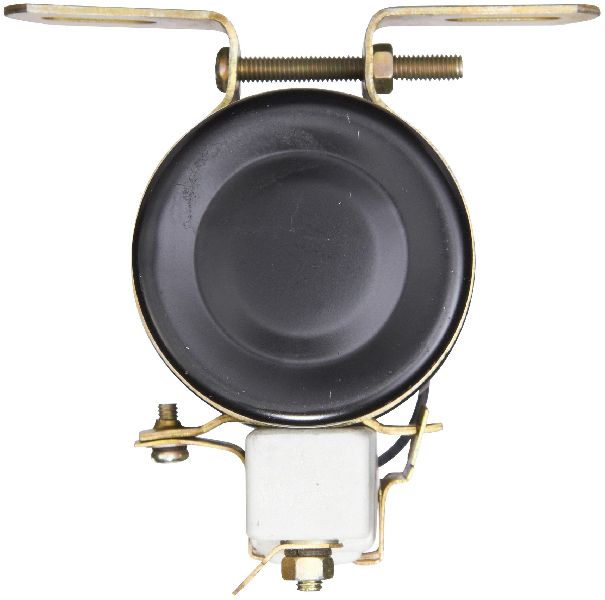
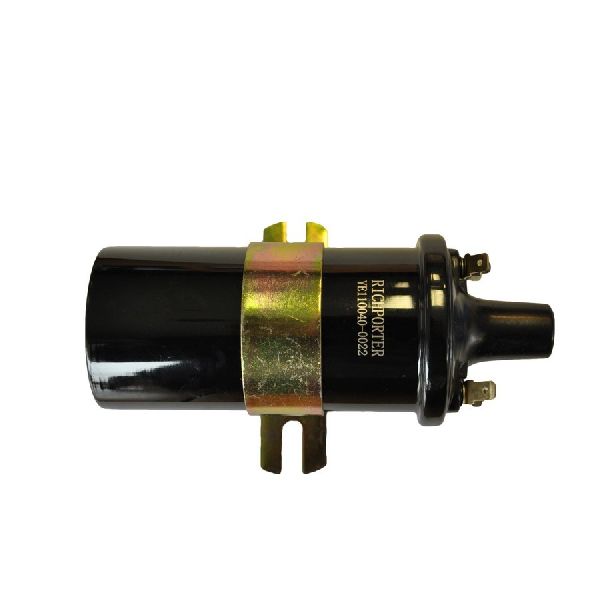
The ignition coil on the 1966-1973 Saab 95 is a classic, canister-style component. Unlike modern cars that have individual coils for each spark plug, your Saab V4 engine uses a single coil for the entire ignition system. This makes diagnosis and replacement relatively simple. When this coil fails, it can cause a range of problems from poor running to leaving you stranded. A failing coil often starts with intermittent issues, such as cutting out when the engine gets hot, before failing completely.
Symptoms of a Failing Ignition Coil
A bad ignition coil on a Saab 95 can mimic other ignition system problems. Owners often report a few common symptoms when the coil is on its way out:
- No-Start Condition: The engine cranks but never fires up. This can happen if the coil has failed completely and isn't producing any spark.
- Engine Cuts Out When Hot: The car runs fine when cold, but after driving for a while, the engine suddenly dies. After cooling down, it might start again. This is a classic sign of an ignition coil's internal windings failing under heat.
- Weak Spark: If you test for spark and see a faint, yellow or orange spark instead of a bright, blueish-white one, the coil may not be producing enough voltage.
- Rough Idle and Misfires: An inconsistent spark can cause the engine to run poorly, shake at idle, and hesitate during acceleration.
- Backfiring: Unburnt fuel can pass through the cylinders and ignite in the hot exhaust manifold, causing a backfire.
Choosing the Right Aftermarket Ignition Coil
Finding a "new old stock" (NOS) or original Bosch coil for this car is difficult and often unnecessary. The aftermarket provides several good options that meet or exceed original specifications. When choosing, quality is key, as these simple ignition systems are sensitive to weak components.
Here’s a breakdown of the available brands:
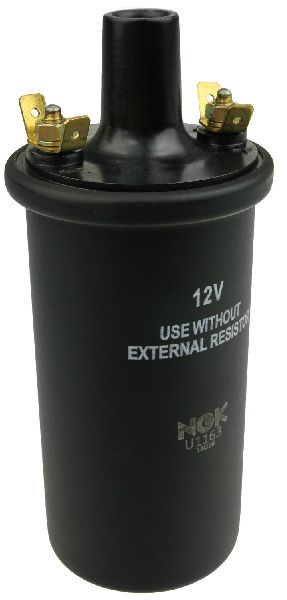
- Premium Brands (NGK, Standard Ignition): Brands like NGK and Standard Ignition have a strong reputation for producing reliable ignition components. NGK is a well-regarded name in the industry, known for quality that often rivals original parts. Standard Ignition (and their performance-oriented Blue Streak line) often engineers their parts to improve upon original designs. For a stock or slightly modified car, these brands are a dependable choice.
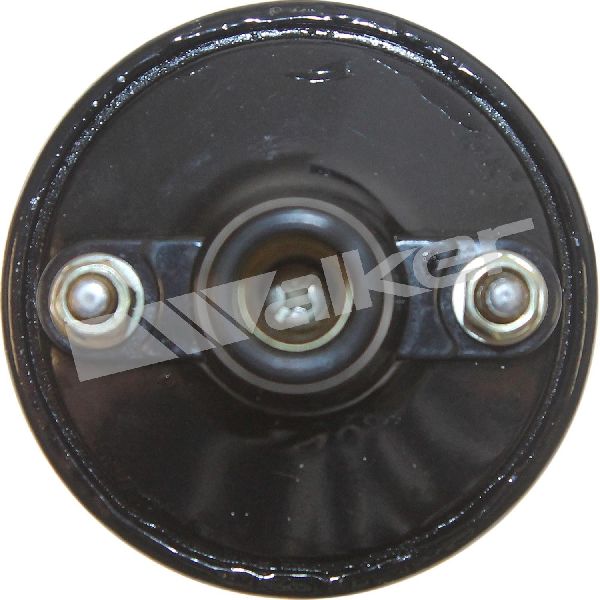
- Standard Aftermarket (Spectra, Walker, Holstein): These brands offer a balance of quality and value. They are designed to be direct OE replacements and are a good option for daily drivers and budget-conscious restorations. They manufacture a wide range of parts and generally meet OE form, fit, and function.
- Value-Oriented (Global Parts, WAI Global): These brands typically offer the most budget-friendly options. While functional, they may not have the same level of material quality or long-term durability as premium brands.
Aftermarket Ignition Coil Cost for 1966-1973 Saab 95
| Part Type | Estimated Cost |
|---|---|
| New Aftermarket Ignition Coil | $27 - $43 |
| Shop Labor for Installation | $60 - $100 |
Cost estimates are for the part only and do not include shop labor. Labor costs can vary significantly by location.
Frequently Asked Questions
Is replacing the ignition coil a difficult job?
No, this is a very easy job for a DIYer. It typically involves disconnecting the battery, labeling and removing two or three small wires, and unbolting a single bracket. The entire process usually takes less than 20 minutes with basic hand tools.
Do I need a special tool to replace the coil?
No special tools are required. A simple set of wrenches or sockets to remove the coil bracket and potentially a screwdriver for the wire terminals are all that's needed.
My new coil gets very hot to the touch. Is this normal?
Ignition coils can get warm during normal operation, but if it's too hot to touch comfortably, it could be a sign of a problem. This might indicate you have the wrong type of coil for your application (e.g., a coil that requires an external ballast resistor when you don't have one) or an issue with your wiring. Some owners in forums have noted this issue when using incompatible coils.
Are there any recalls for the Saab 95 ignition coil?
No. There are no recalls or technical service bulletins (TSBs) from NHTSA related to the ignition coil for the 1966-1973 Saab 95. Any recalls you find for a "Saab 9-5" will be for the much newer models (1999 and later) which use a completely different ignition system.
Technical Specifications
OEM Part Numbers: 0221119027 0221119026 0221102068
Cylindrical, oil-filled or epoxy-filled canister. Typically requires a coil with a primary resistance of ~3.0 ohms for electronic ignition conversions, but check with your ignition system manufacturer. Stock points systems may use a coil with lower resistance in conjunction with a ballast resistor.
We Have This Part in Stock


The information in this article is provided for general reference and educational purposes only. Vehicle specifications, procedures, and part compatibility can vary by production date, trim level, and region. Always consult your vehicle's factory service manual and verify part numbers before purchasing or performing repairs. Safety-critical components such as airbags, seat belts, and braking systems should be installed by a qualified professional.