

Ford P-Series Van Accessory Drive Belts (1966-1973): A Complete V-Belt Guide
Keep your classic Ford P-100, P-350, or other P-Series step van running reliably by understanding its V-belt system.
- Your 1966-1973 P-Series van uses multiple V-belts, not a single serpentine belt.
- The number and size of belts depend entirely on your engine and factory-installed options like A/C or power steering.
- Squealing is the most common warning sign, usually indicating a loose or worn belt that needs attention.
- High-quality aftermarket brands like Gates, Dayco, and Continental are excellent choices; correct size and tension are more critical than brand.
- Never over-tighten a new V-belt, as it can cause expensive damage to your accessory bearings.
Is Your P-100 a Van or a Pickup?
First, let's clarify the vehicle. This guide is for the North American Ford P-Series parcel delivery van chassis, often called a 'step van', sold from 1966 to 1973. It is not for the smaller, car-based Ford P100 pickup truck sold in Europe and South Africa, which is a different vehicle. P-Series vans were commonly built on P-100, P-350, or larger chassis and used engines shared with the F-Series trucks of the era, like the 240 or 300 inline-6.
V-Belts vs. Modern Serpentine Belts
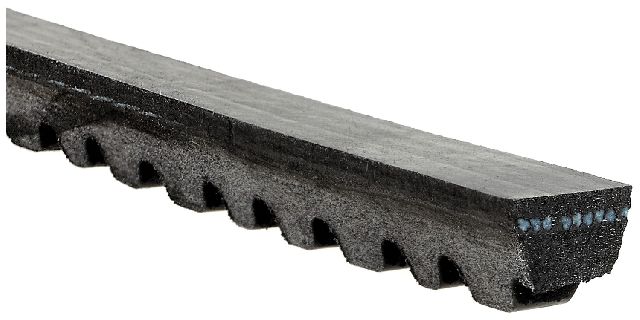
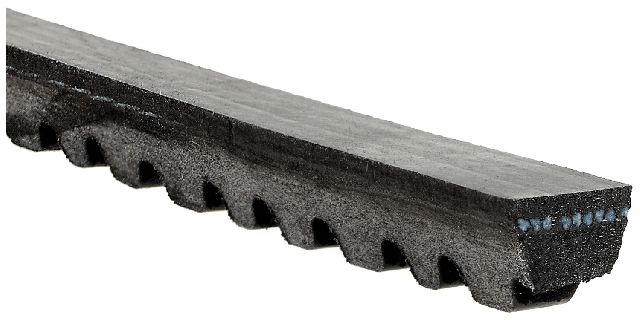
Your classic Ford uses a system of multiple, individual V-belts. This is different from modern vehicles that use a single, flat, ribbed 'serpentine' belt. Each accessory—or a small group of them—gets its own belt. This means you could have two, three, or even four belts depending on your engine and options. When one belt fails, you might only lose one function, but since the water pump and alternator are often on the same belt, any failure is serious.
Symptoms of a Failing V-Belt
Listen to your truck; it will tell you when a belt is having problems. Ignoring these signs can leave you stranded.
- Squealing Sounds: A loud squeal, especially on startup or when accelerating, is the most common sign of a worn or loose belt slipping on a pulley.
- Visible Wear: Look at the belts. If you see cracks, deep grooves, frayed edges, or a shiny, 'glazed' surface, the belt is old and needs to be replaced.
- Overheating Engine: If the belt driving the water pump snaps or is too loose, the pump won't circulate coolant. Your temperature gauge will climb rapidly, which can cause severe engine damage.
- Dim Lights or Dead Battery: The alternator belt provides power to charge the battery. If this belt fails, your battery light may come on, and the vehicle will run only on battery power until it dies.
No Known Recalls or TSBs
Searches of the National Highway Traffic Safety Administration (NHTSA) database and other records found no recalls or technical service bulletins (TSBs) related to accessory drive belts for the 1966-1973 Ford P-Series vans.
Choosing the Right Aftermarket Belts
For a vehicle this age, 'New Old Stock' (NOS) OEM Ford belts are not practical. They are hard to find and the rubber may have degraded over time. High-quality aftermarket brands are your best choice, and they were likely the original suppliers to Ford. You cannot go wrong with any of the top brands.
| Brand | Assessment |
|---|---|
| Gates | Often considered the top choice by professional mechanics and enthusiasts. Known for durability and high-quality construction. An excellent, reliable option. |
| Dayco | A major OEM supplier with a strong reputation. Their belts are known to be high quality and reliable. Some find them slightly more flexible, which can sometimes ease installation. |
| Continental | Another top-tier OEM supplier. Continental belts are known for quiet operation and excellent quality. Their designs can sometimes help quiet a drive system that has a very minor pulley misalignment. |
The Most Important Factor: Size and Tension
With V-belts, choosing a top brand is less important than getting the correct size (length and width) and setting the proper tension. A belt that is too loose will slip and squeal, while a belt that is too tight can destroy the bearings in your alternator, water pump, or power steering pump. Always check for proper fitment based on your specific engine and accessory combination.
Frequently Asked Questions (FAQ)
How many belts does my P-Series van have?
It depends on your engine and options. A base model with an inline-6 engine might only have one or two belts. A V8 with power steering and air conditioning could have three or four. You must visually inspect your specific vehicle to know for sure.
What's the difference between a V-belt and a serpentine belt?
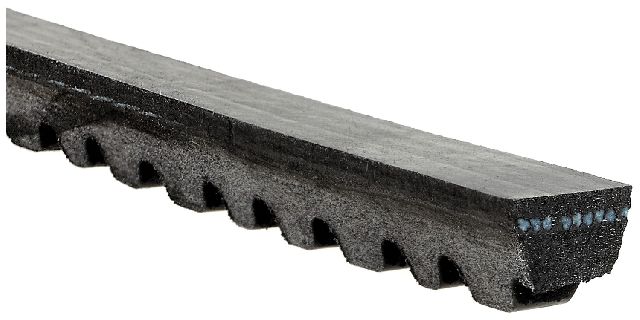
A V-belt has a trapezoidal or 'V' shape and fits into a V-shaped groove in the pulley. Your truck uses several of them. A serpentine belt is a single, wide, flat belt with multiple small ribs that drives all accessories at once. Serpentine systems became common in the 1980s and 90s.
How do I know if the belt is tight enough?
Unlike modern cars with automatic tensioners, you must tension V-belts manually. A general rule of thumb is that at the midpoint of its longest span, you should be able to twist the belt about a quarter turn (90 degrees) with your fingers, or press it down about half an inch. Over-tightening is a common and costly mistake.
Should I replace all the belts at once?
It's a good practice. If one belt is old enough to fail, the others are likely not far behind. Since replacing them requires similar labor, doing them all at once saves time and prevents future breakdowns. Given the low cost of individual belts, it is cheap insurance.
Technical Specifications
Belt type: V-Belt. The quantity, length, and width of the belts are dependent on the specific engine (e.g., 240 I6, 300 I6, 352 V8) and the accessories (alternator, power steering, A/C) installed on the vehicle. There are no universal part numbers; belts must be matched to the specific vehicle configuration.
We Have This Part in Stock

The information in this article is provided for general reference and educational purposes only. Vehicle specifications, procedures, and part compatibility can vary by production date, trim level, and region. Always consult your vehicle's factory service manual and verify part numbers before purchasing or performing repairs. Safety-critical components such as airbags, seat belts, and braking systems should be installed by a qualified professional.