

A Comprehensive Guide to the 1966-1973 Buick Skylark Voltage Regulator
Keep your classic Skylark's charging system reliable by understanding and choosing the right external voltage regulator.
- The 1966-73 Skylark uses an external voltage regulator, which is an easy DIY replacement.
- Symptoms often involve flickering lights, a dead battery, or an overcharged battery with a sulfur smell.
- Modern solid-state regulators are more reliable than the original mechanical style and are recommended for most owners.
- Ensure the regulator has a clean, solid ground connection to the chassis to prevent premature failure.
Is Your Skylark's Voltage Regulator Failing?
A bad voltage regulator can cause confusing electrical problems. Because these classic Buicks use an external regulator, symptoms can sometimes be mistaken for a bad battery or alternator. Watch for these common signs of failure:
- Dimming or Flickering Lights: Headlights and dash lights may flicker, or get brighter when you rev the engine and dimmer at idle. This is a classic sign of the regulator failing to provide steady voltage.
- Battery Problems: Your battery might die frequently because it's not getting charged correctly. Conversely, a faulty regulator can overcharge the battery, causing it to swell, leak, or give off a rotten egg smell. An overcharged battery can be permanently damaged.
- GEN/AMP Light: The generator or ammeter light on your dashboard may stay on, indicating a charging system problem. 🎬 See how to troubleshoot your classic car's entire charging system.
- Electrical Gremlins: The radio might cut out, gauges could act erratically, or other accessories may malfunction due to inconsistent power.
Warning: Overcharging Can Cause Damage
If your regulator fails and overcharges the system (sending over 15 volts), it can damage your battery and other sensitive electrical components. If you notice lights getting extremely bright or a sulfur smell from the battery, it's best to stop driving until the issue is fixed.
Choosing the Right Aftermarket Regulator
For the 1966-1973 Skylark, you have two main choices for a new aftermarket voltage regulator: a traditional mechanical style or a modern solid-state electronic one.
Mechanical vs. Solid-State Regulators
The original regulators were mechanical, using vibrating contact points to control voltage. Modern solid-state replacements use transistors and have no moving parts.
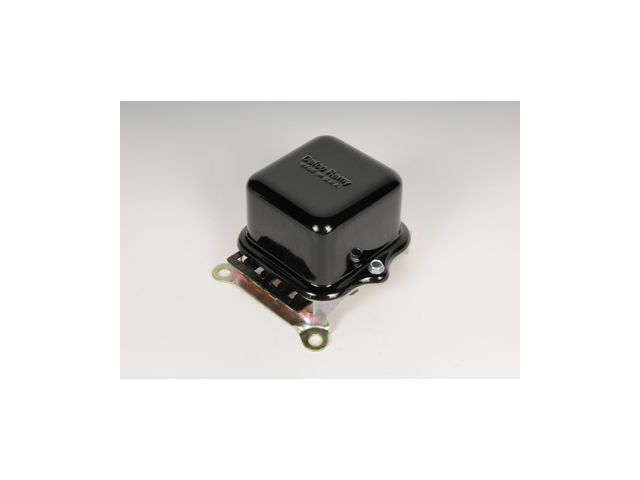
- Mechanical Regulators: These look and function like the original Delco-Remy units. They are a good choice for a factory-correct restoration, but the moving parts can wear out over time.
- Solid-State (Electronic) Regulators: These are generally more reliable and provide more precise voltage control. They are not prone to the same wear as mechanical units and never need adjustment. For a daily driver or a car you want maximum reliability from, a solid-state unit is often the better choice.
Brand Tiers: ACDelco vs. Standard Ignition
Both ACDelco and Standard Motor Products (SMP) are well-known brands that offer replacements for your Skylark.
- ACDelco: As GM's official parts brand, ACDelco is a trusted name. For classic cars, they offer both original-style mechanical regulators and updated solid-state versions. While some owners prefer to stick with ACDelco for authenticity, it's worth noting that modern ACDelco parts may be manufactured by various suppliers.
- Standard Ignition (SMP): Standard is a major aftermarket manufacturer with a reputation for quality parts. They also offer both mechanical and electronic versions. Many classic car owners have used Standard parts for years with good results.
Pro Tip: Many owners of classic GM cars choose a modern solid-state regulator for its reliability, and then swap the original Delco-Remy cover onto the new part to maintain a stock appearance.
🎬 Learn about bypassing the external regulator with a one-wire alternator.Typical Cost for a New Voltage Regulator (1966-1973 Buick Skylark)
| Part Type | Estimated Cost |
|---|---|
| New Aftermarket (Mechanical or Solid-State) | $35.65 - $106.61 |
Frequently Asked Questions
Where is the voltage regulator located on my 1966-1973 Skylark?
The external voltage regulator is typically a small, rectangular metal box mounted on the firewall or the radiator core support in the engine bay. It will have a wiring harness plugged into it.
Is a solid-state regulator better than a mechanical one?
For reliability and performance, yes. Solid-state regulators offer more precise voltage control, have no moving parts to wear out, and are generally more durable. Mechanical regulators are best for owners seeking 100% originality.
How do I test my voltage regulator?
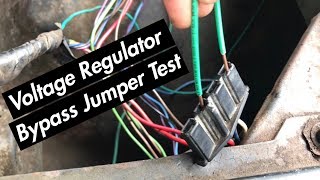
The easiest way is with a multimeter. With the engine off, your battery should read around 12.6 volts. Start the engine and let it idle. The voltage at the battery terminals should rise to between 13.8 and 14.5 volts. If the voltage stays low (below 13V) or goes too high (above 15V), the regulator is likely bad.
🎬 Watch: A step-by-step guide to testing your external regulator.Can a bad voltage regulator ruin my alternator?
Yes. A faulty regulator can cause the alternator to work too hard or create voltage spikes, which can lead to premature alternator failure. It's a good idea to check the entire charging system when one component fails.
Why is a good ground connection so important for the regulator?
External regulators rely on a solid ground connection through their mounting bolts to function correctly. A poor ground can cause erratic charging behavior and lead to premature failure of the regulator itself. Always make sure the mounting area is clean, bare metal.
Helpful Videos
Technical Specifications
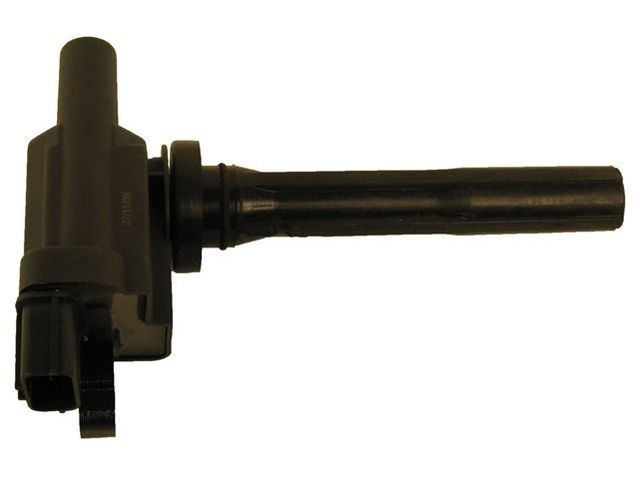
OEM Part Numbers: 1119515
External Mount, 12-Volt System
We Have This Part in Stock


The information in this article is provided for general reference and educational purposes only. Vehicle specifications, procedures, and part compatibility can vary by production date, trim level, and region. Always consult your vehicle's factory service manual and verify part numbers before purchasing or performing repairs. Safety-critical components such as airbags, seat belts, and braking systems should be installed by a qualified professional.