

Ford Custom Brake Light Switch Guide for 1966-1972 Models
Solve your brake light problems by finding the right switch for your classic Ford Custom.
- First, identify if your car has a hydraulic pressure switch on the master cylinder or a mechanical switch at the brake pedal.
- A faulty switch can cause brake lights to fail completely or stay on constantly.
- Always check fuses, bulbs, and wiring before assuming the switch is the only problem.
- If replacing a hydraulic pressure switch, you must bleed the brakes afterward.
Is Your Brake Light Switch Failing?
A bad brake light switch on a 1966-1972 Ford Custom typically fails in one of two ways. The most common and dangerous symptom is when the brake lights do not turn on at all when you press the pedal. The other common symptom is that the brake lights stay on all the time, even when the car is off, which will drain your battery. On these classic Fords, the problem isn't always the switch itself. Similar symptoms can be caused by a bad fuse, corroded wiring, a poor ground, or an issue with the turn signal switch, which the brake light circuit often runs through.
Identifying Your Switch Type
Before buying a replacement, you need to know which switch your car has. It's simple to check:
- Pressure Switch: Look at your master cylinder on the firewall in the engine bay. If you see a small, brass-colored switch with two wires connected to it, you have a hydraulic pressure switch.
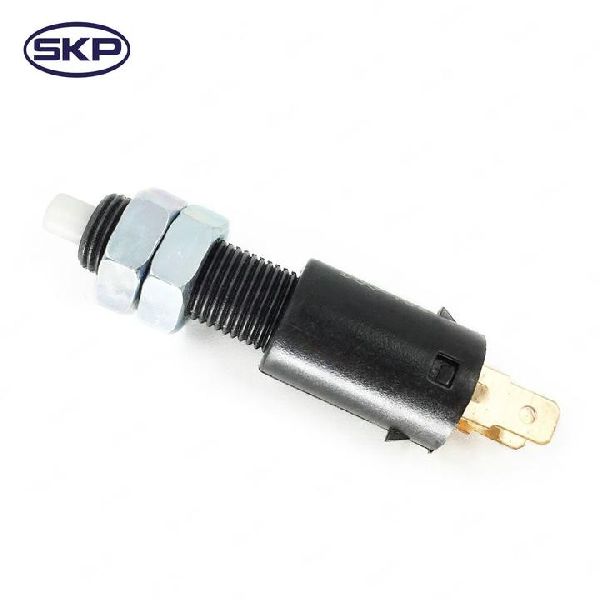
- Mechanical Switch: Look under the dashboard at the top of your brake pedal arm. If you see a switch mounted there that is activated by the pedal's movement, you have a mechanical switch.
Pro Tip: Check Fuses and Wires First
On a car of this age, electrical gremlins are common. Before replacing the switch, check the simple things. Make sure the fuse for the brake lights is good and that the fuse holder contacts are clean. Also, check for power at the switch with a test light to confirm it's receiving voltage.
Choosing the Right Aftermarket Brake Light Switch
For a vehicle from this era, finding a New Old Stock (NOS) Ford part is rare and often expensive. Aftermarket switches are the most practical and widely available option. The quality of a simple switch like this is generally good across reputable brands.
- Standard Ignition (SMP): A well-known and trusted brand in the aftermarket world. Their parts are widely considered to be reliable, quality replacements.
- Rostra Powertrain: Known for a variety of automotive electronic components, Rostra is a solid choice for a replacement switch.
- Skyward: This brand typically falls into the economy or budget-friendly category. It will get the job done, but may not have the same long-term durability as more established brands.
For a critical safety component like a brake light switch, spending a few extra dollars on a known brand like Standard Ignition can provide peace of mind. However, even budget-friendly options are a vast improvement over a non-functional switch.
Brake Light Switch Cost for 1966-1972 Ford Custom
| Part Type | Price Range |
|---|---|
| New Aftermarket | $5.40 - $29.97 |
| New OEM (NOS) | $50 - $150+ (if found) |
| Shop Labor | $50 - $100 |
Important: Brake Bleeding May Be Required
If your Custom has the hydraulic pressure switch on the master cylinder, replacing it will introduce air into your brake lines. You must bleed the brakes after replacing this type of switch to ensure your brakes work safely. If you have the mechanical switch at the pedal, no bleeding is necessary.
Frequently Asked Questions
Can I drive with a bad brake light switch?
No. Driving without functional brake lights is extremely dangerous and illegal. It significantly increases your risk of being rear-ended. You should not drive the vehicle until the brake lights are repaired.
My new switch didn't fix the problem. What else could it be?
If a new switch doesn't solve the issue, check the bulbs, the fuse, and the wiring. On many classic Fords, the brake light power is routed through the turn signal switch in the steering column. A failure in the turn signal switch can prevent the brake lights from working.
Is it hard to replace the brake light switch myself?
For a mechanical switch at the pedal, it's an easy job that requires working in an awkward position under the dash. For the hydraulic pressure switch, the replacement is simple, but it requires you to bleed the brake system afterward, which adds a step.
Why are my brake lights stuck on?
This is a common failure mode for both types of switches. A hydraulic switch can get stuck internally, and a mechanical switch can fail, break, or become misaligned, causing the lights to stay on and drain your battery.
Technical Specifications
OEM Part Numbers: C1AZ-13480-A SW-24
Switch Type: Hydraulic Pressure (early models) or Mechanical Plunger (later models)
We Have This Part in Stock


The information in this article is provided for general reference and educational purposes only. Vehicle specifications, procedures, and part compatibility can vary by production date, trim level, and region. Always consult your vehicle's factory service manual and verify part numbers before purchasing or performing repairs. Safety-critical components such as airbags, seat belts, and braking systems should be installed by a qualified professional.