

Ford Bronco Alternator Guide: Upgrades and Replacements for 1966-1972
Is your early Bronco's charging system struggling to keep up? Here's what you need to know before you buy a new alternator.
- Always test the external voltage regulator first; it's a common failure point and can mimic a bad alternator.
- Upgrading to a higher-amperage alternator is highly recommended if you have any modern electronics.
- If you install a high-output alternator (over 70A), you must also upgrade the main charge wire to a heavier gauge.
- Check all ground connections. A bad ground is a frequent cause of charging system problems on these classic Broncos.
Is Your Bronco's Alternator Failing?
The electrical system on a classic Bronco is simple, but a failing alternator will bring everything to a halt. Watch for these common symptoms that signal your charging system needs attention.
- Dim or Flickering Lights: Headlights and dash lights that are dim, pulsing, or get brighter when you rev the engine are a classic sign of a weak alternator.
- Frequently Dead Battery: If you need to jump-start your Bronco often, the alternator likely isn't recharging the battery properly as you drive.
- Whining or Grinding Noises: Unusual sounds from the front of the engine can indicate worn-out bearings inside the alternator.
- Electrical Gremlins: A radio that cuts out or accessories that work intermittently can be caused by the low voltage from a failing alternator. On Broncos with modern upgrades like electronic fuel injection (EFI), low voltage can even cause poor engine performance or stalling.
- Battery Light: The "ALT" or "GEN" light on your dash is a direct warning that the charging system has a problem.
Don't Forget the Voltage Regulator
Many charging problems on 1966-1972 Broncos are caused by a failed external voltage regulator, not the alternator itself. This part can cause the battery to not charge at all or, just as dangerously, overcharge it (indicated by a voltmeter reading above 15-16 volts). Since it's an inexpensive part, it's often wise to test or replace the regulator before condemning the alternator.
🎬 Watch: How to test a classic Ford alternator and regulator.Choosing the Right Aftermarket Alternator
Finding a "new" original Ford alternator for a classic Bronco is nearly impossible. The market today consists of remanufactured units and new aftermarket parts. For this vehicle, a quality aftermarket alternator is often a significant upgrade over the original 1960s technology.
Original alternators on these Broncos had very low output, sometimes as low as 35-55 amps. This is barely enough for the stock vehicle and can't support modern additions like powerful stereos, off-road lights, electric fans, or fuel injection. When choosing a replacement, consider how you use your Bronco.
Option 1: Stock-Style, Higher-Output Alternators
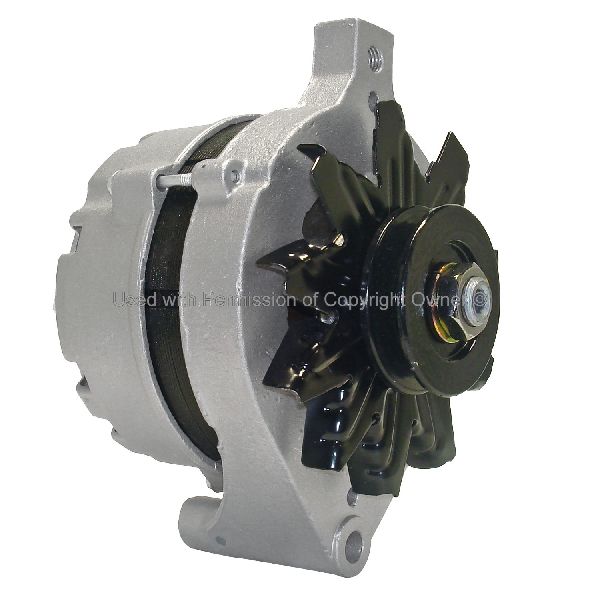
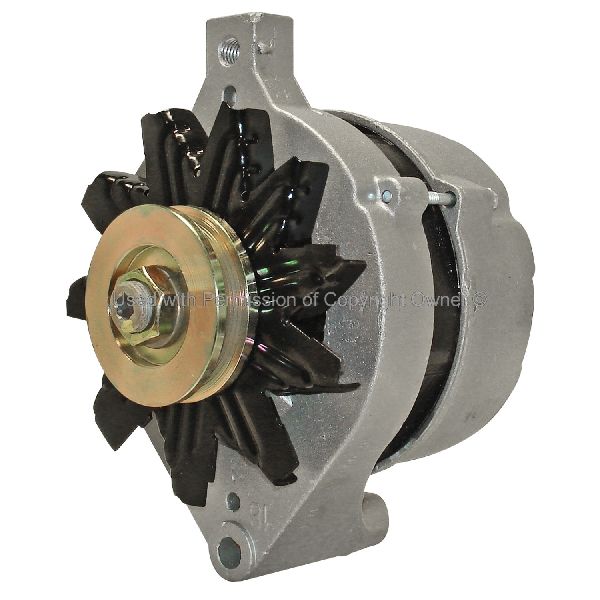
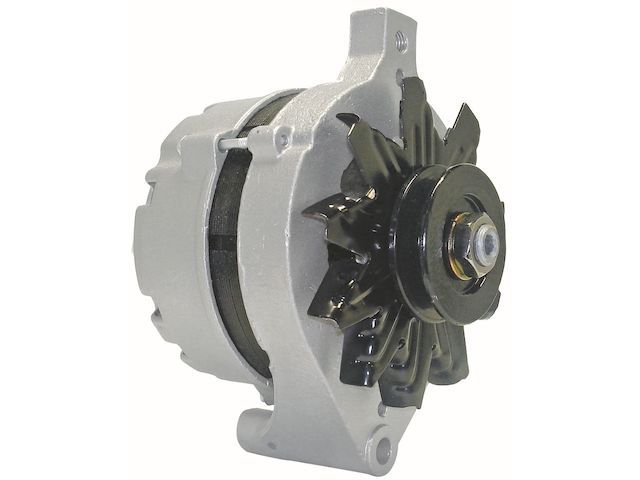
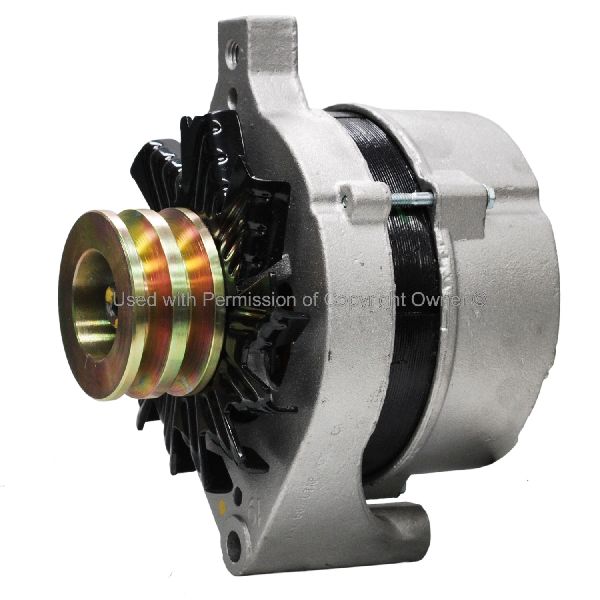
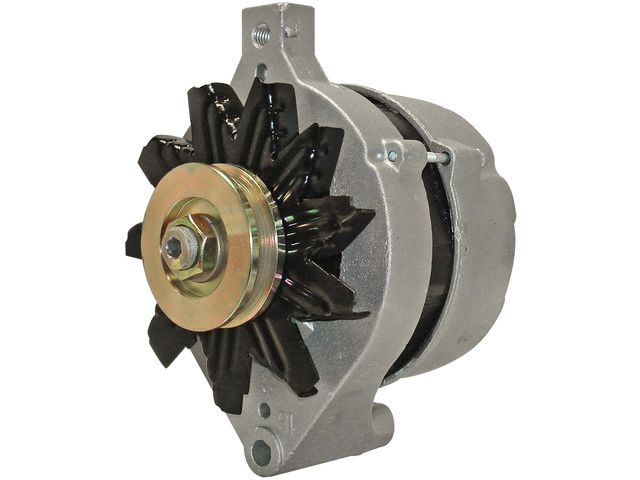
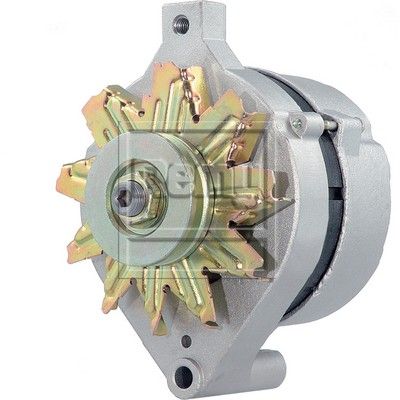
Some brands, like Powermaster, offer alternators that look original and bolt in directly, but provide a higher amperage output (e.g., 75 amps). These are a great choice if you want a simple upgrade for a mostly stock truck and want to keep the original external voltage regulator and wiring. They provide more power at idle and cruising speeds than the original units.
Option 2: High-Output, Internally Regulated Alternators
This is the most popular upgrade path. It involves switching to a modern-style alternator with a built-in voltage regulator. The Ford "3G" series alternator (often sourced from a mid-90s Mustang) is a common and highly recommended swap, 🎬 See how to perform a 3G alternator swap for more power. providing 95 to 130 amps. Aftermarket brands like Powermaster and Proform also offer powerful "one-wire" alternators that simplify installation.
- Pros: Much higher amperage to power accessories, better charging at low RPM, and increased reliability by eliminating the old external regulator.
- Cons: Requires wiring modifications to bypass the old regulator. These conversions will also cause the factory ammeter gauge to no longer function; switching to a voltmeter is recommended.
Upgrade Your Wiring for High-Output Units
If you install an alternator rated over 70 amps, you must upgrade the main battery charge wire to a heavier gauge (like a 6-gauge or 4-gauge wire). The stock wiring is too thin to handle the extra current and can create a fire hazard.
| Part Tier | Price Range | Best For |
|---|---|---|
| Economy (BBB Industries, MPA) | $41 - $100 | Basic, stock-level replacement for a vehicle with no added electrical accessories. |
| Standard/Upgrade (ACDelco, Remy, Powermaster) | $100 - $200 | Owners looking for a reliable bolt-in upgrade with more power than stock, or for a quality 1-wire conversion. |
| Performance (Powermaster, Proform) | $200 - $315+ | Broncos with significant electrical loads like EFI, winches, electric fans, and large sound systems. |
Frequently Asked Questions
Do I really need a high-output alternator?
If you have added any modern electrical accessories—or plan to—the answer is yes. The original 35-55 amp alternator cannot safely power items like fuel injection, electric cooling fans, a winch, or a modern stereo with an amplifier. An upgrade prevents electrical issues and ensures the battery stays charged.
What is a "one-wire" alternator?
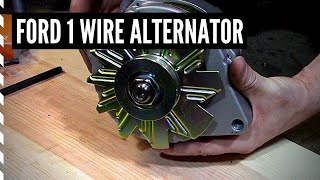
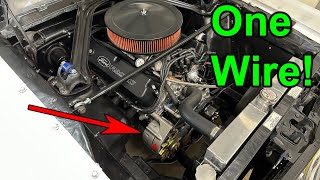
A one-wire alternator is an internally regulated unit that simplifies wiring. It only requires a single, heavy-gauge wire running from the alternator's output post directly to the battery. This makes it a popular choice for custom builds and for cleaning up the engine bay by eliminating the external regulator 🎬 Watch: A guide to upgrading to a simple one-wire alternator. and its wiring.
Will my factory ammeter gauge still work with an upgraded alternator?
No, not if you convert to an internally regulated or one-wire alternator. The factory ammeter works by having the full charging current run through a loop on the back of the gauge. Modern, high-output systems must be wired directly to the battery and will bypass this loop. Most owners install an aftermarket voltmeter instead, which is a more accurate way to monitor the health of your charging system.
Could a bad ground be my problem?
Yes. Bad or corroded ground connections are a very common source of charging problems on classic vehicles. Before replacing parts, ensure the main battery-to-engine ground is clean and tight, and that the alternator and voltage regulator have clean, metal-to-metal mounting points. The factory wiring included a ground wire between the alternator case and the voltage regulator mounting screw; make sure this is intact.
Helpful Videos
Technical Specifications
OEM Part Numbers for this generation are widely varied and often superseded. Key specifications to consider are Amperage and Regulation Type. Stock amperage was typically 35-55 amps. Aftermarket upgrades range from 60 amps to over 150 amps. The original system uses an External Voltage Regulator, while many popular upgrades feature an Internal Regulator.
We Have This Part in Stock

The information in this article is provided for general reference and educational purposes only. Vehicle specifications, procedures, and part compatibility can vary by production date, trim level, and region. Always consult your vehicle's factory service manual and verify part numbers before purchasing or performing repairs. Safety-critical components such as airbags, seat belts, and braking systems should be installed by a qualified professional.