

Fargo D200 Pickup Speedometer Cable Guide (1966-1972)
Fix your bouncy, noisy, or dead speedometer with the right new aftermarket cable.
- A bouncy or noisy speedometer needle is the most common sign of a failing cable on your Fargo D200.
- Aftermarket brands like ATP and Pioneer are the primary source for new cables; OEM parts are no longer made.
- Always lubricate the new inner cable with graphite-based lubricant before installation to ensure smooth operation and long life.
- Ensure the cable is routed with gentle bends, avoiding kinks or proximity to the hot exhaust.
Is Your Speedometer Acting Up?
A faulty speedometer cable is the most common reason for speedometer problems in these classic trucks. Because the Fargo D200 is mechanically identical to the Dodge D200 of the same era, parts and repair knowledge for Dodge trucks apply directly to your Fargo. Common symptoms point directly to a cable that is old, dry, or damaged.
Common Failure Symptoms:
- Wavering or Bouncing Needle: This is the most frequent sign of a problem. It's caused by the inner cable binding and releasing as it turns inside the housing. This usually means the cable is dry and needs lubrication, or it has a kink or sharp bend in it.
- Squealing or Whining Noises: A high-pitched squeal or grinding noise from behind the dashboard often means the cable is dry and rubbing against its housing. This is a warning that the cable needs lubrication before it breaks.
- Speedometer is Dead: If the needle doesn't move at all, the inner cable has likely snapped, or the gears at the transmission or speedometer head have failed.
A Note on Check Engine Lights
Some general repair guides mention that a bad speedometer cable can trigger a Check Engine Light. This does NOT apply to your 1966-1972 Fargo D200. These trucks have a mechanical system with no electronic sensors tied to the speedometer cable, so a bad cable will not cause any warning lights on your dash.
Choosing the Right Aftermarket Cable
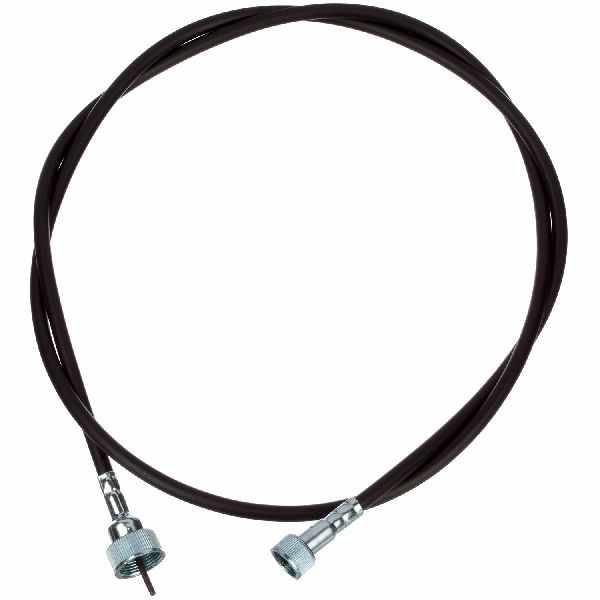
Original Mopar speedometer cables for these trucks have been unavailable for decades. Today, your only practical option for a new part is the aftermarket. Brands like ATP and Pioneer offer direct-fit replacement cables.
For a simple mechanical part like this, there isn't a huge quality difference between the available aftermarket brands. Success depends more on proper installation than on brand choice. However, some owners in forums have noted issues with the 'lay' or wind of the inner cable on cheaper aftermarket parts, causing the needle to oscillate even when new. Regardless of the brand you choose, the following steps are crucial:
- Lubricate Before Installing: New cables are often shipped dry. Always pull the inner core out of the housing and apply a light coat of graphite-based speedometer cable lubricant. Do not use heavy grease, and avoid lubricating the top 6-12 inches of the cable that enters the speedometer head to prevent lubricant from contaminating the gauge mechanism.
- Check the Length: Measure your old cable housing from tip to tip to ensure you buy the correct length. Different transmission and wheelbase combinations may have used different length cables.
- Route it Correctly: When installing, make sure the cable follows gentle curves. Avoid sharp bends or routing it too close to the exhaust manifold, which can melt the housing.
Pro Tip: Universal Cable Kits
If you cannot find a direct-fit cable, or if you have a custom drivetrain setup, universal 'cut-to-fit' kits are available from brands like ATP. These kits provide a long inner and outer cable that you trim to the exact length you need. They require a bit more work but can be a good solution for non-standard applications.
🎬 See a step-by-step speedometer cable swap on a classic truck.Replacement Cost
Replacing a speedometer cable is a budget-friendly and straightforward job.
| Part or Service | Estimated Cost |
|---|---|
| New Aftermarket Speedometer Cable | $16.75 - $31.75 |
| Shop Labor | $100 - $180 |
Frequently Asked Questions
Is replacing the speedometer cable a difficult job?
No, this is a great DIY job for beginners. It typically requires only basic hand tools and involves disconnecting the cable from the back of the gauge cluster and from the transmission. The hardest part is often reaching up behind the dashboard.
🎬 Watch this quick guide on removing and replacing your cable.My new speedometer cable is noisy or bouncy. What did I do wrong?
This is almost always caused by a lack of lubrication or improper routing. Ensure the cable is well-lubricated with graphite lube and that there are no sharp bends between the transmission and the dashboard.
Do I need any special tools?
Usually, no. A set of screwdrivers to access the dash cluster and possibly pliers to unscrew the cable from the transmission are all that's needed. Some original transmission fittings might require a wrench.
Will any fluid leak out when I disconnect the cable from the transmission?
No, you do not need to worry about transmission fluid leaking when you disconnect the speedometer cable.
Helpful Videos

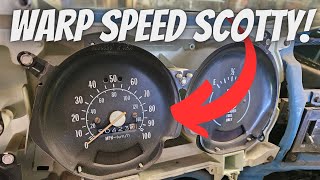
Technical Specifications
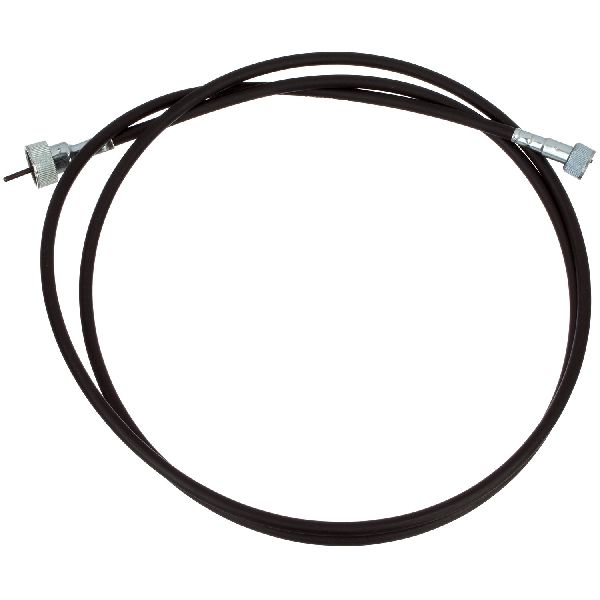
The speedometer cable is a purely mechanical part consisting of a wound steel inner core that spins freely inside a protective outer housing. Key specifications are the overall length of the housing and the type of fittings at the transmission and speedometer ends. For the 1966-1972 Fargo/Dodge D200, the speedometer head connection is typically a clip-on style, and the transmission end is a threaded screw-on collar.
We Have This Part in Stock


The information in this article is provided for general reference and educational purposes only. Vehicle specifications, procedures, and part compatibility can vary by production date, trim level, and region. Always consult your vehicle's factory service manual and verify part numbers before purchasing or performing repairs. Safety-critical components such as airbags, seat belts, and braking systems should be installed by a qualified professional.