

Mercury Colony Park Speedometer Cable Guide (1966-1970)
If your speedometer needle is bouncing or making noise, here’s what you need to know before buying a new cable.
- A bouncing needle, dashboard noise, or a dead speedometer are the main signs of a bad cable.
- New OEM Ford cables are unavailable; you will be buying an aftermarket part.
- Always lubricate the new inner cable with graphite before installation to prevent noise and binding.
- You must transfer the plastic driven gear from your old cable to the new one.
Is Your Speedometer Cable Failing?
On a classic wagon like the Colony Park, the speedometer cable is a common part to wear out. After decades of use, the inner cable can get dry, kinked, or even snap. The outer housing can also get brittle or damaged, letting in dirt and moisture that cause the inner cable to bind up. If your speedometer is acting up, the cable is the most likely culprit.
Symptoms of a Bad Speedometer Cable
Look for these common signs of a failing speedometer cable. These symptoms usually get worse over time.
- Bouncing or Wavering Needle: This is the most frequent symptom. The needle will jump around erratically, especially at lower speeds. This happens when the inner cable binds and releases inside the housing.
- Squealing or Grinding Noises: You may hear a whirring or squeaking sound coming from behind the dashboard. This noise will change pitch and volume with your vehicle's speed. It's caused by a dry or frayed cable scraping inside its housing.
- No Speed Reading: If the speedometer needle doesn't move at all and stays at 0 MPH, the inner cable has likely snapped completely. The odometer will also stop counting miles.
Official Service Information
Searches for official recalls or Technical Service Bulletins (TSBs) from the National Highway Traffic Safety Administration (NHTSA) for the speedometer cable on the 1966-1970 Mercury Colony Park did not produce any results. This is normal for a vehicle of this age, as recalls are not typically issued for such components and TSBs are rare to find in digital formats.
Choosing the Right Aftermarket Cable
Original Ford (OEM) speedometer cables for your Colony Park are no longer in production. You will be purchasing an aftermarket part. Quality can vary, so it's important to know what to look for.
Aftermarket Brand Tiers
| Brand | Tier | Notes |
|---|---|---|
| Lokar | Custom / Performance | Lokar specializes in parts for hot rods and custom builds. Their cables are typically high-quality, designed to be cut to a specific length for a perfect fit. This is a good option if you have a modified vehicle or want a premium, durable part. |
| Pioneer Cable / ATP | Standard Replacement | These brands offer affordable, direct-fit replacements. However, some classic car owners have reported inconsistent quality with these value-oriented brands, citing issues with incorrect fittings or premature failure compared to original parts. When buying, carefully inspect the part to ensure it matches your original cable's design. |
Pro Tip: Before installing any new cable, pull the inner core out of the housing and apply a light coat of graphite-based lubricant. Do not use heavy grease, as it can gum up and cause the cable to bind, especially in cold weather. Proper lubrication ensures smooth operation and a longer life.
Common Ordering & Installation Mistakes
- Wrong Length: Measure your old cable housing from tip to tip before ordering. A cable that is too short won't reach, and one that is too long may need to make sharp bends, which causes binding and noise.
- Ignoring the Driven Gear: The new speedometer cable does not include the small plastic gear that inserts into the transmission. You must carefully remove the retaining clip and transfer the gear from your old cable to the new one. Inspect the gear for any worn or stripped teeth before you reinstall it.
- Sharp Bends: When routing the new cable, ensure it follows smooth, wide curves. Any sharp bends or kinks between the transmission and the firewall will cause the needle to bounce and will quickly ruin the new cable.
- Buying Two-Piece Cables: Some universal cables come in two pieces. Forum users and mechanics often recommend avoiding these, as the connection point can be a source of failure. A single-piece cable is more reliable.
Frequently Asked Questions (FAQ)
Is it difficult to replace a speedometer cable myself?
No, this is a good project for a beginner. It requires basic hand tools and access to the underside of the vehicle. The most difficult part is often reaching the clip that holds the cable to the back of the speedometer gauge inside the dash. The job typically takes 1-2 hours.
My new cable is installed, but the needle still bounces. What's wrong?
If a new, properly lubricated cable doesn't fix the issue, the problem may be inside the speedometer head itself. The internal mechanisms of the gauge can wear out over time, causing them to stick or bind. You may need to have the speedometer gauge professionally serviced or replaced.
Do I need to replace the gear in the transmission?
Usually, no. You will reuse the plastic driven gear from your old cable. However, if the teeth on that gear are worn or stripped, it will need to be replaced. In rare cases, the drive gear inside the transmission can also wear out, which is a more involved repair.
What kind of connection does my 1966-1970 Colony Park use?
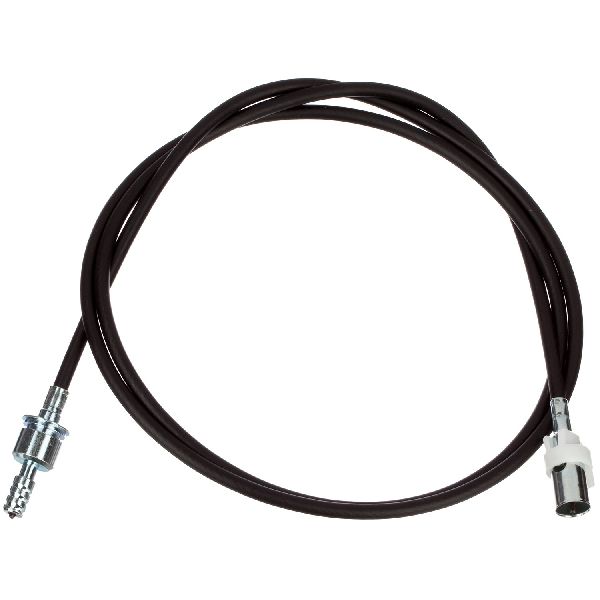
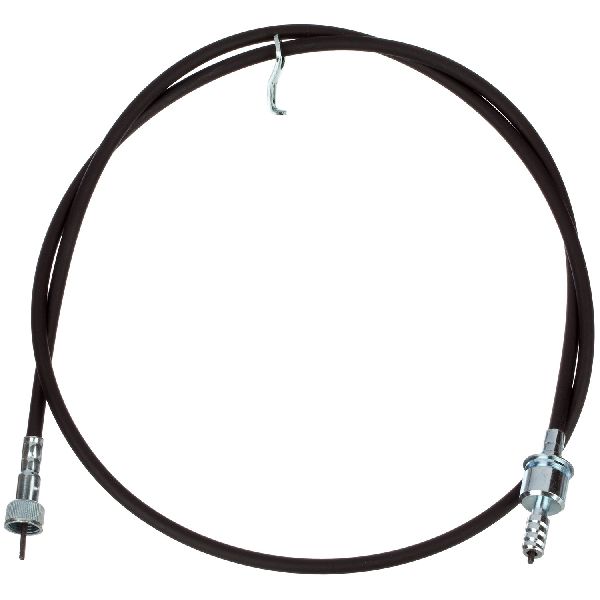
For Ford and Mercury vehicles of this era with a C6 transmission, the cable typically threads onto the back of the speedometer. Always compare the new part to your old one before installation to ensure the connections match at both the transmission and speedometer ends.
Technical Specifications
The speedometer cable for this vehicle is a mechanical, single-piece cable. It connects to the C6 automatic transmission and threads onto the back of the speedometer gauge. The length must be verified against the original part before ordering.
We Have This Part in Stock


The information in this article is provided for general reference and educational purposes only. Vehicle specifications, procedures, and part compatibility can vary by production date, trim level, and region. Always consult your vehicle's factory service manual and verify part numbers before purchasing or performing repairs. Safety-critical components such as airbags, seat belts, and braking systems should be installed by a qualified professional.