

Jeep CJ6A Universal Joint Replacement Guide (1966-1968)
Everything you need to know about replacing the U-joints on your classic 1966-1968 Jeep CJ6A.
- Listen for clunking, squeaking, or vibrations, as these are key signs of a failing U-joint.
- Choose a premium brand like Moog or SKF for the best durability, especially if you use your Jeep for off-roading.
- Decide between greaseable and sealed joints; greaseable joints require maintenance but can last longer if cared for.
- Using a proper press or vise is critical for installation to avoid damaging the new joint's needle bearings.
Signs of a Failing Universal Joint
A bad U-joint gives you a few warning signs. Ignoring them can lead to a driveshaft separating from the vehicle, which can cause major damage and leave you stranded. Listen and feel for these symptoms:
- Clunking Noise: A loud 'clunk' or 'ping' when you shift from park into drive or reverse is a classic sign of a worn U-joint. You might also hear it when you accelerate or decelerate suddenly.
- Vibration: A vibration that you can feel through the floor of the Jeep, especially at highway speeds, often points to a bad U-joint. As the part wears, it becomes unbalanced and vibrates as it spins.
- Squeaking or Chirping: A repetitive squeaking noise that gets faster as you speed up is a sign that the U-joint is dry and has lost its internal lubrication.
Don't Ignore the Noise
A U-joint failure is not something to take lightly. If it breaks completely while you're driving, the loose driveshaft can damage your exhaust, fuel lines, and transmission, leading to very expensive repairs.
Choosing the Right Aftermarket U-Joint
For a vehicle from 1966-1968, finding original OEM parts is nearly impossible. The good news is that aftermarket brands offer a wide range of quality replacements. The most common U-joint for classic CJs is the 1310 series, but always measure or check your old part to be sure. Here’s a breakdown of the available brands:
Brand Quality Tiers
- Premium (Best for Durability & Off-Road): Brands like Moog and SKF are often considered top-tier. They are known for strong, durable construction and often come with features like grease fittings (zerks) that allow you to maintain them for a longer life. Moog in particular is a popular choice for classic Jeeps.
- Standard (Good Quality & Value): GMB and Crown Automotive fall into this category. GMB is a well-known manufacturer that sometimes produces parts for original equipment. Crown specializes in Jeep parts and generally has a reputation for good fitment, which is important for older vehicles.
- Economy (Budget-Friendly): Omix-Ada is another Jeep-specific brand that often provides budget-friendly options. While some users have mixed experiences, they can be a good choice for a vehicle that sees light use. For a critical part like a U-joint, many owners prefer to spend a little more for a premium or standard brand.
Greaseable vs. Sealed U-Joints
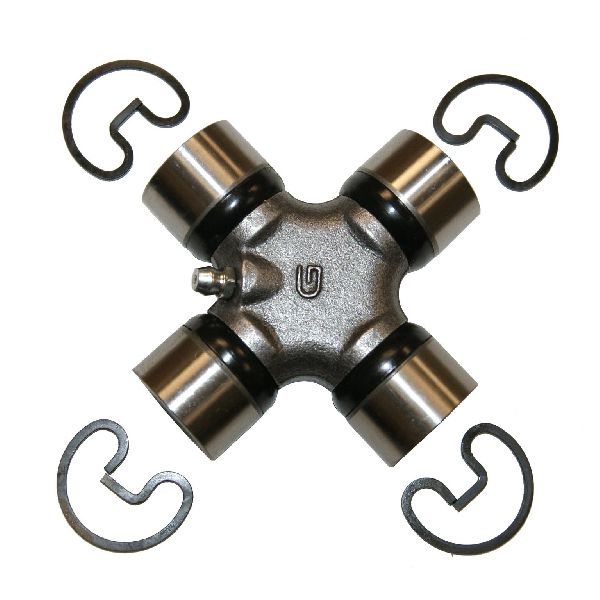
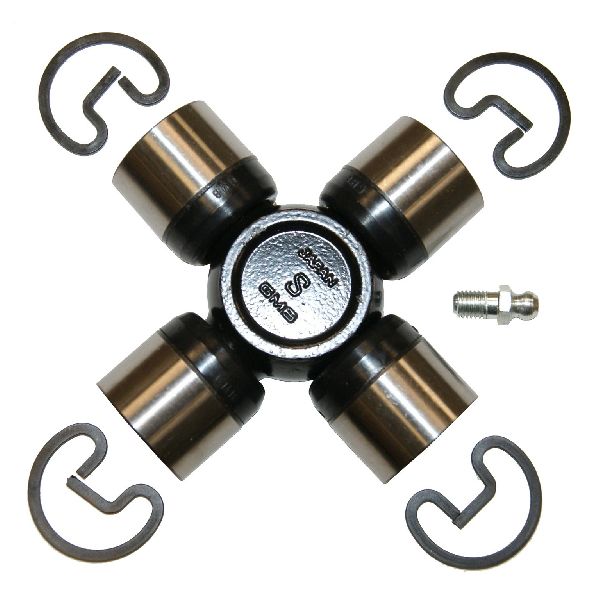
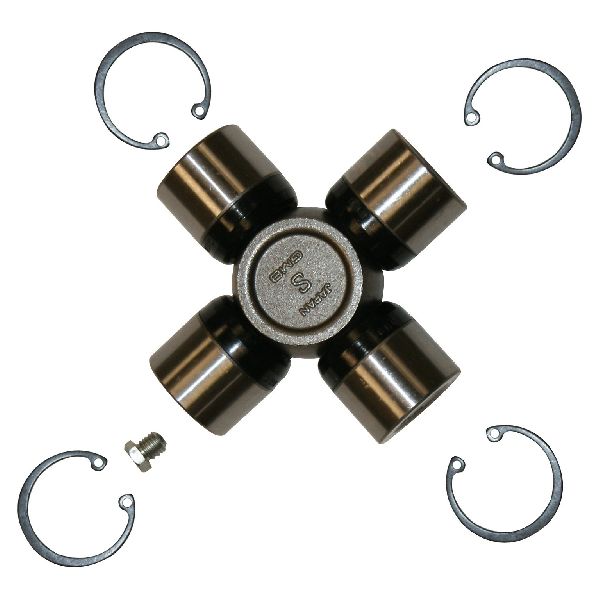
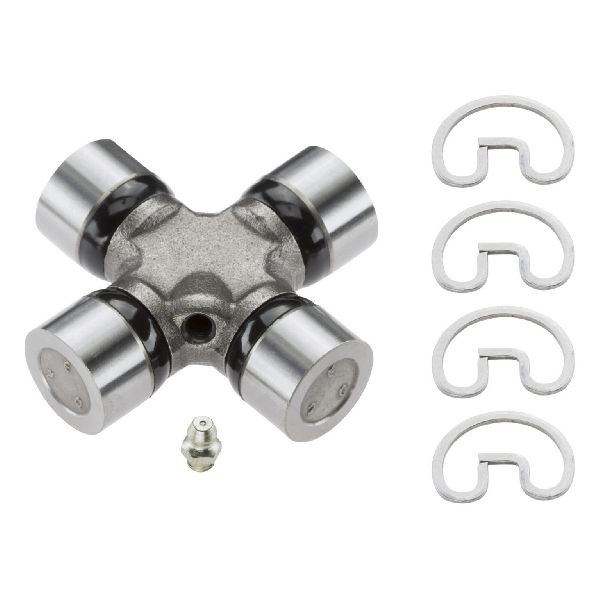
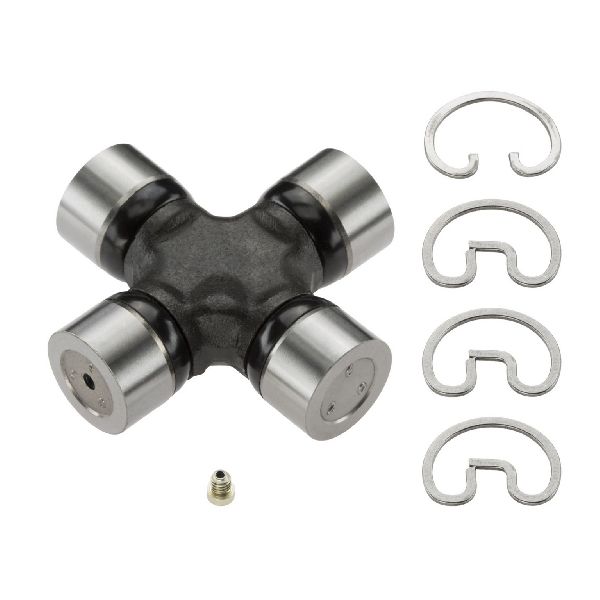
You'll see options for both greaseable (with a zerk fitting) and non-greaseable (sealed) U-joints. Greaseable joints can last longer if you regularly pump fresh grease into them, which also pushes out contaminants like water and dirt. Sealed joints are maintenance-free but may have a shorter lifespan, especially in wet or muddy conditions. However, some argue that sealed joints are stronger because the cross is solid and not drilled for grease channels.
Common Ordering Mistakes & Installation Notes
Before ordering, confirm the U-joint size. While most CJ6As use 1310 series joints, variations can exist. Measure the cap diameter and the width of the U-joint across both ways. Replacing a U-joint requires specific tools. You'll need a heavy-duty vise, a ball joint press, or a large C-clamp and sockets to press the old joint out and the new one in. Do not try to hammer the new caps in, as this can dislodge the delicate needle bearings inside and cause the new joint to fail quickly.
Frequently Asked Questions
How many U-joints are on a 1966-1968 Jeep CJ6A?
A typical 4x4 CJ6A will have at least four U-joints: one at each end of the front driveshaft and one at each end of the rear driveshaft. Some models may also have U-joints in the front axle shafts for steering. It's a good idea to inspect all of them at once.
Are there any recalls for CJ6A universal joints?
No. There are no active recalls or Technical Service Bulletins (TSBs) from the NHTSA for universal joints on the 1966-1968 Jeep CJ6A. This is expected for a vehicle of this age. Any known issues are based on common knowledge from mechanics and owners.
Why do U-joints fail on old Jeeps?
The most common reasons for failure are lack of lubrication, age, and exposure to dirt and water. Off-roading puts extra stress on these parts, accelerating wear. Rust can also make them difficult to replace and can damage the yokes on the driveshaft if not handled carefully.
What tools do I need to replace a U-joint?
At a minimum, you'll need wrenches to remove the driveshaft, snap ring pliers, and a way to press the joints out. A bench vise and a combination of sockets work well. A dedicated ball joint press or U-joint tool is the best and safest option. You will also need a grease gun for a greaseable joint.
Technical Specifications
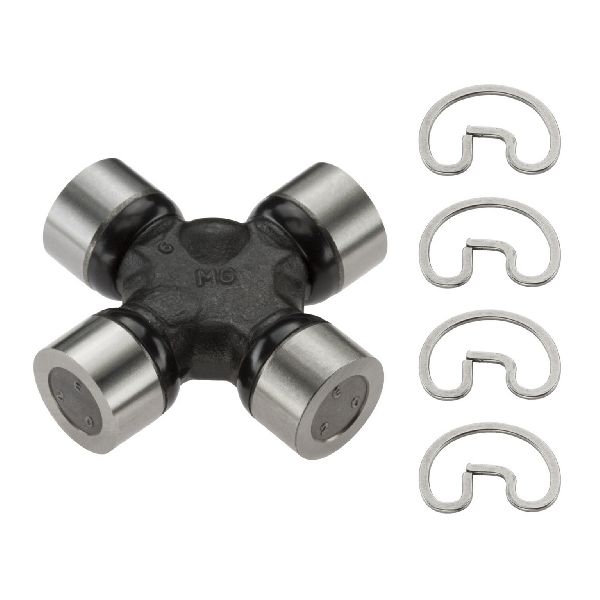
The most common U-joint size for this application is the Spicer 1310 series. However, it is critical to measure your existing U-joint's cap diameter and overall width to ensure you order the correct replacement part.
We Have This Part in Stock

The information in this article is provided for general reference and educational purposes only. Vehicle specifications, procedures, and part compatibility can vary by production date, trim level, and region. Always consult your vehicle's factory service manual and verify part numbers before purchasing or performing repairs. Safety-critical components such as airbags, seat belts, and braking systems should be installed by a qualified professional.