

Replacing the Automatic Transmission Mount on a 1966-1967 Mercury Voyager
If you feel a clunk or vibration when you put your Voyager in gear, your transmission mount is the likely culprit.
- A clunking noise when shifting gears is the most definitive sign of a failed transmission mount on your Voyager.
- New aftermarket parts are your only realistic option; brands like Anchor and DEA are budget-friendly, while polyurethane options offer more durability at a higher cost.
- This part is shared with the much more common 1966-67 Mercury Comet and Ford Fairlane, making it easy to find.
- Replacing the mount is a simple, inexpensive repair that can prevent more costly damage to your driveshaft, exhaust, and engine mounts.
Symptoms of a Failing Transmission Mount
When the rubber on your Voyager's transmission mount gets old, oil-soaked, or cracked, it can no longer do its job. Because the Voyager shares its platform with the more common Mercury Comet and Ford Fairlane, the symptoms of failure are well-documented. You will likely notice one or more of the following signs:
- Clunking or Banging Noises: This is a very common symptom. You may hear a loud clunk or thud when you shift from Park to Drive or Reverse. The noise can also happen when you accelerate or brake suddenly. This sound is the transmission itself moving and hitting the vehicle's frame.
- Excessive Vibrations: A new or worsening vibration felt in the floor, seats, or steering wheel is a classic sign of a bad mount. This vibration is often most noticeable when the car is idling in gear or during acceleration.
- Excessive Drivetrain Movement: If the mount is completely broken, the entire engine and transmission assembly can rock back and forth. A mechanic can often spot this by lightly revving the engine with the brakes on and watching for excessive movement.
Choosing the Right Aftermarket Mount
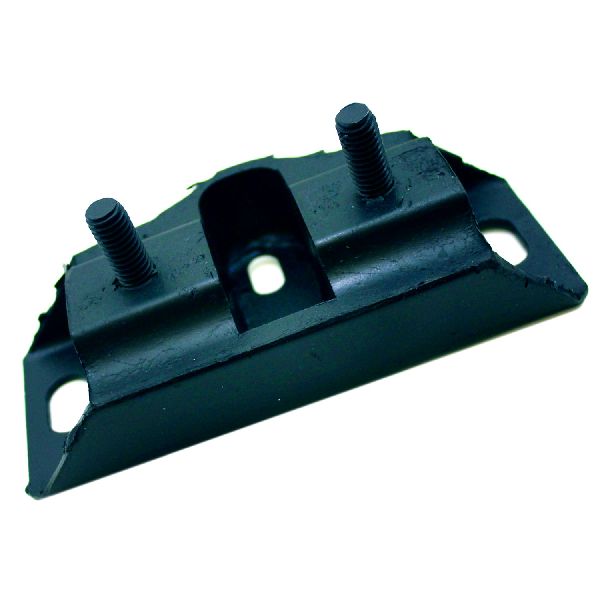
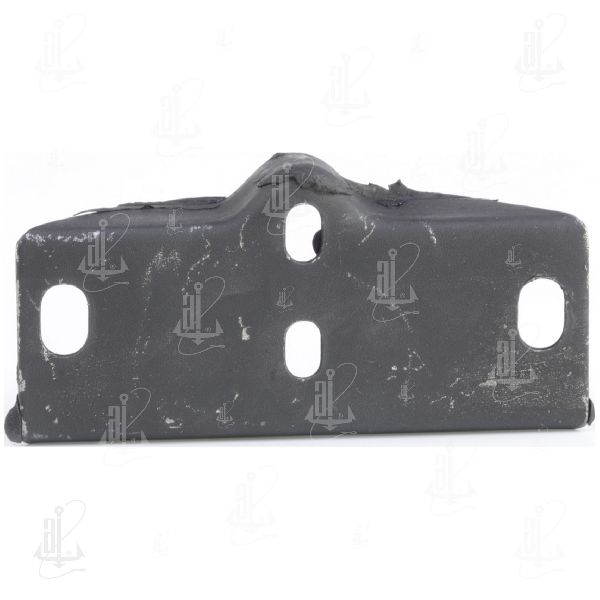
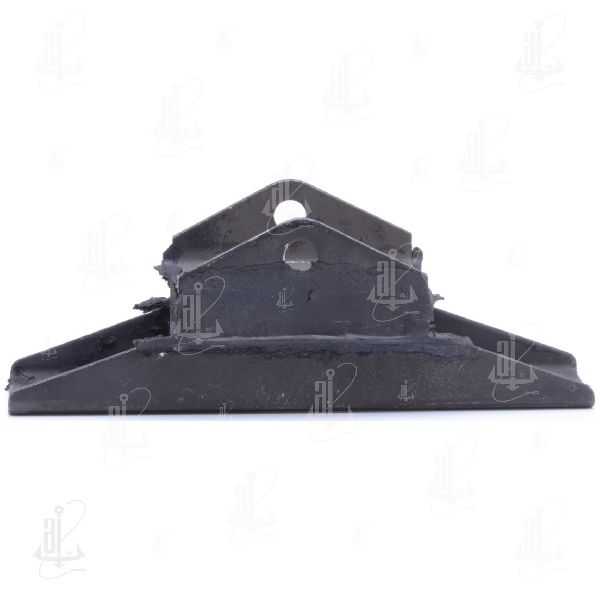
For a vehicle from the mid-1960s, finding a New Old Stock (NOS) Ford factory part is nearly impossible. The market for the Voyager transmission mount consists entirely of new aftermarket reproductions. The good news is that this part is shared across many Ford and Mercury models from that era, including the Comet, Falcon, and Fairlane, so it is readily available.
Aftermarket Brand Tiers
| Brand | Quality Assessment | Notes |
|---|---|---|
| Anchor / DEA (or Westar) | Standard Replacement / Economy | These brands are widely available and very affordable. However, owner feedback in forums is mixed, with some users reporting premature failure or poor fit compared to original parts. For a stock vehicle with normal driving, they are a functional, budget-friendly choice. Given the simplicity of the part on this vehicle, they often suffice. |
| Energy Suspension / Prothane | Performance / Heavy Duty | These brands offer mounts made of polyurethane instead of rubber. Polyurethane is much more durable and resistant to oils and fluids. It is a good option for high-performance applications or for owners who want a long-lasting part. The downside is a significant increase in cost and potentially more noticeable vibration inside the cabin, as the material is stiffer than rubber. |
A Note on Quality
Many online forums for various vehicles express frustration with the quality of standard aftermarket rubber mounts like Anchor and DEA, citing that they don't last as long as the original parts did. While this is a common sentiment, for a 60-year-old car, these aftermarket options are often the only practical choice. The installation is simple enough that even if one fails after several years, it is not a difficult or expensive job to do again.
Frequently Asked Questions (FAQ)
Is the transmission mount the same for all 1966-1967 Mercury models?
No, but it is the same for many mid-size models. This specific mount fits the 1966-1967 Voyager, Comet, and related Ford Fairlane models. It's always critical to confirm fitment for your specific vehicle and engine/transmission combination before ordering.
Can I replace the transmission mount myself?
Yes, for most home mechanics with a good set of tools, this is a very feasible DIY job. The process involves supporting the transmission with a jack, unbolting the crossmember, unbolting the old mount, and then installing the new one in reverse order. It does not typically require specialized tools.
What happens if I don't replace a bad transmission mount?
Ignoring a bad mount can lead to other problems. The constant movement can put stress on engine mounts, driveshaft u-joints, exhaust pipes, and even coolant hoses. In severe cases, the misalignment can affect shift linkage and cause premature wear on other drivetrain components. It's a cheap part that prevents expensive damage.
Are there any recalls for the 1966-1967 Mercury Voyager transmission mount?
No, a search of the National Highway Traffic Safety Administration (NHTSA) database shows no recalls or technical service bulletins (TSBs) for the transmission mount on the 1966-1967 Mercury Voyager or Comet. Recalls for this type of component on a vehicle of this age are extremely rare.
Technical Specifications
OEM Part Numbers: C8OZ-6068-A
This mount is a direct replacement for various 1960-1980 Ford and Mercury vehicles, including the 1966-1967 Mercury Voyager. It is compatible with both manual and automatic transmissions.
We Have This Part in Stock

The information in this article is provided for general reference and educational purposes only. Vehicle specifications, procedures, and part compatibility can vary by production date, trim level, and region. Always consult your vehicle's factory service manual and verify part numbers before purchasing or performing repairs. Safety-critical components such as airbags, seat belts, and braking systems should be installed by a qualified professional.