

Guide to the 1966-1967 International M700 Voltage Regulator
Keep your classic International's charging system reliable by understanding and diagnosing your voltage regulator.
- The voltage regulator on the 1966-67 M700 is an external part, crucial for protecting the battery and electrical system.
- Symptoms of failure include dimming/bright lights, a dead battery, and potential engine performance issues.
- For this vintage truck, a new aftermarket regulator from a reputable brand like Standard Ignition is the most practical solution.
- If your truck has a generator, you must polarize the new regulator after installation to ensure it charges correctly.
Understanding the Voltage Regulator in Your Vintage M700
The charging system on your 1966-1967 International M700 is a straightforward but essential system. Unlike modern vehicles, which have computer-controlled, internally regulated alternators, your truck uses an external voltage regulator. This small box, usually mounted on the firewall or inner fender, is responsible for managing the power your generator or alternator sends to the battery and the rest of the truck. It prevents the battery from being overcharged, which can cause it to fail, and protects your lights and gauges from burnout due to excessive voltage.
Signs of a Failing Voltage Regulator
When a voltage regulator starts to fail, it can cause a range of electrical problems. Because these trucks don't have complex warning systems, you need to watch for the classic signs of failure.
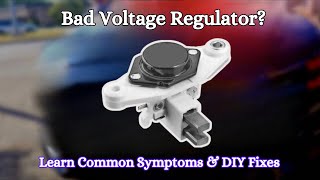
🎬 Watch this video to see common symptoms of regulator failure.- Dimming or Flickering Lights: One of the most common symptoms is seeing your headlights, dash lights, and interior lights flicker, dim, or pulse, especially as engine RPM changes.
- Unusually Bright Lights: If the regulator fails and allows the system to overcharge, your lights may appear much brighter than normal right before they burn out.
- Frequently Dead Battery: A faulty regulator can either undercharge or fail to charge the battery at all, leaving you with a dead battery even after a long drive.
- Engine Performance Issues: In some cases, a bad voltage regulator can cause the engine to sputter or stall. On vintage vehicles with generators, a specific failure in the regulator can even cause the engine to continue running after the key is turned off.
- "GEN" or "ALT" Warning Light: If your truck has a charging system warning light, it will likely illuminate if the regulator fails.
Safety First: Overcharging is Dangerous
An overcharging situation caused by a failed regulator can damage your battery, potentially causing it to overheat, swell, or leak acid. It can also destroy other electrical components. If you notice extremely bright lights or a smell of sulfur (like rotten eggs) from the battery, stop the vehicle and address the issue immediately.
Choosing a New Aftermarket Voltage Regulator
For a vehicle of this age, new Original Equipment Manufacturer (OEM) parts are generally not available. The most practical and common solution is a new aftermarket part.
Brand: Standard Ignition (Standard Motor Products)
Standard Ignition is a well-established brand in the aftermarket industry, known for producing reliable ignition and electrical components. For a vintage application like the M700, their parts are considered a dependable, direct-fit option. Their regulators are often built to meet or exceed original specifications, sometimes featuring improvements like epoxy-sealed circuit boards for better resistance to vibration and corrosion.
| Part Type | Estimated Cost |
|---|---|
| New Aftermarket (Standard Ignition) | $93.90 |
| New OEM | Not Available |
| Used OEM | Varies, but not recommended due to age |
| Shop Labor | $75 - $150 |
Pro Tip: Check Your Grounds
Before replacing the regulator, always check and clean your battery terminals, cables, and all ground connections. A poor ground can cause symptoms identical to a bad regulator and is a common issue on older vehicles.
Frequently Asked Questions (FAQ)
Is replacing the voltage regulator a DIY job?
Yes, for most owners with basic hand tools. The regulator is usually mounted in an accessible location on the firewall or fender, secured by a couple of bolts and a single wiring harness plug. The entire job can typically be done in under 30 minutes.
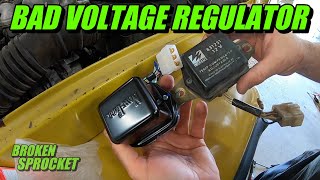
🎬 See how to replace a regulator and solve electrical issues.Are there any recalls or TSBs for the M700 voltage regulator?
No specific recalls or Technical Service Bulletins (TSBs) were found for the voltage regulator on the 1966-1967 International M700 in searches of the National Highway Traffic Safety Administration (NHTSA) database and other historical records.
What's the difference between an external and internal regulator?
Your M700 uses an external regulator, which is a separate component. Many modern alternators have an internal regulator built into the alternator housing. While some people upgrade to internally regulated alternators, it requires wiring modifications. A direct-fit external regulator is the simplest repair.
Do I need to polarize the new regulator?
If your truck is equipped with a generator (not an alternator), you must polarize the new regulator after installation. This is a simple process that involves momentarily connecting a jumper wire between the "BAT" and "GEN" terminals on the regulator to ensure the generator's polarity matches the battery's. Failure to do this will result in a no-charge condition. This step is not necessary for systems with alternators.
Helpful Videos
Technical Specifications
External, Electro-mechanical, 12 Volt
We Have This Part in Stock


The information in this article is provided for general reference and educational purposes only. Vehicle specifications, procedures, and part compatibility can vary by production date, trim level, and region. Always consult your vehicle's factory service manual and verify part numbers before purchasing or performing repairs. Safety-critical components such as airbags, seat belts, and braking systems should be installed by a qualified professional.