

Engine Oil Pressure Switch Guide for the 1966-1967 GMC LI3500
Understand the signs of a failing oil pressure switch to protect your classic GMC's engine from damage.
- A bad oil pressure switch can give false readings, but you must verify the engine's actual pressure with a mechanical gauge to rule out a serious internal problem.
- Symptoms include a gauge that is stuck at zero or max, a flickering warning light, or oil leaking from the switch itself.
- This is a simple and inexpensive DIY repair that usually requires only basic hand tools.
- For this vintage vehicle, a quality aftermarket brand like Standard Ignition is a reliable and readily available choice.
Signs of a Failing Oil Pressure Switch
On a straightforward, non-computerized truck like the LI3500, the symptoms of a bad oil pressure switch are usually direct. Because this part is a common failure point on older vehicles, it's often the first thing to check if you have oil pressure gauge problems.
- Incorrect Gauge Reading: The most common sign is an oil pressure gauge that reads zero, is pegged at maximum, or provides erratic readings that don't match the engine's RPM.
- Flickering or Constant Warning Light: If your truck has a warning light instead of a gauge, a faulty switch can cause it to flicker or stay on constantly, even if the oil level and pressure are fine.
- Oil Leaks: The switch itself can fail, developing cracks or a bad seal. This can cause oil to leak from the sensor's body or its threads where it screws into the engine block.
Confirm the Real Pressure First
Never assume a strange gauge reading is just a bad switch. The only way to be certain is to test the engine's oil pressure with a mechanical gauge. This will tell you if you have a simple sensor problem or a serious internal engine issue that requires immediate attention.
Choosing the Right Aftermarket Switch
For a vintage truck like the LI3500, finding original OEM parts is nearly impossible. The aftermarket is your primary source. The key is choosing a brand known for reliability.
- Standard Ignition (Standard Motor Products): Standard is a well-established brand in the aftermarket with a reputation for producing quality electronic components and sensors. They often engineer their parts in-house and perform extensive testing, making them a reliable choice for a critical part like an oil pressure switch.
- Global Parts: This brand is typically positioned as a budget-friendly option. While they state their parts meet OEM standards, there is less public information and fewer reviews regarding their long-term reliability for sensors compared to more established brands.
For a part this critical and inexpensive, spending a few extra dollars on a switch from a reputable brand like Standard Ignition is a wise investment in your engine's health.
Typical Replacement Costs
Replacing the oil pressure switch is a relatively inexpensive job. The part itself is affordable, and labor is minimal due to its typically easy access on these older engines.
| Part/Service | Estimated Cost |
|---|---|
| New Aftermarket Switch | $15.89 - $62.07 |
| Shop Labor | $50 - $100 |
| Total Estimated Cost | $66 - $163 |
Frequently Asked Questions (FAQ)
Is this a switch or a sending unit?
The terms are often used interchangeably. A "switch" typically just turns a warning light on or off at a set pressure. A "sending unit" or "sender" provides a variable signal to operate a moving needle on a gauge. Your LI3500 will have one or the other depending on whether it was built with a gauge or a light.
Do I need sealant on the threads?
Some replacement switches come with a thread sealant pre-applied. If yours does not, it is a good idea to use a small amount of thread sealant appropriate for oil and gas to prevent leaks. Avoid using too much, as it can clog oil passages. Forum users on older trucks note that a clean, properly tightened switch often seals well on its own due to the tapered threads.
Where is the oil pressure switch located?
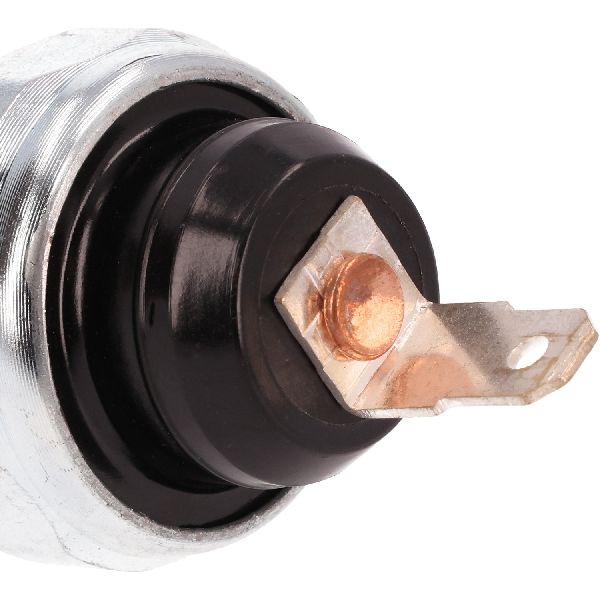
On GM engines from this era, the oil pressure switch is usually found screwed into the engine block. Common locations are near the distributor, behind the intake manifold, or on the side of the block above the oil filter. You will see a single wire attached to its terminal.
Can I replace this part myself?
Yes, this is a very DIY-friendly job for most owners. It typically requires only basic hand tools, such as a wrench or a special oil pressure switch socket. The process involves disconnecting the wire, unscrewing the old switch, screwing in the new one, and reconnecting the wire. A small amount of oil may drip out when you remove the old switch.
Technical Specifications
Typically features a single terminal for the wire connection and a 1/8" NPT thread size. The specific pressure rating varies depending on whether it is for a gauge or a warning light.
We Have This Part in Stock


The information in this article is provided for general reference and educational purposes only. Vehicle specifications, procedures, and part compatibility can vary by production date, trim level, and region. Always consult your vehicle's factory service manual and verify part numbers before purchasing or performing repairs. Safety-critical components such as airbags, seat belts, and braking systems should be installed by a qualified professional.