

Engine Coolant Bypass Hose for the 1966-1967 Fargo D200 Panel Delivery
Understand the function, failure symptoms, and replacement of this critical hose to keep your classic Fargo's engine safe.
- A leaking bypass hose can cause catastrophic engine overheating; do not ignore coolant leaks or sweet smells.
- Since Fargo and Dodge D200 trucks are mechanically identical, parts for the Dodge D200 will fit your Fargo.
- New OEM parts are not available; a quality aftermarket brand like Gates provides a modern, reliable replacement that often exceeds original quality.
- Always verify your truck's engine (e.g., Slant 6 or V8) before ordering to ensure you get the correct molded hose.
Understanding the Engine Coolant Bypass Hose on Your Classic Fargo
On a vintage truck like the 1966-1967 Fargo D200 Panel Delivery, rubber components are often the first parts to fail due to age. The engine coolant bypass hose is no exception. This hose is constantly exposed to high temperatures and pressure, causing it to become hard, brittle, and cracked over time. A failure can lead to rapid coolant loss and serious engine overheating. It's important to remember that Fargo trucks of this era were rebadged Dodge trucks, so parts and mechanical knowledge for the 1966-1967 Dodge D200 apply directly to your Fargo.
Signs of a Failing Bypass Hose
Catching a bad hose early can save you from a breakdown and expensive engine repairs. Look for these clear warning signs:
- Coolant Leaks: This is the most common symptom. You may find puddles of green or yellow fluid under the front of your truck. You might also see dried, crusty coolant residue on or near the hose itself.
- Sweet Smell: A distinct, sweet syrupy smell from the engine bay is a classic sign of a coolant leak, even if you can't see a puddle. The coolant is likely leaking onto a hot engine part and evaporating.
- Visible Hose Damage: Squeeze the hose when the engine is cool. A healthy hose should be firm but flexible. If it feels rock-hard, mushy, or looks swollen and bloated, it is failing internally and needs immediate replacement.
- Engine Overheating: If the hose fails completely, you will lose coolant rapidly, causing the engine temperature gauge to climb into the red zone. This can cause severe engine damage in a very short time.
Do Not Ignore a Leaking Hose
Even a small leak can turn into a big problem. A hose can burst without warning, leading to a rapid loss of coolant and catastrophic engine damage like a warped cylinder head or cracked block. It is not recommended to drive with a known coolant leak.
Choosing the Right Aftermarket Bypass Hose
Original Equipment (OEM) hoses for a vehicle of this age are virtually nonexistent. Fortunately, modern aftermarket parts are not a compromise; they are often superior to the originals thanks to advanced rubber compounds that better resist heat and chemical degradation. The most important factor is getting the correct hose for your truck's specific engine, as the Slant-6 and V8 engines used different parts.
Brand Quality: Gates
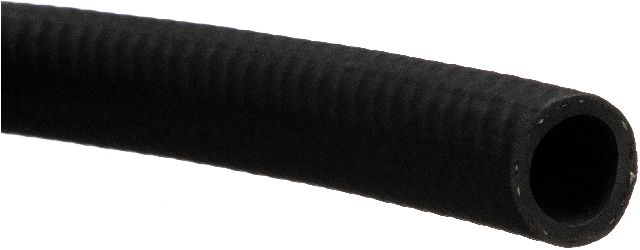
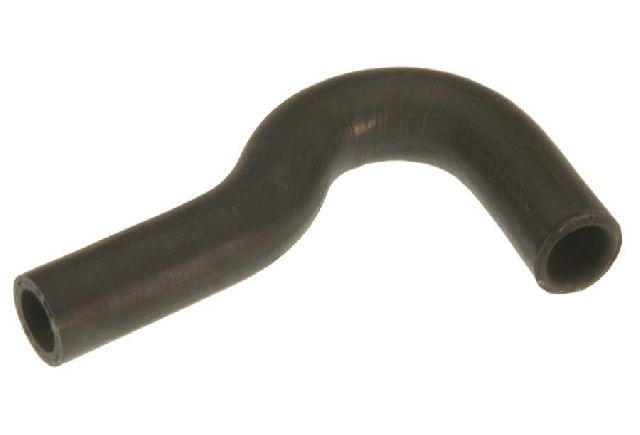
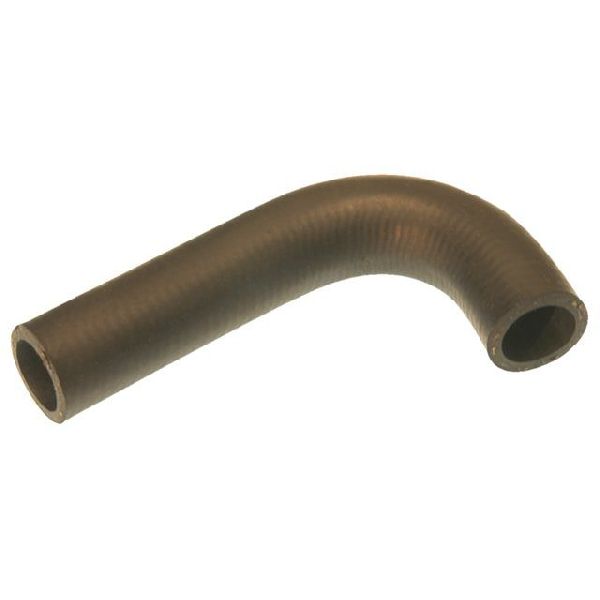
Gates is a top-tier aftermarket brand, widely respected by mechanics and classic truck owners for its quality, durability, and fitment. Their molded hoses are pre-shaped to match the original's bends, which is crucial for avoiding kinks that can restrict coolant flow. Gates hoses are made with modern EPDM rubber, engineered to resist electrochemical degradation—a common cause of hose failure from the inside out. For a classic Fargo, a quality Gates hose is a reliable choice for a long service life.
Estimated Replacement Costs
| Part/Service | Estimated Cost | Notes |
|---|---|---|
| New Aftermarket Bypass Hose (Gates) | $16.58 - $81.22 | Price varies by engine type (Slant-6 vs. V8) and specific hose design. |
| Shop Labor | $75 - $150 | Estimated 0.5-1.0 hours of labor. |
| New OEM Hose | Not Available | Original parts are no longer produced for this vehicle. |
Pro Tip: Always replace the hose clamps when you install a new hose. Old clamps can lose their tension over time and cause leaks, even with a brand new hose. Using new spring-style or liner clamps can provide a better seal than standard worm-gear clamps.
Frequently Asked Questions
Can I replace the engine coolant bypass hose myself?
Yes, this is a DIY-friendly job for someone with basic mechanical skills. The process involves draining some coolant, removing the old hose and clamps, installing the new parts, and topping off the coolant. Always work on a cool engine to avoid burns.
Why is there a big price difference for the same hose?
The price variation ($16.58 - $81.22) is typically due to the hose's complexity. Molded hoses, which are pre-shaped to fit a specific engine layout perfectly, cost more than simple straight or 'cut-to-fit' hoses. Hoses for larger V8 engines may also be more complex and expensive than those for a Slant-6.
Can I use a straight piece of hose instead of a molded one?
It is not recommended. Using a straight hose where a molded one is required can cause it to kink, which restricts coolant flow and can lead to overheating. A molded hose from a brand like Gates ensures a perfect fit without kinks.
What kind of coolant should I use in my 1966 Fargo D200?
For classic trucks like the Fargo D200, a conventional green or yellow IAT (Inorganic Additive Technology) coolant is typically recommended. Mix it 50/50 with distilled water to prevent mineral buildup in the cooling system.
Are there any recalls for this part?
No, there are no active recalls or Technical Service Bulletins (TSBs) from the NHTSA for the engine coolant bypass hose on the 1966-1967 Fargo D200 or the equivalent Dodge D200. Failures are almost always due to the age and natural degradation of the rubber.
Technical Specifications
Material: EPDM Rubber. Design: Molded to fit specific engine applications (Slant-6 or V8). Resistant to heat, ozone, and chemical coolants.
We Have This Part in Stock

The information in this article is provided for general reference and educational purposes only. Vehicle specifications, procedures, and part compatibility can vary by production date, trim level, and region. Always consult your vehicle's factory service manual and verify part numbers before purchasing or performing repairs. Safety-critical components such as airbags, seat belts, and braking systems should be installed by a qualified professional.