

1966 GMC PB2500 Van Engine Oil Pressure Switch Replacement Guide
Keep your classic GMC's engine safe by understanding the signs of a failing oil pressure switch.
- A bad oil pressure switch can give false readings like zero pressure or an erratic gauge, but always check your oil level first to rule out a real engine problem.
- For a 1966 van, aftermarket parts are the standard, and brands like Standard Ignition are a trusted choice for reliability.
- Replacement is a simple, DIY-friendly job that most owners can complete in under an hour with basic tools and a special socket.
- No recalls or technical service bulletins were found related to the engine oil pressure switch for this specific vehicle.
Is Your Oil Light Lying? Signs of a Failing Switch
On a classic van like the 1966 PB2500, the oil pressure switch is a common part to fail from age, heat, and vibration. Because this part is your main warning system for engine lubrication, you should address any problems immediately. A bad switch can either create panic for no reason or, worse, give you a false sense of security.
Look for these common signs of failure:
- Flickering or Erratic Gauge: The needle on the oil pressure gauge may jump around randomly, flicker, or swing from high to low for no reason.
- Gauge Reads Zero or is Maxed Out: A very common symptom is the gauge showing no oil pressure at all, even when the engine is running and sounds fine. It might also get stuck at the highest reading.
- Oil Warning Light Stays On: If your van has a warning light instead of a gauge, it might stay on constantly or flicker, even if the oil level is full.
- Visible Oil Leak: The switch itself can develop a leak over time. You might see oil seeping from the sensor's body, threads, or electrical connector.
Important: Check Your Oil First!
Never assume a warning light or low gauge reading is just a bad switch. Always check the engine oil level with the dipstick immediately. If the oil level is low, top it off. If the engine is making any ticking, grinding, or knocking noises, shut it off immediately and do not drive. A new switch cannot fix a real low oil pressure problem.
Choosing the Right Aftermarket Switch
For a 1966 vehicle, new Original Equipment Manufacturer (OEM) parts are generally not available. Aftermarket parts are the industry standard for keeping these classic vans on the road. The good news is that this is a simple part, and reputable aftermarket brands produce reliable replacements.
- Standard Ignition (Standard Motor Products): Often referred to as SMP, this is a well-known and trusted brand in the auto repair community. They have been making quality replacement parts for decades and are a reliable choice for a critical sensor like this. Many of their switches come with thread sealant pre-applied for an easier installation.
- Global Parts: This brand often provides a more budget-friendly option for various automotive components. While perhaps not as widely known as Standard, it offers a functional replacement for owners looking for value.
Pro Tip: For a part this critical and inexpensive, choosing a reputable brand like Standard Ignition is a wise investment for long-term reliability and peace of mind.
Cost of a New Engine Oil Pressure Switch (1966 GMC PB2500 Van)
| Part Type | Estimated Cost |
|---|---|
| New Aftermarket (Global Parts, Standard Ignition) | $15.89 - $16.58 |
| Shop Labor | $55 - $110 |
| New OEM | Not Generally Available |
Frequently Asked Questions (FAQ)
Where is the oil pressure switch located on my 1966 GMC PB2500 Van?
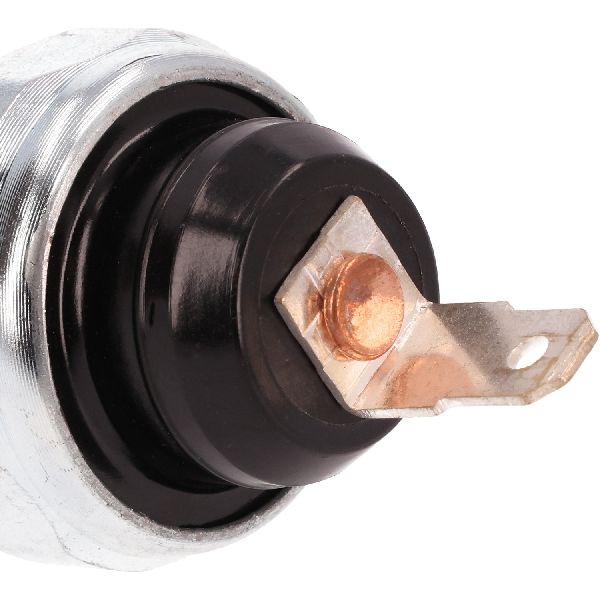
On classic GMC engines of this era, such as the V6 or inline-6, the oil pressure switch is typically screwed into the engine block. The most common location is at the top rear of the engine, near the distributor and firewall. It may also be located on the side of the block, often near the oil filter. It is a small, often bell-shaped sensor with a single wire attached.
Can I replace the oil pressure switch myself?
Yes, this is a very DIY-friendly job suitable for beginners. It usually takes less than an hour and requires basic hand tools. You will likely need a special deep socket designed for oil pressure switches to avoid damaging the new part.
What happens if I ignore a bad oil pressure switch?
The biggest danger is that the switch fails to warn you of a real low-pressure event, which can lead to catastrophic engine failure. If the switch is faulty and causing the light to stay on, you might get used to ignoring it and not notice when a real problem develops. Because the part is inexpensive, it should be replaced as soon as it is suspected to be bad.
Do I need to use thread sealant on the new switch?
Yes, it is highly recommended to prevent oil leaks. Many new switches from brands like Standard Ignition come with sealant already applied to the threads. If not, apply a small amount of a suitable thread sealant before installation.
Technical Specifications
The switch is a single-terminal unit. The most common thread size for this generation of GM engines is 1/8" NPT, but this should always be verified for your specific engine.
We Have This Part in Stock


The information in this article is provided for general reference and educational purposes only. Vehicle specifications, procedures, and part compatibility can vary by production date, trim level, and region. Always consult your vehicle's factory service manual and verify part numbers before purchasing or performing repairs. Safety-critical components such as airbags, seat belts, and braking systems should be installed by a qualified professional.