

1966 GMC PB2500 Van Accessory Drive Belt and V-Belt Guide
Keep your classic GMC van's engine components powered by understanding its V-belt system.
- Your 1966 GMC van uses multiple V-belts, not a single serpentine belt. Each key accessory has its own belt.
- Squealing noises are a primary indicator of a loose or worn belt that needs attention.
- A broken water pump belt will cause rapid overheating. Pull over immediately if the temperature gauge spikes.
- Gates is a reputable aftermarket brand for this application; OEM parts are no longer available.
Understanding Your Van's V-Belt System
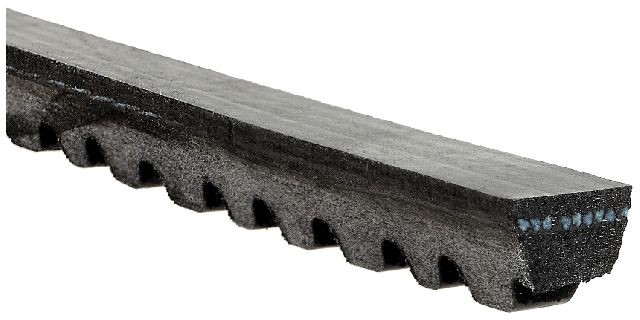
The 1966 GMC PB2500 Van was built in an era of simple, robust engineering. Its accessory drive system uses multiple V-belts, which are named for their V-shaped cross-section that grips the pulleys. This is different from a modern serpentine belt that snakes around all the pulleys as one single belt. Your van likely has separate belts for the alternator and the water pump, and potentially a third for power steering if your van has that option. These belts transfer power from the engine's spinning crankshaft to keep these vital parts running.
Symptoms of a Failing V-Belt
A failing V-belt provides clear warning signs. Paying attention to them can prevent a breakdown.
- Squealing Noises: This is the most common symptom. A loud squeal, especially on startup or when accelerating, usually means a belt is loose and slipping.
- Visible Wear or Damage: A visual inspection can reveal a lot. Look for cracks, frayed edges, or sections of the belt that look shiny or glazed. These are signs the rubber is old and brittle.
- Accessory Malfunctions: If a specific part stops working, its belt may have failed. A battery light on the dash points to a failed alternator belt. A rapidly rising temperature gauge means the water pump belt has likely snapped. If steering becomes extremely difficult, the power steering belt is the probable cause.
Critical Failure Warning
If the belt that drives the water pump breaks, your engine will overheat very quickly. If you see the temperature gauge climb into the red, pull over immediately and shut off the engine to prevent severe, permanent engine damage.
Choosing the Right Aftermarket V-Belts
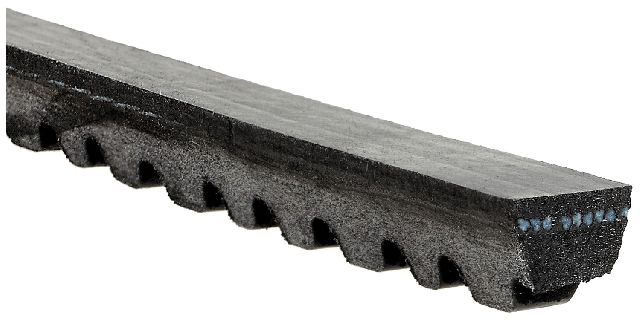
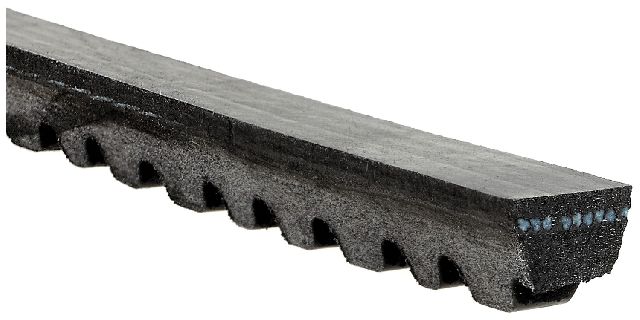
For a 1966 vehicle, new original equipment manufacturer (OEM) parts are no longer produced. The market consists entirely of aftermarket parts. Fortunately, brands like Gates are reputable, long-standing manufacturers that often supply parts to vehicle makers directly. Forum discussions among classic vehicle owners show that Gates is a trusted brand for V-belts, known for good quality and durability. When shopping, you will need to buy a separate belt for each accessory. The most important factor is getting the correct length and width for each specific belt loop.
Pro Tip: Replace Belts in Sets
If one V-belt is old enough to fail, the others are likely not far behind. It is good practice to replace all the drive belts at the same time. This saves you from having to do the job multiple times and provides peace of mind. Also, always check the condition of the pulleys; worn or misaligned pulleys can destroy a new belt quickly.
Estimated Replacement Costs
Replacing V-belts is an affordable repair. The main cost is labor if you take it to a shop, but the parts themselves are inexpensive.
| Part Type | Estimated Cost (Per Belt) |
|---|---|
| New Aftermarket (e.g., Gates) | $25 - $30 |
| Shop Labor | $75 - $150 |
Cost estimates are for individual parts and labor and can vary by location and shop. The price range for aftermarket parts reflects the inventory available for the 1966 GMC PB2500 Van.
Frequently Asked Questions (FAQ)
Are there any recalls for my 1966 GMC PB2500 Van's drive belts?
No, a search of the National Highway Traffic Safety Administration (NHTSA) database shows no recalls for accessory drive belts for this vehicle. Any failures are due to the age and normal wear of the components.
How do I know which belt to buy?
Your van's engine configuration determines which belts you need. The 1966 PB2500 could have been equipped with an inline-six or a V6 engine. You will need to identify your engine and which accessories you have (like power steering) to find the correct belts. It is often best to measure the old belts or check part numbers if they are still visible.
Is Gates a good brand for V-belts?
Yes, Gates is widely considered a high-quality, tier-one supplier of belts for both OEM and aftermarket applications. Owners of various vehicles, including classics, generally report positive experiences with Gates belts.
Can I replace the V-belts myself?
Yes, for a mechanically inclined owner with basic tools, replacing the V-belts on this van is a very feasible DIY job. The engine bay is relatively open, and the tensioning mechanisms are simple, usually involving loosening the alternator or power steering pump to create slack.
Technical Specifications
The 1966 GMC PB2500 Van uses a multiple V-belt system. Standard engines included a 250 cu. in. Inline-6 or an optional GMC V6. The exact belt length and profile depend on the specific engine and accessory combination (e.g., with or without power steering).
We Have This Part in Stock

The information in this article is provided for general reference and educational purposes only. Vehicle specifications, procedures, and part compatibility can vary by production date, trim level, and region. Always consult your vehicle's factory service manual and verify part numbers before purchasing or performing repairs. Safety-critical components such as airbags, seat belts, and braking systems should be installed by a qualified professional.