

A Guide to the Starter Motor for the 1966 GMC P1000
Get your classic 1966 GMC P1000 starting reliably with the right replacement starter motor.
- For a 1966 GMC P1000, you will be buying a new or remanufactured aftermarket starter, as new OEM parts are not available.
- Always verify your engine type (e.g., I6, V6, V8) before ordering to ensure you get the correct part, as different engines require different starters.
- Symptoms like a single click, slow cranking, or grinding noises point toward a failing starter, but always check the battery and cables first.
- Replacing the starter is a feasible DIY job for those with basic tools and mechanical experience, typically taking under two hours.
Is Your 1966 GMC P1000 Hard to Start?
A failing starter can be a major headache, leaving you stranded. In a classic workhorse like the 1966 GMC P1000, the starting system is straightforward but essential. Over decades of use, the original starter can wear out. Before blaming the starter, always ensure your battery is fully charged and the cable connections are clean and tight, as a weak battery or bad grounds can mimic starter problems on these older vehicles.
Common Symptoms of a Failing Starter
A starter motor on a vehicle of this age rarely fails without warning. Paying attention to these signs can keep you from getting stranded.
- Single Loud Click: You turn the key and hear one solid 'click', but the engine doesn't crank. This often points to a bad starter solenoid, which is part of the starter assembly.
- Slow, Labored Cranking: The engine turns over very slowly, as if the battery is weak, even when you know it's fully charged. This can mean the starter motor itself is worn out and drawing too much power.
- Grinding Noise: A harsh grinding sound when you try to start the engine can mean the starter's gear is damaged or not meshing correctly with the flywheel. This could require adjusting shims during installation.
- No Sound at All: If you turn the key and nothing happens, but your lights work, the starter may have failed completely.
- Intermittent Starting: The truck starts fine one day but refuses the next. This is a classic sign of a starter that is about to fail completely.
Choosing a New Aftermarket Starter
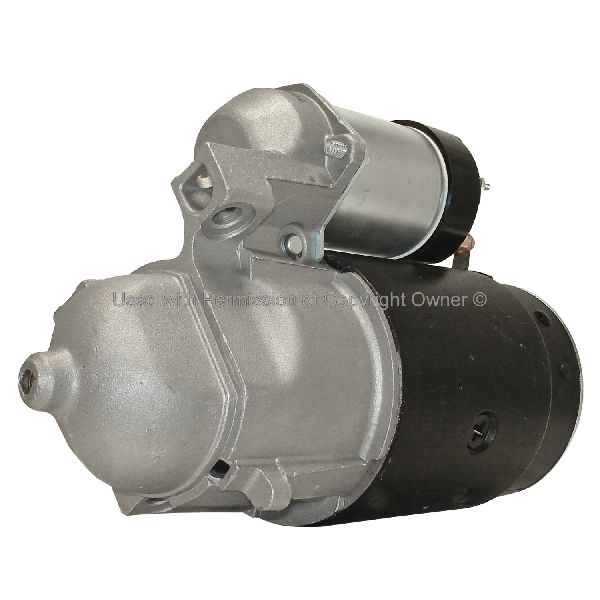
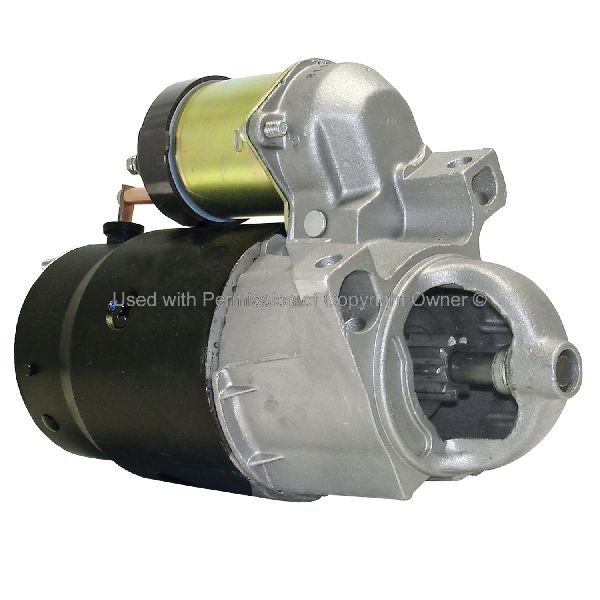
For a vintage truck like the 1966 P1000, finding a brand-new Original Equipment (OEM) starter is nearly impossible. Your choice is between a rebuilt original part, a used part, or a new aftermarket starter. While rebuilt parts can be good, their quality varies. A new aftermarket starter from a reputable manufacturer like MPA (Motorcar Parts of America) offers a reliable solution built to modern standards.
New vs. Remanufactured
New aftermarket starters are made with 100% new components, offering the best reliability and longevity. Remanufactured starters are original units that have been rebuilt. While often cheaper, their quality can vary, and they may require a "core charge" until you return your old part. For a classic vehicle, a new aftermarket part provides peace of mind.
A Note on Heat Soak
A common problem on older GM vehicles, especially those with V8 engines, is "heat soak." This occurs when the starter gets very hot from the nearby exhaust manifold. When hot, it won't work, but it may start again after cooling down for 15-30 minutes. While a standard replacement will work, a modern gear-reduction starter is often the best permanent solution for this issue.
Cost of a New Starter Motor (1966 GMC P1000)
| Part or Service | Estimated Cost |
|---|---|
| New Aftermarket Starter (MPA) | $94.84 - $223.94 |
| Remanufactured Starter | $70 - $180 |
| Shop Labor | $100 - $225 |
| Total Professional Replacement | $195 - $450 |
Frequently Asked Questions (FAQ)
Is it hard to replace the starter on a 1966 GMC P1000?
No, it is generally considered an easy to moderate job for a DIY mechanic. Access is usually good from underneath the truck. The process involves disconnecting the battery, raising the vehicle safely, removing the electrical connections and two or three mounting bolts, and swapping the old starter for the new one. It typically takes 1-2 hours.
Are there any recalls for the starter on my 1966 GMC P1000?
No, there are no active recalls or Technical Service Bulletins (TSBs) from the NHTSA for the starter motor on a 1966 GMC P1000. Any issues you experience are due to the age and normal wear of the original components.
What are starter shims and do I need them?
Starter shims are thin metal spacers used to create the correct distance between the starter gear and the engine's flywheel. On older GM vehicles, proper shimming is sometimes needed to prevent grinding noises and damage. If your old starter used shims, you should install the new one with the same shims. If you hear a grinding noise after installation, you may need to add or adjust them.
How do I know if it's the starter or just a dead battery?
First, check your lights. If the headlights and interior lights are bright, the battery is likely okay, and the starter is the probable cause. If the lights are dim or don't come on at all, the battery is the first thing to check. If you try to jump-start the truck and it still won't crank, the starter is almost certainly the problem.
Technical Specifications
Voltage: 12V. Fitment is specific to engine type (e.g., 3.8L 6-Cylinder). May require shims for proper installation.
We Have This Part in Stock

The information in this article is provided for general reference and educational purposes only. Vehicle specifications, procedures, and part compatibility can vary by production date, trim level, and region. Always consult your vehicle's factory service manual and verify part numbers before purchasing or performing repairs. Safety-critical components such as airbags, seat belts, and braking systems should be installed by a qualified professional.