

1966 GMC P1000 Engine Oil Pressure Switch and Sender Guide
Keep your GMC P1000's engine safe by understanding the signs of a failing oil pressure switch.
- Symptoms include a flickering oil light, a gauge that reads incorrectly, or oil leaking from the switch itself.
- Always confirm the engine's actual oil pressure with a mechanical gauge before assuming the switch is the only problem.
- Replacement is simple for a DIYer and requires basic tools; ensure you buy a 'switch' for a light or a 'sender' for a gauge.
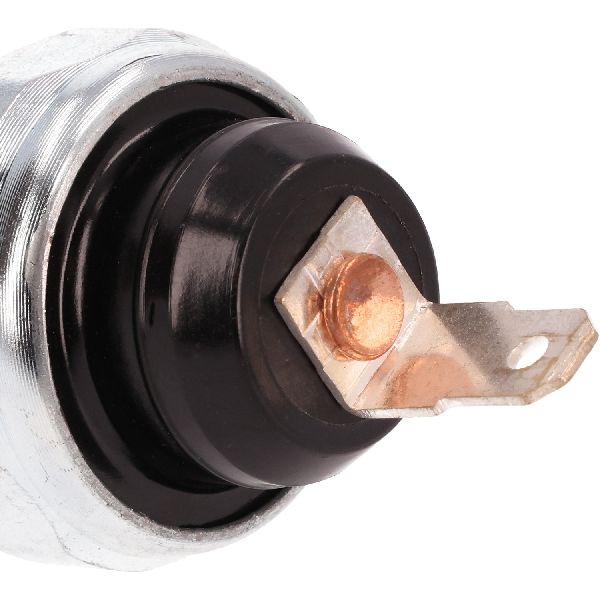
- Choosing a reputable aftermarket brand like Standard Ignition can provide better reliability and accuracy.
Is Your Oil Pressure Light or Gauge Acting Up?
For a vintage workhorse like the 1966 GMC P1000, the oil pressure switch is a common part to fail due to age. The internal components can wear out, and seals can become brittle. Since this part is your primary defense against engine-destroying oil starvation, it's important to address symptoms immediately.
Symptoms of a Failing Oil Pressure Switch
A bad oil pressure switch can give false readings, either causing unnecessary panic or, more dangerously, failing to warn you of a real problem. Here’s what to look for:
- Flickering or Constant Oil Light: The most common sign is the oil pressure warning light on your dashboard flickering or staying on, especially if you've checked the oil level and it's full.
- Incorrect Gauge Readings: If you have a pressure gauge, a bad sending unit can cause the needle to behave erratically, swinging from low to high for no reason. It might also get stuck at zero or at the maximum reading, even when the engine is off.
- Visible Oil Leaks: The switch or sender itself can develop leaks over time. You may see oil residue on the sensor body or notice drips on the ground originating from its location on the engine block.
Don't Ignore the Warning
Never assume the switch is bad without confirming. If your oil light comes on or the gauge reads low, immediately check your engine oil level. If the level is good, it's wise to have the actual oil pressure tested with a mechanical gauge to rule out a serious internal engine problem before replacing the switch.
Choosing the Right Aftermarket Part
For a 1966 vehicle, new Original Equipment Manufacturer (OEM) parts are no longer available. Your only option is the aftermarket, where quality can vary. The key is to choose a brand with a solid reputation.
- Premium Aftermarket (e.g., Standard Ignition): Brands like Standard Motor Products have a long history of producing reliable electronic components. They often invest in better materials and quality control, such as computer-controlled pressure calibration. For a critical part like this, spending a little more for a trusted name is a good investment.
- Standard/Economy Aftermarket (e.g., Global Parts, store brands): These parts are more affordable and can be a viable option. However, their manufacturing tolerances and material quality may not be as consistent as premium brands. They may have a shorter service life or be less accurate out of the box.
| Part Type | Price Range |
|---|---|
| New Aftermarket | $15.89 - $62.07 |
| New OEM | Not Available |
Pro Tip: Sender vs. Switch
Make sure you buy the right part for your dash. A "switch" is for a simple warning light (on/off). A "sending unit" or "sender" is for a variable pressure gauge. They are not interchangeable. Check your specific P1000's setup before ordering.
Frequently Asked Questions (FAQ)
Where is the oil pressure switch located on a 1966 GMC P1000?
On most GM engines from this era, the oil pressure switch is threaded directly into the engine block. Look for a small, one- or two-wire sensor typically located near the oil filter or near the distributor. Access may require working around other engine components.
What happens if I ignore a bad oil pressure switch?
If the switch is faulty and not warning you of a real low-pressure situation, you could suffer catastrophic engine failure without any warning. If the switch is giving false high readings, you might ignore a developing problem. It's a cheap part to replace for peace of mind.
Can I replace the oil pressure switch myself?
Yes, this is a very DIY-friendly job for most home mechanics. It typically requires only basic hand tools, such as a special oil pressure switch socket or a wrench. The process involves disconnecting the wire, unscrewing the old switch, applying thread sealant to the new one, screwing it in, and reconnecting the wire.
Should I use thread sealant on the new switch?
Yes, it is highly recommended to use a thread sealant appropriate for oil and gas on the threads of the new switch to prevent leaks. Some new switches come with sealant pre-applied. Do not use excessive amounts, and avoid getting any sealant on the sensor tip.
Technical Specifications
Varies by engine type. Typically a single-wire connection. Thread size and pressure rating must match the original part.
We Have This Part in Stock


The information in this article is provided for general reference and educational purposes only. Vehicle specifications, procedures, and part compatibility can vary by production date, trim level, and region. Always consult your vehicle's factory service manual and verify part numbers before purchasing or performing repairs. Safety-critical components such as airbags, seat belts, and braking systems should be installed by a qualified professional.