

1966 GMC K1000 Pickup Engine Oil Pressure Switch & Sender Guide
Keep an accurate eye on your engine's health by understanding and choosing the right oil pressure sensor for your classic truck.
- First, determine if your truck has a gauge (needs a 'sending unit') or a warning light (needs a 'switch').
- A bad reading does not automatically mean a bad engine; the sensor is a common failure point and easy to replace.
- If you see a low pressure warning, always verify with a mechanical gauge before continuing to drive to avoid potential engine damage.
- Replacement is a simple, DIY-friendly job that requires basic hand tools and less than an hour.
Switch vs. Sender: Know What Your Truck Needs
Before buying a part, you must know if your truck has an oil pressure warning light or a physical gauge. These are two different systems that use different parts.
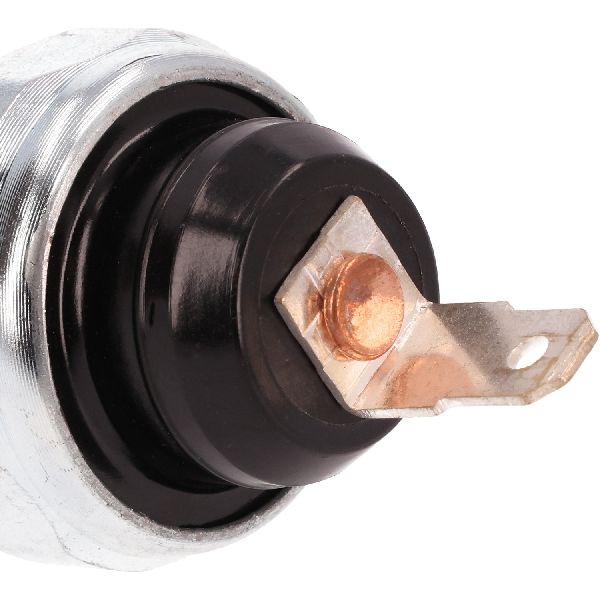
- Oil Pressure Switch: This is a simple on/off switch. If oil pressure drops below a safe level (around 5-7 PSI), the switch closes and completes a circuit to turn on the red 'OIL' or 'GEN' light on your dash. It does not provide a variable reading.
- Oil Pressure Sending Unit: This is a variable resistor. It sends a changing signal to the dashboard gauge that corresponds to the actual oil pressure, causing the needle to move. A sending unit is physically larger than a simple switch, often resembling a small canister.
Crucial First Step: Look at your dashboard. If you have a gauge with numbers (e.g., 0-60), you need a sending unit. If you only have a warning light, you need a switch. Ordering the wrong one will not work.
Symptoms of a Failing Oil Pressure Switch or Sender
A bad sensor can cause a lot of worry. Luckily, the part itself is usually the problem, not your engine. Here’s what to look for:
- Oil Pressure Gauge Reads Zero or Maxed Out: The most common symptom for a failed sending unit is the gauge showing no pressure or being pegged at its highest reading, even when the engine is running fine.
- Flickering or Incorrect Oil Light: A faulty switch can cause the oil pressure warning light to flicker or stay on, even when the oil level and pressure are fine.
- Erratic Gauge Readings: The needle on the gauge may jump around randomly, not reflecting the true engine RPM or load.
- Oil Leak from the Sensor: Over time, the sensor's housing can fail or the seal can degrade, causing a noticeable oil leak directly from the switch or sender itself.
Choosing the Right Aftermarket Part
For a 1966 vehicle, new original GM parts are no longer available. Aftermarket is the most practical and often only choice. The technology in these sensors is simple, and modern aftermarket parts are reliable.
Your choice often comes down to balancing price and quality for your specific needs.
Aftermarket Brand Tiers
| Brand Tier | Brands | Our Take |
|---|---|---|
| Good | Global Parts | This is a functional, budget-friendly option that will get the job done. For a truck that is driven occasionally or for an owner on a tight budget, it's a perfectly acceptable choice. |
| Best | Standard Ignition (SMP) | Standard Motor Products has a long-standing reputation for making high-quality, durable electronic parts for classic vehicles. For a critical component that monitors your engine's lifeblood, investing a few extra dollars in a premium brand like Standard provides peace of mind and ensures accurate readings for years to come. |
Pro Tip: Verify with a Mechanical Gauge
If your dash gauge or light indicates a low oil pressure problem, it's wise to confirm the reading before assuming the worst. A mechanic can temporarily install a mechanical oil pressure gauge to test the engine's actual oil pressure. This quick test can confirm if you just need a new sensor or if there is a more serious internal engine issue.
Frequently Asked Questions (FAQ)
Where is the oil pressure sensor located on a 1966 GMC K1000?
On GMC V6 or inline-6 engines from this era, the oil pressure sensor is typically located on the driver's side of the engine block, often near the oil filter head or at the top rear of the engine near the distributor. It will have a single wire connected to it.
Is this a difficult part to replace myself?
No, this is a very beginner-friendly job. It usually involves unplugging the single wire, using a wrench or a special oil pressure switch socket to unscrew the old unit, applying thread sealant to the new unit, and screwing it in. The entire process should take less than 30 minutes.
Do I need a special tool?
Sometimes. While a standard deep socket or wrench may fit, auto parts stores sell a specific 'Oil Pressure Switch Socket' that is designed to fit the unique shape of these sensors perfectly, reducing the risk of damage. It's a cheap and useful tool to have.
My new gauge reading is different than my old one. Is it broken?
Not usually. Different brands of sending units can be calibrated slightly differently. It's common for a new sender to cause the gauge to read slightly higher or lower than the old one did. As long as the gauge shows a steady, appropriate pressure and reacts to changes in engine speed, it is working correctly.
Will a bad oil pressure switch cause a Check Engine Light?
No. Your 1966 GMC K1000 was built long before Check Engine Lights and diagnostic codes (like P-codes) were used. A bad sensor will only affect the dashboard gauge or warning light.
Technical Specifications
Vehicle may be equipped with either a switch (for a warning light) or a sending unit (for a pressure gauge). The correct part must be selected based on the vehicle's dashboard configuration.
We Have This Part in Stock


The information in this article is provided for general reference and educational purposes only. Vehicle specifications, procedures, and part compatibility can vary by production date, trim level, and region. Always consult your vehicle's factory service manual and verify part numbers before purchasing or performing repairs. Safety-critical components such as airbags, seat belts, and braking systems should be installed by a qualified professional.