

1966 GMC K1000 A/C System Valve Core and Cap Kit: A Mechanic's Guide
Leaking A/C service ports are a common issue on classic trucks; here’s what you need to know to fix it right.
- Identify your refrigerant type (R-12 or R-134a) before buying parts, as the valve cores are different.
- Leaking valve cores are a very common failure point on older A/C systems, causing loss of cooling.
- Replacement requires professional equipment to recover and recharge the refrigerant; this is not a simple DIY job.
- For this part, aftermarket brands like Four Seasons or Global Parts are perfectly acceptable; focus on getting the right size.
- Always replace both high-side and low-side valve cores and caps at the same time.
Is Your K1000's A/C Not Blowing Cold? Check The Service Ports
If the air conditioning in your 1966 GMC K1000 isn't as cold as it used to be, or doesn't work at all, you may be low on refrigerant. One of the most common places for refrigerant to leak on any vehicle, including classic GM trucks, is from the service port valve cores. These are similar to the air valve on your tires. The tiny rubber seals inside them degrade after decades of use, allowing refrigerant to slowly escape. Replacing them is a necessary part of maintaining your A/C system.
Important: R-12 vs. R-134a Refrigerant
Your 1966 K1000 originally came with an R-12 refrigerant system, if it had factory air at all. Many of these trucks have since been converted to use modern R-134a refrigerant or have had complete aftermarket A/C systems installed. The service ports and valve cores for R-12 and R-134a are different. Before ordering a kit, you must identify which type of refrigerant and service ports your truck has. R-134a conversion fittings are typically larger and will be screwed on over the original R-12 ports.
Symptoms of a Failing A/C Valve Core
- Weak or No Cold Air: This is the most obvious sign. Low refrigerant means the system cannot cool the air effectively.
- Hissing from Service Ports: If you remove the service port cap and hear a faint hiss, the valve core is leaking.
- Oily Residue: A/C refrigerant contains oil. A leak will leave an oily, grimy residue around the service port cap.
- Compressor Clutch Doesn't Engage: If the refrigerant level is too low, a low-pressure safety switch will prevent the A/C compressor from turning on to protect it from damage.
Choosing the Right Aftermarket Kit
For a 1966 model, Original Equipment (OEM) parts are no longer available. Your only option is the aftermarket. The good news is that for a simple part like a valve core and cap kit, aftermarket quality is generally sufficient.
Available Brands: Four Seasons & Global Parts
Both Four Seasons and Global Parts are established names in the aftermarket A/C parts world. For basic components like valve cores, there is little practical difference in quality between them. Some forum users express a preference for Four Seasons based on brand reputation, but the most critical factor is ensuring the kit you buy is compatible with your truck's specific A/C system (R-12, R-134a, or other aftermarket setup).
Pro Tip: Buy a Master Kit
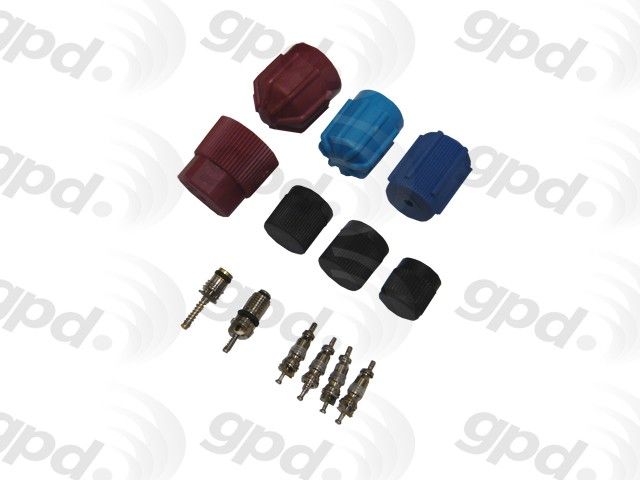
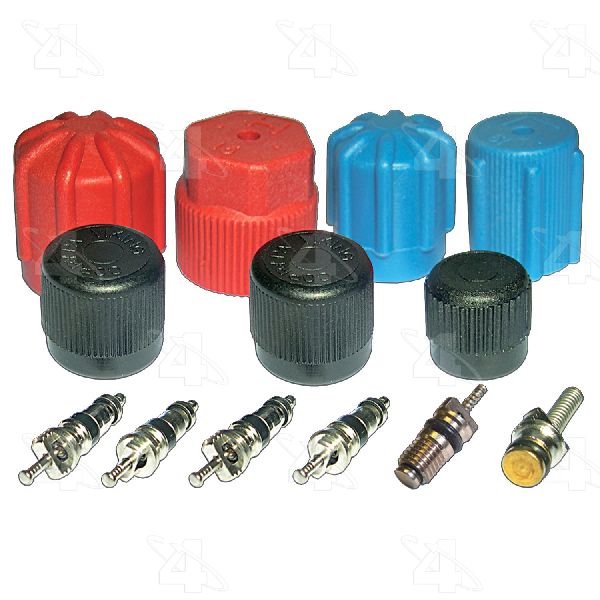
Because many of these classic trucks have had different A/C systems or modifications over the years, it can be difficult to know the exact valve core size you need. Consider purchasing a master kit that includes a variety of common valve core sizes. This can save you a trip back to the parts store.
Estimated Part & Labor Costs
Replacing A/C valve cores is inexpensive for parts but requires specialized equipment, which adds to the labor cost if you have a shop do the work.
| Item | Estimated Cost |
|---|---|
| New Aftermarket A/C Valve Core & Cap Kit | $8 - $23 |
| Shop Labor (Evacuate, Replace, Recharge) | $150 - $300 |
Frequently Asked Questions (FAQ)
Can I replace the A/C valve cores myself?
It is not recommended for a DIYer without the proper equipment. Legally and safely, the refrigerant in the system must be recovered by a professional with an EPA-certified machine before the system is opened. Once the valves are replaced, the system needs to be put into a deep vacuum to remove air and moisture before being recharged with the correct amount of refrigerant and oil.
Are there any recalls for the A/C system on my 1966 GMC K1000?
No. Searches of the National Highway Traffic Safety Administration (NHTSA) database show no recalls related to the A/C system for this vehicle.
Should I replace both the high-side and low-side valves at the same time?
Yes. If one valve core is failing due to age, the other is likely not far behind. Since the system must be evacuated for the repair, it is best practice and most cost-effective to replace both valve cores and caps at the same time.
What's more important, the valve core or the cap?
Both are important. The valve core is the primary seal, but the cap keeps dirt and debris out of the port, which can cause the valve to get stuck open or leak. The cap also provides a crucial secondary seal to contain any minor weeping from the valve core. Always install new caps with new valve cores.
Technical Specifications
Varies based on A/C system (Original R-12 or R-134a conversion)
We Have This Part in Stock

The information in this article is provided for general reference and educational purposes only. Vehicle specifications, procedures, and part compatibility can vary by production date, trim level, and region. Always consult your vehicle's factory service manual and verify part numbers before purchasing or performing repairs. Safety-critical components such as airbags, seat belts, and braking systems should be installed by a qualified professional.