

A Guide to the Alternator for the 1966 GMC I1000
Keep your classic I1000 running strong by understanding its charging system and how to choose the right replacement alternator.
- A new aftermarket alternator is a reliable and affordable upgrade over finding a used or remanufactured original part.
- Upgrading to a modern, internally regulated alternator is a common and highly recommended modification for reliability.
- If you upgrade to a higher amperage alternator, you must also upgrade the main charge wire to prevent a fire hazard.
- Symptoms like dimming lights, a whining noise, or a recurring dead battery strongly point to a failing alternator.
Signs of a Failing Alternator
On a classic truck like the 1966 GMC I1000, the signs of a bad alternator are usually obvious. The simple electrical system doesn't hide problems well. Paying attention to these warnings can keep you from getting stranded with a dead battery.
- Dim or Flickering Lights: This is the most common symptom. You may notice your headlights are dim when you're stopped at idle but get brighter when you press the gas. This means the alternator isn't producing enough power at low speeds.
- Battery Warning Light: Your dashboard might have a "GEN" or battery-shaped warning light. If this light comes on while you're driving, it's a direct signal that the charging system has a problem.
- Whining or Grinding Noises: A high-pitched whining or a low growling sound that changes with engine speed usually points to worn-out bearings inside the alternator.
- Weak or Dead Battery: If you have to jump-start your truck often, the alternator is likely the culprit. It's not recharging the battery as you drive, causing the battery to drain.
- Electrical Gremlins: A failing alternator can cause strange issues, like the radio cutting out or the heater fan running slower than usual.
Choosing the Right Aftermarket Alternator
For a vintage vehicle like the 1966 I1000, finding a "new" original equipment (OEM) part is nearly impossible. The market consists of new aftermarket parts, remanufactured units, and used parts.
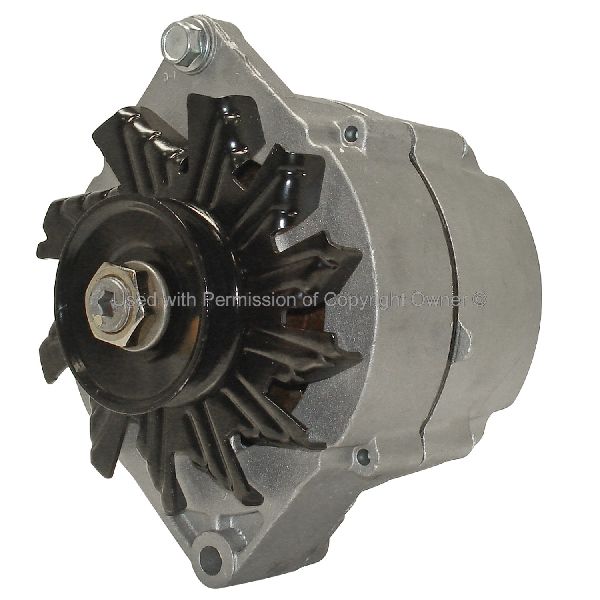
OEM vs. Aftermarket: Original alternators for the I1000 were externally regulated and had a low power output, often between 37 and 61 amps. This was enough for the truck's basic systems but is often inadequate for modern use, especially if you've added accessories like a better stereo or brighter lights. New aftermarket alternators, such as those from MPA, offer a significant upgrade. They are often internally regulated, which simplifies wiring and improves reliability by eliminating the original, failure-prone external voltage regulator. They also typically offer higher amperage to better support your truck's electrical needs.
Pro Tip: Upgrade Your Wiring
If you upgrade from a stock 40-amp alternator to a modern 100-amp unit, you must also upgrade the main charging wire that runs from the alternator to the battery. The original wire is too thin to handle the extra power and can overheat, creating a fire hazard.
Estimated Replacement Costs for a 1966 GMC I1000 Alternator
The cost to replace the alternator can vary based on the type of part you choose and whether you do the work yourself.
| Part Type | Estimated Part Cost | Notes |
|---|---|---|
| New Aftermarket | $40 - $120 | Offers modern technology like internal regulators and higher output. A common and recommended choice. |
| Remanufactured OEM | $50 - $150 | An original unit that has been rebuilt. May retain the original external regulator design. |
| Used OEM | $25 - $75 | A part from a salvage yard. Quality and lifespan are unknown. |
| Shop Labor | $100 - $200 | Expect 1-1.5 hours of labor at a professional shop. |
Frequently Asked Questions (FAQ)
Do I need a high-amperage alternator?
If your truck is completely stock with no added electrical accessories, the original output of around 40-60 amps is sufficient. However, if you have added or plan to add a modern stereo, electric cooling fans, or auxiliary lighting, upgrading to a higher-output alternator (e.g., 100 amps) is a wise investment to handle the extra load.
What does an "internally regulated" alternator mean?
Your 1966 I1000 originally came with an external voltage regulator, a separate part that controls the alternator's output. Many modern aftermarket alternators have this regulator built-in, which is called being "internally regulated." This is a more reliable and simpler setup, but it requires minor wiring changes to bypass the old external regulator.
Can I replace the alternator myself?
Yes, for someone with basic mechanical skills, this is a very feasible DIY job. The process involves disconnecting the battery, loosening the drive belt, unbolting the old alternator, and installing the new one. Access in the engine bay of a 1966 I1000 is generally good.
What is a "one-wire" alternator?
A "one-wire" alternator is an internally regulated alternator that is very popular for classic vehicle upgrades. It simplifies wiring greatly, requiring only a single heavy-gauge wire running from its output post directly to the battery. This is a common, clean-looking, and reliable modification.
Technical Specifications
The original 1966 GMC I1000 alternator was typically a Delco 10-DN model, which used an external voltage regulator and had a low amperage output, often between 37 and 61 amps.
We Have This Part in Stock

The information in this article is provided for general reference and educational purposes only. Vehicle specifications, procedures, and part compatibility can vary by production date, trim level, and region. Always consult your vehicle's factory service manual and verify part numbers before purchasing or performing repairs. Safety-critical components such as airbags, seat belts, and braking systems should be installed by a qualified professional.