

Choosing the Right Aftermarket Alternator for Your 1966 GMC 2500
Keep your classic GMC's electrical system reliable with a modern aftermarket alternator.
- Upgrading from an original generator to a modern aftermarket alternator is a significant reliability improvement for your 1966 GMC 2500.
- Symptoms of failure are straightforward: dimming lights, whining noises, and a battery that won't stay charged.
- Replacing the alternator is a simple DIY job that takes about an hour with basic tools.
- If you have added modern electronics, upgrade to a higher-amperage alternator (e.g., 100 amps) to handle the increased electrical load.
Understanding Your 1966 GMC 2500's Charging System
Your 1966 GMC 2500 sits at a crossroads of automotive technology. Many trucks of this era were originally equipped with a DC generator and an external voltage regulator. However, the alternator, which produces more consistent AC power (converted to DC), was becoming common. If your truck still has its original generator, upgrading to a new aftermarket alternator is one of the best reliability improvements you can make. Modern alternators, especially "one-wire" units, are internally regulated, simplifying wiring and providing a more stable charge, particularly at low engine speeds.
Signs of a Failing Alternator
On a classic truck with a simple electrical system, the warning signs of a failing alternator are usually very clear. Ignoring them can leave you stranded with a dead battery.
- Dim or Flickering Lights: Your headlights may appear dim at idle and then brighten as you increase engine RPM. This is a tell-tale sign the alternator is struggling to produce enough power.
- Whining or Grinding Noises: Sounds from the engine bay that change pitch with engine speed often point to worn-out bearings inside the alternator.
- Battery Warning Light: If your truck has a "GEN" or "ALT" light on the dash, it will light up if the charging system's output is too low.
- Dead Battery: An alternator that isn't charging will cause the battery to drain until it can no longer start the truck or run the ignition system.
A Note on V-Belts
Your 1966 GMC 2500 uses a V-belt to spin the alternator. A loose, worn, or glazed belt can cause charging problems that mimic a bad alternator. Always inspect the belt first; if it's cracked, shiny, or makes squealing noises, replace it before condemning the alternator.
Choosing the Right Aftermarket Alternator
When shopping for a new alternator, you have several options. For a vintage truck, a new aftermarket part is often a better choice than a remanufactured unit, as it contains all new components and often incorporates modern technology.
Brand Tiers:
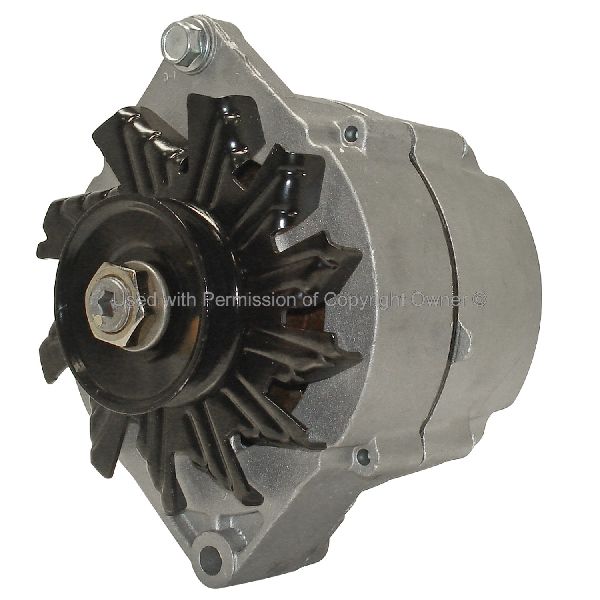
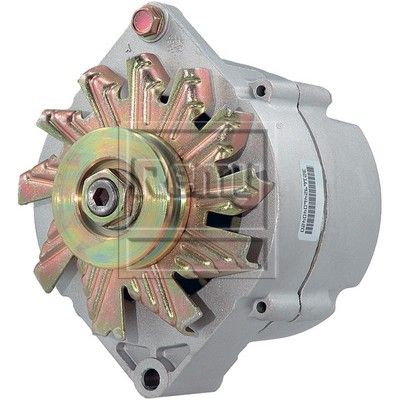
- Tier 1 (Good Quality): Brands like Remy and MPA (Quality-Built) are well-regarded in the aftermarket. Remy has a long history, and while many of their parts are now made overseas, they are generally considered reliable for daily drivers. MPA's Quality-Built line is also known for its testing and reliability.
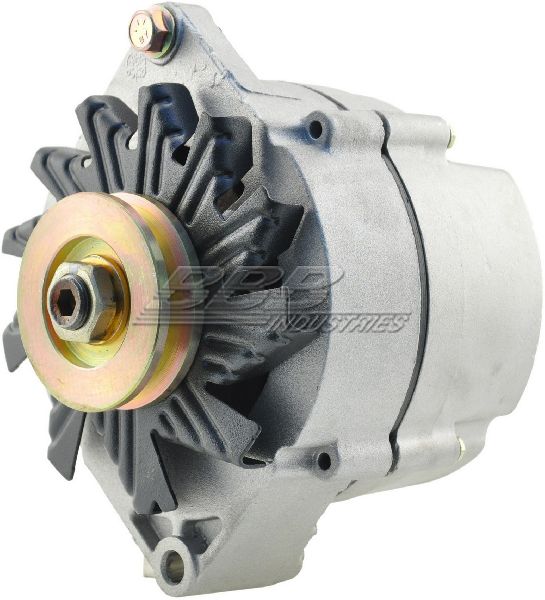
- Tier 2 (Standard/Value): BBB Industries is a major manufacturer that produces parts for many store brands. While some users report success, others have experienced premature failures, particularly with bearings. Quality can be inconsistent, but they offer a budget-friendly option.
Pro Tip: Consider an Amperage Upgrade
Original alternators from this era had very low output, often 37 to 60 amps. If you've added any modern electronics like a powerful stereo, electric cooling fans, or extra lights, you should upgrade to a higher-output alternator. A 100-amp unit is a popular and easy-to-find upgrade that will handle the extra electrical load with ease.
Cost to Replace a 1966 GMC 2500 Alternator
| Part Type | Estimated Cost |
|---|---|
| New Aftermarket Alternator | $40 - $123 |
| Shop Labor | $110 - $161 |
| Total Estimated Cost | $150 - $284 |
Note: Costs are estimates and can vary based on your location, the specific parts chosen, and your mechanic's labor rates. The job is highly DIY-friendly for those with basic tools.
Frequently Asked Questions
Do I need an external voltage regulator with a new alternator?
Almost all new aftermarket alternators are internally regulated. If you are replacing an original generator or an old externally regulated alternator, you will need to bypass the old external regulator. This usually involves simple wiring changes.
What is a "one-wire" alternator?
A one-wire alternator is an internally regulated unit that simplifies installation. It requires only one heavy-gauge wire running from its main output post directly to the positive battery terminal. This is a very popular conversion for classic trucks because it cleans up the engine bay and is easy to install.
Can I replace the alternator myself?
Yes, on a 1966 GMC 2500, this is a very straightforward job. The alternator is typically easy to access at the top of the engine. The process involves disconnecting the battery, loosening the mounting bolts to release tension on the V-belt, removing the old unit, and installing the new one. It usually takes less than an hour with basic hand tools.
Are there any recalls for the 1966 GMC 2500 charging system?
No, searches of the National Highway Traffic Safety Administration (NHTSA) database show no recalls related to the alternator or charging system for this vehicle. Given the vehicle's age, any such issues would have been addressed decades ago.
Technical Specifications
V-Belt Pulley, External Fan, 12V System. May be externally or internally regulated depending on original equipment or previous conversions. Common upgrades include one-wire, internally regulated units with 60-100 amp output.
We Have This Part in Stock

The information in this article is provided for general reference and educational purposes only. Vehicle specifications, procedures, and part compatibility can vary by production date, trim level, and region. Always consult your vehicle's factory service manual and verify part numbers before purchasing or performing repairs. Safety-critical components such as airbags, seat belts, and braking systems should be installed by a qualified professional.