

Dodge Coronet Speedometer Cable Guide: 1965-1976 Replacement
Fix your bouncing needle or dead speedometer with the right replacement cable for your classic Coronet.
- Verify your connection type: 1965-67 models often use a screw-on end at the speedometer, while 1968-76 models typically use a push-on style.
- Before installing a new cable, check that the speedometer head's input shaft spins freely to avoid breaking the new part.
- Always lubricate the new inner cable with grease before installation to ensure smooth operation and a long life.
- Measure your old cable to confirm the required length or choose a 'cut-to-fit' kit for custom applications.
Is Your Coronet's Speedometer Acting Up?
A faulty speedometer cable is a common issue on classic cars like the Dodge Coronet. Because the system is mechanical, the cable can wear out, break, or bind over time. The most frequent signs of a problem are a speedometer needle that bounces around, makes noise, or doesn't move at all. Replacing the cable is a straightforward job that can restore your speedometer's function and your confidence in how fast you're driving.
Symptoms of a Failing Speedometer Cable
- Bouncing or Wavering Needle: The speedometer needle jumps erratically instead of moving smoothly as you accelerate or decelerate. This is the most common symptom and is usually caused by the inner cable kinking or binding inside the housing due to lack of lubrication.
- No Speed Reading: The needle stays at 0 mph even when the car is moving. This typically means the inner cable has snapped or become disconnected from the transmission or the speedometer head.
- Squealing or Grinding Noises: You may hear a squealing or whining sound from behind the dashboard. This is often caused by a dry cable rubbing inside its housing.
- Odometer Stops Working: Since the cable drives both the speedometer and the odometer, a broken cable will also cause the mileage counter to stop.
Check the Speedometer Head First
Before you install a new cable, it's critical to check the speedometer head itself. Disconnect the old cable from the back of the instrument cluster and try to spin the input shaft with your fingers. If it doesn't turn freely, the speedometer head is seized. A seized head is often what causes a cable to break in the first place, and it will break your new cable, too.
Choosing the Right Aftermarket Cable
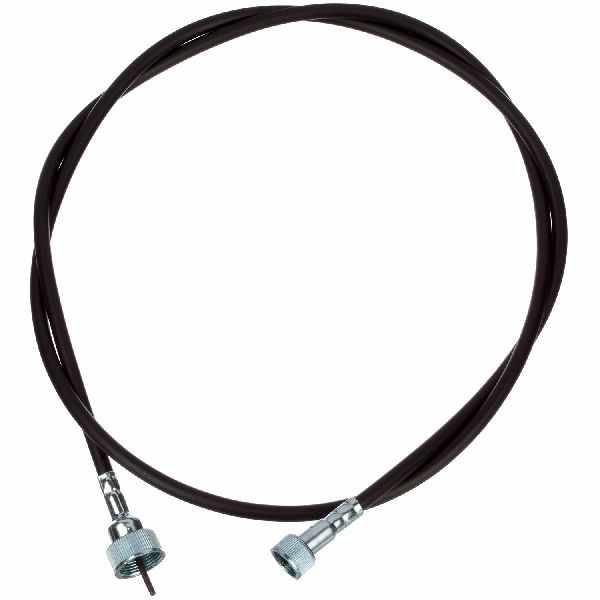
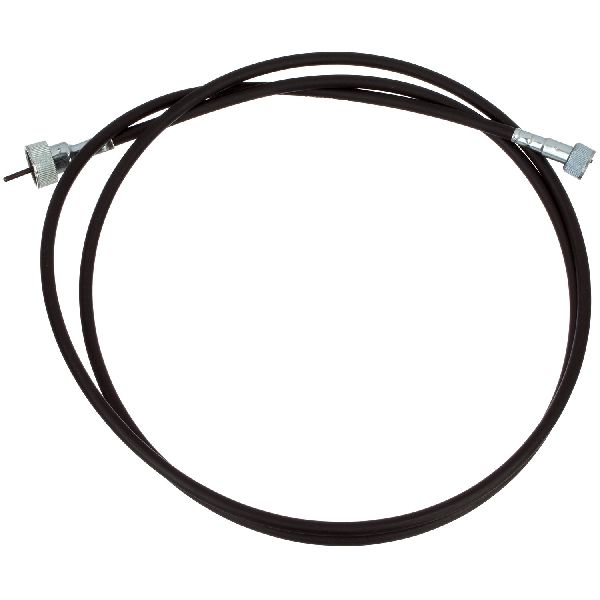
Since original Mopar cables are generally not available new, the aftermarket is your go-to source. There are three main tiers of replacement cables for your Coronet.
Economy Direct-Fit (ATP, Pioneer Cable)
These brands offer affordable, direct-fit replacements that are designed to match the original part. They are a good choice for a standard repair on a daily driver. While budget-friendly, some owners report occasional fitment issues or a shorter lifespan compared to premium options. It is highly recommended to lubricate the inner cable thoroughly before installation, as they may not come pre-lubed.
OEM-Style Reproduction (OER)
Brands like OER specialize in creating reproductions that are very close to the original factory part, sometimes even including the correct firewall grommet. For 1968-1976 models, these are often based on the original part number 3592360. These are a great option for owners seeking a factory-correct look and fit without searching for rare New Old Stock (NOS) parts.
Premium Cut-to-Fit (Lokar)
Lokar offers high-quality, universal cable kits that you cut to the perfect length. These kits come with a long cable (typically 7 feet), a premium housing (often with a stainless steel braid option), and all the necessary fittings. While they are the most expensive option, they provide a custom fit, are made from high-quality materials, and are an excellent solution for modified cars or when you're unsure of the exact length needed.
Speedometer Cable Replacement Cost for 1965-1976 Dodge Coronet
| Part Type | Price Range |
|---|---|
| New Aftermarket Cable | $16.75 - $151.57 |
| Shop Labor | $105 - $210 |
Cost estimates are based on typical North American shop labor rates and part prices at the time of writing.
Pro Tip: Lubricate Your New Cable
Before installing any new speedometer cable, pull the inner core out of the housing and apply a thin coat of white lithium grease or a dedicated cable lubricant along its length. A Mopar service bulletin from 1964 advises stopping the lubricant about six inches from the speedometer end to prevent it from getting into the gauge mechanism. This simple step prevents binding and will dramatically extend the life of your new cable.
Frequently Asked Questions
Is the speedometer cable different for 1965-1967 vs. 1968-1976 Coronets?
Yes, the connection at the back of the speedometer can be different. Earlier models (approx. 1965-1967) often use a screw-on fitting, while later models (approx. 1968-1976) typically use a push-on (clip-on) style fitting. Always check which type your car has before ordering a new cable.
How do I know what length cable to buy?
The best way is to remove your old cable and measure it. For reference, many 1968-1976 B-body cars without cruise control use a 62-inch cable. A 1965 model may use a 63-inch cable. If you are unsure or have a modified vehicle, a 'cut-to-fit' kit from a brand like Lokar is a safe bet.
Is the cable the same for automatic and manual transmissions?
Yes, for the 1965-1976 Coronet, the speedometer cable is generally the same for both automatic and manual transmissions, provided the car does not have cruise control.
Can I replace a speedometer cable myself?
Yes, this is a DIY-friendly job for someone with basic mechanical skills. The process involves disconnecting the cable from the transmission and the back of the instrument cluster, routing the new cable carefully to avoid sharp bends, and connecting it. The most challenging part is often reaching the connection behind the dashboard.
Technical Specifications
OEM Part Numbers: 3592360 2822713
Connection Type (Speedometer): Push-on (Clip-on) or Screw-on Connection Type (Transmission): Threaded Female (Typically 7/8"-18) Common Lengths: 62" or 63" (without cruise control)
We Have This Part in Stock


The information in this article is provided for general reference and educational purposes only. Vehicle specifications, procedures, and part compatibility can vary by production date, trim level, and region. Always consult your vehicle's factory service manual and verify part numbers before purchasing or performing repairs. Safety-critical components such as airbags, seat belts, and braking systems should be installed by a qualified professional.