

Saab 95 A/C System Valve Core and Cap Kit Guide (1965-1973)
Leaking A/C service ports can be a simple fix; here is what you need to know for your classic Saab 95.
- You must identify if your system uses older R12 refrigerant or has been converted to R134a to buy the correct kit.
- The A/C system must be professionally evacuated before you can safely replace the valve cores.
- Always replace both the valve cores and the sealing caps when servicing the A/C system to prevent future leaks.
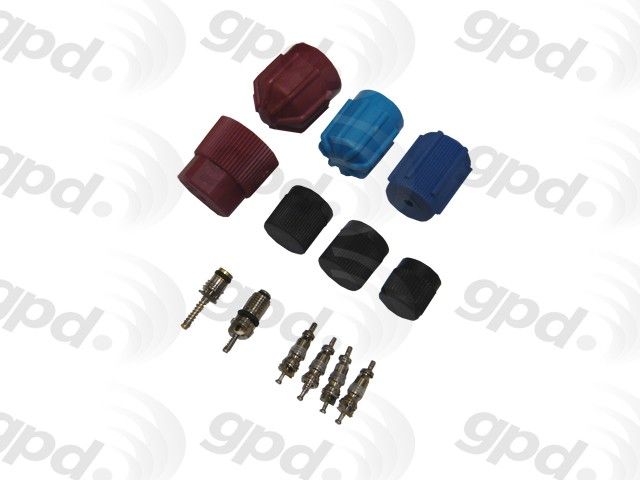
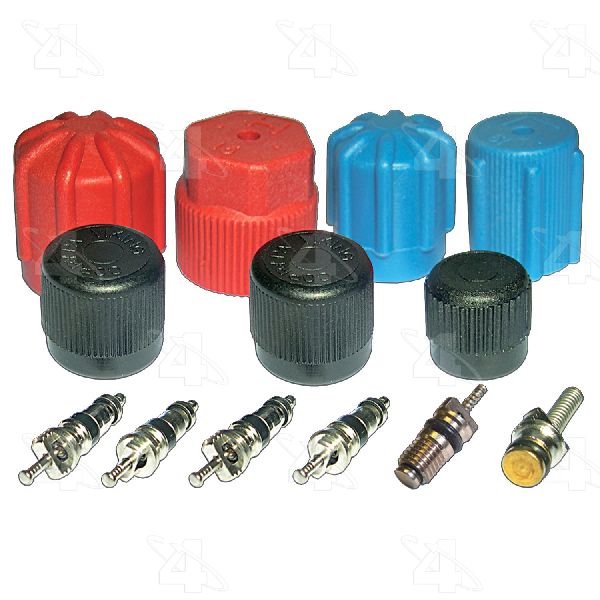
- Aftermarket brands like Four Seasons and Global Parts are a cost-effective and reliable choice for this part.
Symptoms of a Failing A/C Valve Core
A leaking valve core is a common source of slow refrigerant leaks in an A/C system. Because the A/C on a 1965-1973 Saab 95 would have been an optional or aftermarket system, symptoms are based on general automotive A/C principles.
- Poor A/C Performance: The most obvious symptom is a gradual decline in cooling ability. As refrigerant leaks out, the system becomes less efficient at cooling the cabin air.
- Hissing Sound: You might hear a faint hissing sound coming from the low or high-side service ports under the hood. This is the sound of refrigerant gas escaping past a worn valve core seal.
- Oily Residue: Refrigerant contains oil to lubricate the compressor. A leak at the service port will often leave a small, oily, or grimy patch around the valve and cap as the escaping oil attracts dirt.
Important: R12 vs. R134a Systems
Original A/C systems from this era used R12 refrigerant. Many have since been converted to the newer R134a standard. These systems use different valve cores and service port threads. Before ordering a kit, you must identify which type of refrigerant your system uses to ensure you get the correct parts.
Choosing the Right Aftermarket Kit
For a vehicle of this vintage, OEM (Original Equipment Manufacturer) valve core kits are no longer available. The aftermarket is your only source for these parts. Fortunately, for a simple component like a valve core and cap, aftermarket quality is generally sufficient.
- Tier 1: Reputable Aftermarket Brands (Four Seasons, Global Parts)
Brands like Four Seasons and Global Parts Distributors (GPD) are well-established in the A/C parts industry. They offer affordable kits that meet standard specifications. For a part like this, these brands provide a reliable and cost-effective solution.
Aftermarket A/C Valve Core & Cap Kit Cost for 1965-1973 Saab 95
| Part Type | Price Range |
|---|---|
| New Aftermarket Kit | $8.39 - $22.84 |
Pro Tip: Replace During Any A/C Service
Because replacing the valve cores requires the system to be professionally evacuated, the best time to replace them is whenever you are having other A/C work done, such as replacing a compressor or hose. The parts are inexpensive, and it's cheap insurance against future leaks.
Frequently Asked Questions (FAQ)
Do I have to empty the refrigerant to replace a valve core?
Yes, absolutely. The A/C system is under high pressure. Attempting to remove a valve core without first having the refrigerant professionally recovered by a certified shop is extremely dangerous and illegal, as it releases refrigerant into the atmosphere.
Can I use a regular tire valve core tool?
Yes, a standard Schrader valve tool is used to remove and install the core itself. However, you should only perform this work after the system has been completely and safely discharged of all refrigerant.
How do I know if I need an R12 or R134a kit?
Look at the service ports. R134a conversion kits typically install new fittings over the old R12 ports. R134a fittings are larger and have a quick-disconnect style, whereas original R12 ports are smaller and threaded on the outside for screw-on hoses. If you are unsure, consult a professional A/C technician.
Are the plastic caps really that important?
Yes. The caps are not just for dust; they are a critical secondary seal. Many slow leaks are stopped simply by a tight-fitting cap. Always ensure the caps have their internal rubber O-ring and are screwed on securely after any service.
Technical Specifications
Compatibility with refrigerant type (R12 or R134a) is the most critical specification. OEM part numbers for this vehicle are not available.
We Have This Part in Stock

The information in this article is provided for general reference and educational purposes only. Vehicle specifications, procedures, and part compatibility can vary by production date, trim level, and region. Always consult your vehicle's factory service manual and verify part numbers before purchasing or performing repairs. Safety-critical components such as airbags, seat belts, and braking systems should be installed by a qualified professional.