

Peterbilt 282 Radiator Coolant Hose: A Guide for 1965-1973 Models
Keep your classic 1965-1973 Peterbilt 282 on the road by understanding how to choose the right replacement radiator hoses.
- Do not drive your truck if you suspect a radiator hose is failing; a sudden burst can cause rapid coolant loss and catastrophic engine damage.
- For this vintage truck, high-quality aftermarket brands like Gates and Dayco are the standard, as OEM parts are unavailable.
- Regularly inspect hoses for cracks, bulges, and soft spots, as this is the best way to prevent being stranded.
- Always replace hose clamps with new ones when installing new hoses to ensure a secure, leak-free seal.
Signs of a Failing Radiator Hose
For a vintage workhorse like the Peterbilt 282, the original rubber hoses are long past their service life. Regular inspection is key to preventing a catastrophic failure that could lead to severe engine damage. Watch for these common warning signs.
Critical Warning Signs
- Coolant Leaks: This is the most direct sign of a problem. You may see puddles of green or yellow fluid under the front of the truck. A slow leak might also leave behind a crusty, whitish or colored residue around the hose connections.
- Engine Overheating: If your temperature gauge is climbing higher than normal, a failing hose could be the culprit. The hose may be leaking coolant or could have collapsed internally, which blocks fluid flow.
- Visible Hose Damage: When the engine is cold, squeeze the hoses. A healthy hose should be firm but pliable. If a hose feels brittle, rock-hard, or soft and spongy, it needs to be replaced immediately. Look for cracks, splits, and bulges, as these are weak spots ready to burst.
Choosing the Right Aftermarket Hose: OEM vs. Aftermarket
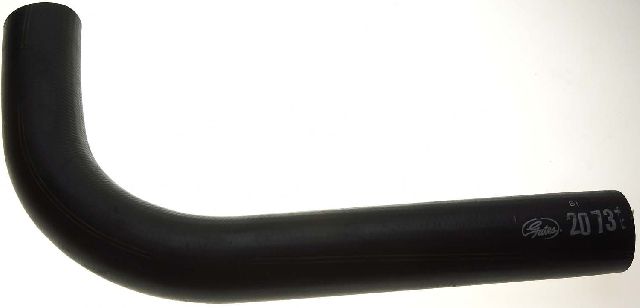
For a 1965-1973 Peterbilt 282, finding original equipment manufacturer (OEM) hoses is not a realistic option. The market for these trucks is served entirely by aftermarket manufacturers. The good news is that modern aftermarket hoses are made with materials like EPDM rubber, which are often superior to the original parts from the 1960s and 70s.
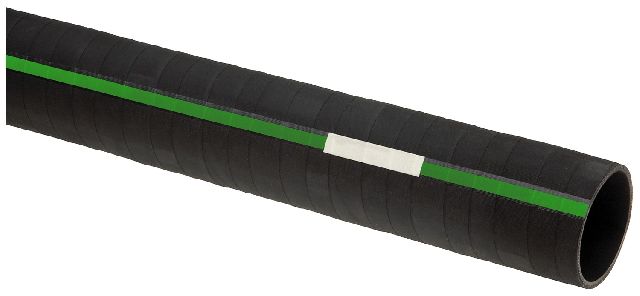
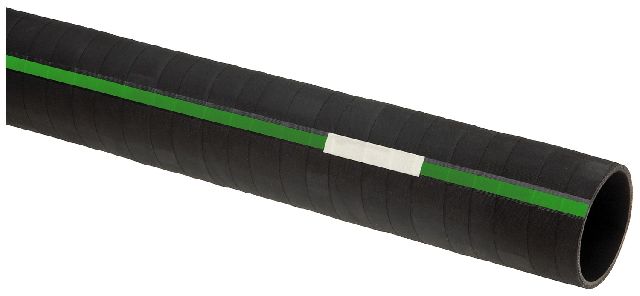
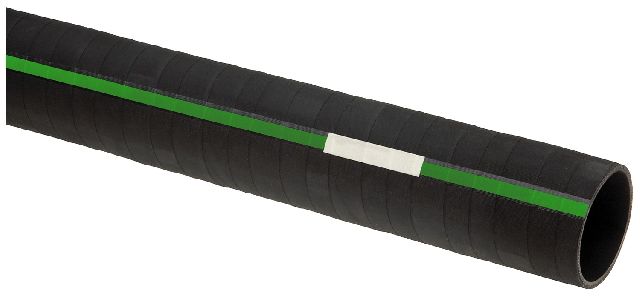
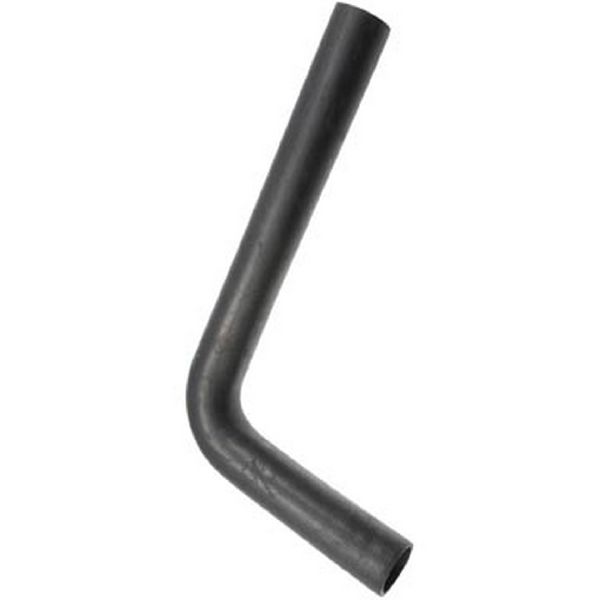
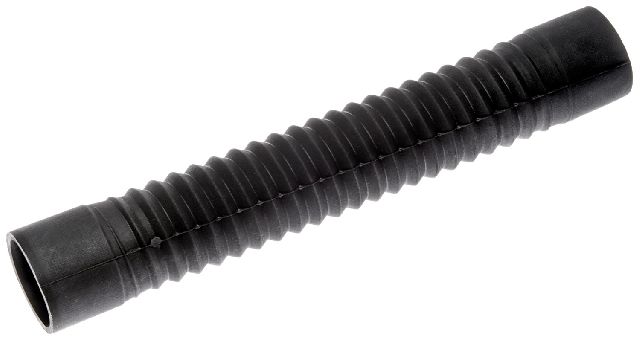
Your main choices will be between reputable brands like Gates and Dayco. Forum discussions among mechanics and truck owners show that both are considered reliable choices for heavy-duty applications. Some users prefer the feel of Dayco hoses, noting they can be thicker, while others have had better experiences with the fitment of Gates products. For a vintage application where original molded hoses may no longer be produced, you may need to use a flexible hose, like the Gates Green Stripe Vulco-Flex, which is designed to replace a wide variety of shapes and sizes. The most important factor is ensuring the new hose matches the diameter and has the correct bends (or flexibility) to prevent kinks that could restrict coolant flow.
Estimated Costs
| Part Type | Cost Range |
|---|---|
| New Aftermarket Hoses (Dayco, Gates) | $50.84 - $101.28 |
| Shop Labor for Replacement | $150 - $300 |
Frequently Asked Questions
Should I replace the hose clamps at the same time?
Yes. It is always recommended to use new hose clamps when installing new hoses. Old clamps can lose tension, corrode, or dig into the new hose, creating a potential leak point. Spring-style clamps are often preferred as they provide consistent pressure as the hose material heats and cools.
Are flexible (universal) hoses as good as molded hoses?
For many vintage vehicles like the Peterbilt 282, direct-fit molded hoses are no longer manufactured. A high-quality flexible hose, like the Gates Vulco-Flex, is designed as a permanent replacement. These hoses often have an internal wire to prevent collapse under suction and are a reliable solution when a molded original is not available.
What type of coolant should I use in my Peterbilt 282?
Always use a heavy-duty diesel coolant that meets the specifications for your engine. Using standard automotive coolant can lead to corrosion and damage to the engine and cooling system components. Check your engine's service manual for the correct coolant type.
How difficult is it to replace the radiator hoses myself?
For someone with basic mechanical skills, replacing radiator hoses is a manageable job. The main challenges are safely draining and capturing the large volume of coolant and accessing the lower hose clamp. Ensure the engine is completely cool before starting the job.
Technical Specifications
Aftermarket hoses for this vehicle are typically made of EPDM rubber. Flexible hoses are common replacements. Example aftermarket part numbers include Gates 169FI57 (Upper, Flexible) and Gates 648ZL83 (Lower, Straight). Always measure the required diameter and length for your specific application.
We Have This Part in Stock

The information in this article is provided for general reference and educational purposes only. Vehicle specifications, procedures, and part compatibility can vary by production date, trim level, and region. Always consult your vehicle's factory service manual and verify part numbers before purchasing or performing repairs. Safety-critical components such as airbags, seat belts, and braking systems should be installed by a qualified professional.