

Choosing the Right Spark Plug Wire Set for Your 1965-1973 Jeep J-2500
Get your classic Jeep's ignition system firing reliably with the correct set of new aftermarket wires.
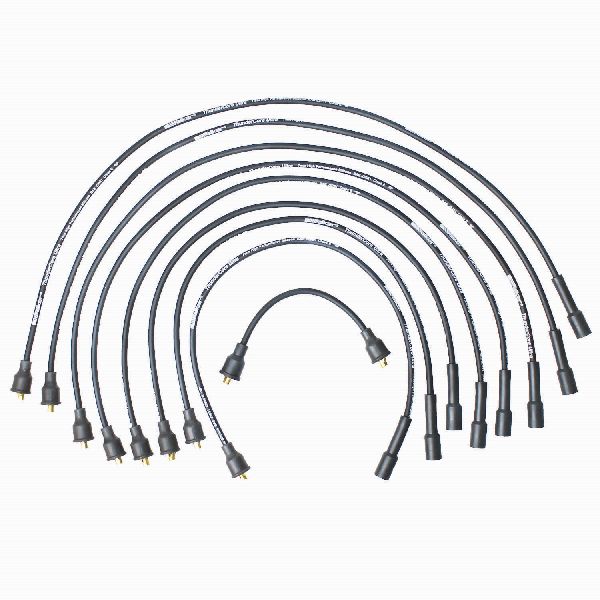
- For a vehicle of this age, aftermarket wire sets are the only option and often provide superior performance and durability to the originals.
- Symptoms like rough idle, engine misfires, and poor acceleration are common signs of failing spark plug wires.
- Choose a brand based on your needs: Performance brands like MSD or Accel for modified engines, and standard brands like Crown or NGK for reliable stock performance.
- Always replace wires one at a time to ensure the firing order remains correct.
Is it Time for New Wires?
The spark plug wires on your classic J-2500 live in a harsh environment, exposed to high heat, vibration, and chemicals. Over decades, the original insulation can become brittle and crack, and the internal conductor can break down. This degradation leads to a weak or inconsistent spark, causing noticeable running issues. Unlike modern vehicles, your truck relies on these simple but crucial components to keep the engine timed and firing correctly.
Symptoms of Failing Spark Plug Wires
Bad spark plug wires can cause problems that seem complicated but often point back to this simple ignition component. If you notice any of the following, your wires are a likely culprit:
- Rough Idle: An engine that shakes or sputters at a stop is a classic sign that a cylinder isn't firing consistently.
- Engine Misfires: You might feel a stumble or hesitation during acceleration because a cylinder is failing to ignite properly. In damp weather or darkness, you may even see blue sparks arcing from a bad wire to a metal part of the engine.
- Difficulty Starting: Weak spark makes it harder for the engine to fire up, especially when cold.
- Poor Fuel Economy & Power Loss: When fuel isn't burned completely due to weak spark, your truck loses efficiency and power.
Choosing the Right Aftermarket Wires
With several brands available, picking the right one depends on your budget and how you use your truck. The wires are generally sold in tiers of quality and performance.
Brand Tiers for Your J-2500
- Performance Brands (MSD, Accel, Taylor Cable): These brands are known for high-performance applications. They typically feature thicker 8mm or 8.5mm silicone jackets for better heat resistance and lower-resistance conductors for a hotter spark. MSD is often considered a top-tier choice with very low resistance, while Accel and Taylor are also popular for performance builds and can offer features like ceramic boots to prevent burns from exhaust headers. These are excellent choices if you have a modified engine or simply want the best possible spark delivery.
- Standard Replacement Brands (Crown Automotive, NGK, Denso, Standard Wires): These brands focus on providing quality that meets or exceeds original factory specifications. Crown Automotive specializes in Jeep parts and is a reliable choice for a stock restoration. NGK and Denso are highly respected, particularly for Japanese vehicles, but their universal sets are also known for quality. Standard Wires (from Standard Motor Products) is a long-standing aftermarket manufacturer providing dependable, stock-style replacement parts. These brands offer a great balance of quality and price for a daily driver or stock vehicle.
- Value Brands (Walker Products): These brands typically offer the most affordable option. While they will get your truck running, they may not have the same durability or performance-enhancing features as the premium or standard tiers. They can be a good choice for a tight budget, but be prepared for a potentially shorter service life.
How Much Does a New Spark Plug Wire Set Cost?
The cost to replace the spark plug wire set on a 1965-1973 Jeep J-2500 is very reasonable. The parts themselves are affordable, and it's a straightforward job for a DIY mechanic or a quick task for a professional shop.
| Item | Estimated Cost |
|---|---|
| New Aftermarket Spark Plug Wire Set | $21 - $153 |
| Shop Labor | $75 - $150 |
| Total Estimated Cost | $96 - $303 |
Frequently Asked Questions
Do I need special tools to replace my spark plug wires?
No special tools are required. A set of spark plug wire pullers can be helpful to avoid damaging the boots, but often you can remove them by twisting and pulling firmly on the boot itself (never pull on the wire). A bit of dielectric grease for the inside of the new boots is highly recommended to make future removal easier and ensure a good seal.
How do I make sure I don't mix up the wires?
The best method is to replace one wire at a time. Remove one old wire from the distributor cap and its corresponding spark plug, then match its length to a new wire from the set and install it. Repeat this process for all cylinders to avoid crossing wires, which would cause the engine to run poorly or not at all.
What's the difference between 7mm and 8mm wires?
The measurement refers to the diameter of the outer jacket. While original wires were often 7mm, many modern performance and standard replacement sets are 8mm or even 8.5mm. The thicker jacket provides better insulation against heat and voltage leaks (arcing). For a classic truck, either size will work, but a thicker wire offers an upgrade in durability.
Are there any recalls or technical bulletins for my J-2500's ignition wires?
No, there are no active recalls or Technical Service Bulletins (TSBs) from NHTSA related to the spark plug wires for the 1965-1973 Jeep J-2500. Any issues you experience will be due to the age and wear of the components, not a manufacturing defect covered by a recall.
Technical Specifications
Fitment is determined by the specific engine in your truck (e.g., AMC 232 I6, 258 I6, 304 V8, 327 V8, 350 V8, 360 V8). Key specifications to consider are wire diameter (typically 7mm, 8mm, or 8.5mm), core type (spiral-wound is a modern standard), and boot material (silicone is preferred for heat resistance).
We Have This Part in Stock
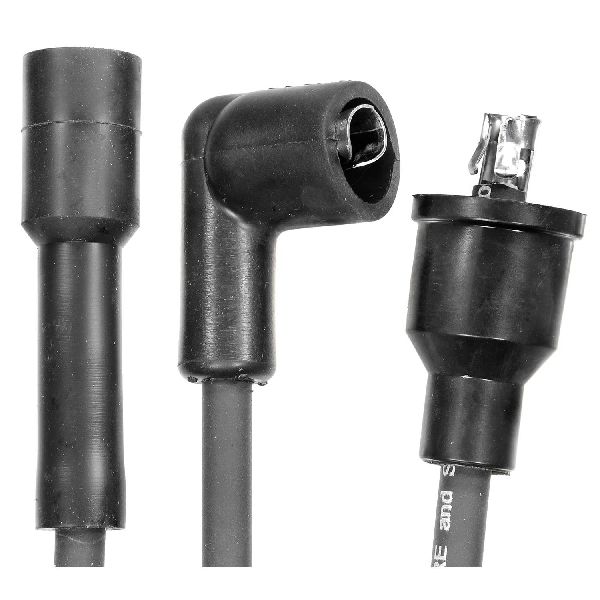
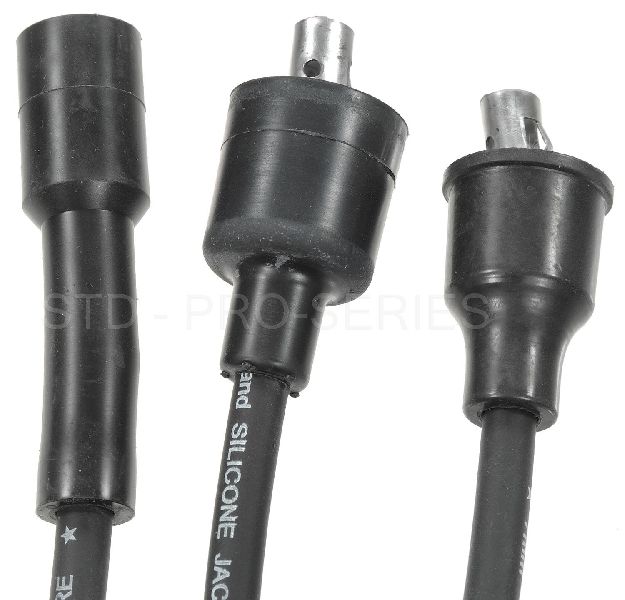
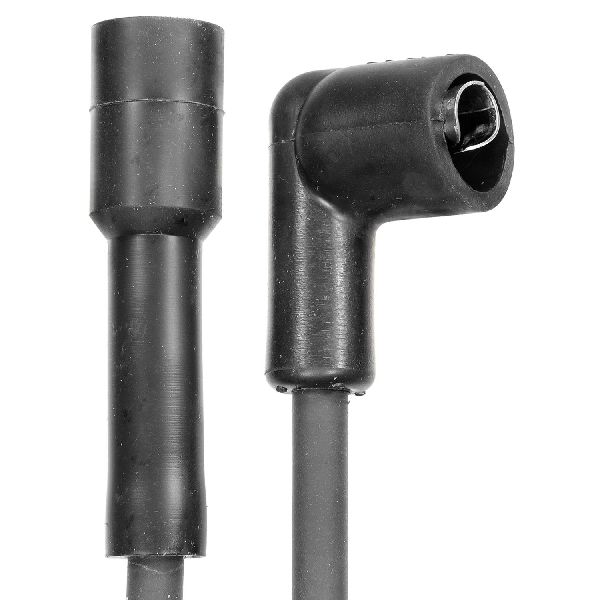
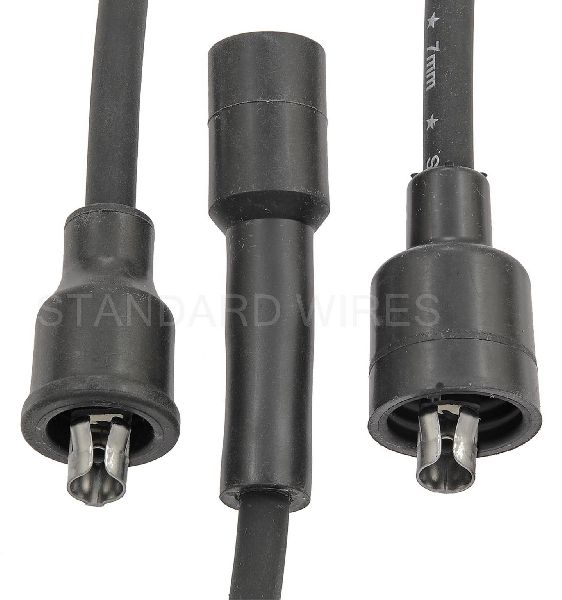

The information in this article is provided for general reference and educational purposes only. Vehicle specifications, procedures, and part compatibility can vary by production date, trim level, and region. Always consult your vehicle's factory service manual and verify part numbers before purchasing or performing repairs. Safety-critical components such as airbags, seat belts, and braking systems should be installed by a qualified professional.