

1965-1973 Ford Econoline A/C Expansion Valve: A Comprehensive Guide
If your classic Econoline's air conditioning is blowing warm, the expansion valve might be the reason.
- For 1965-1973 Econolines, aftermarket is the only practical option for a new A/C expansion valve.
- You must visually confirm your old part's design before ordering, as many A/C systems were dealer-installed or aftermarket kits.
- Always replace the receiver/drier and use new O-rings when replacing the expansion valve to ensure system longevity.
- The A/C system must be legally evacuated before work begins and vacuumed and recharged by a professional afterward.
Understanding Your Econoline's A/C System
Before replacing any A/C part on a 1965-1973 Ford Econoline, it's important to understand what system you have. From 1965-1967, Ford did not offer factory-installed air conditioning. Any A/C system in these vans was added by the dealership or as an aftermarket kit. For 1968-1973 models, A/C was an option, but many were still dealer-installed or aftermarket systems. This means parts can vary significantly. Always visually inspect your current expansion valve and its connections before ordering a replacement.
Symptoms of a Failing A/C Expansion Valve
A bad expansion valve can cause several noticeable issues with your A/C performance. Here’s what to look out for:
- Warm or Fluctuating Air Temperature: This is the most common symptom. If the valve is stuck open or closed, it can't properly regulate refrigerant, leading to warm air or air that cycles between cool and warm.
- Frost on A/C Components: You might see frost or ice on the expansion valve itself or on the A/C lines connected to it. This happens when the valve is stuck, causing the refrigerant to get too cold in one spot.
- A/C Compressor Always On or Not Engaging: An incorrect reading from the expansion valve can cause the A/C compressor to run constantly or not turn on at all.
- Poor A/C Performance Under Load: While sometimes a vacuum leak issue, poor cooling when the engine is working hard can also point to an expansion valve struggling to adapt to changing system pressures.
Choosing the Right Aftermarket Part
For a vehicle from this era, finding New Old Stock (NOS) or original OEM parts is nearly impossible. The aftermarket is your only realistic source for a new A/C expansion valve.
Brand Assessment: Four Seasons
Four Seasons is a widely available and common choice for classic vehicle A/C components. They manufacture new parts that meet or exceed the original specifications. While some online reviews show mixed experiences with quality control on other components like compressors, Four Seasons remains a standard, reliable option for parts like expansion valves, especially for vintage applications where choices are limited. Given the simplicity of these older A/C systems, a new Four Seasons expansion valve is a dependable choice.
Pro Tip: Replace the Receiver/Drier
Anytime you open the A/C system to replace a component like the expansion valve, you absolutely must replace the receiver/drier (or accumulator). This part absorbs moisture from the refrigerant. A new, clean receiver/drier is essential for the longevity and performance of your entire A/C system and your new parts. Failing to do so can cause your new expansion valve to fail quickly.
Frequently Asked Questions (FAQ)
Can I replace the A/C expansion valve myself?
Yes, if you are an experienced DIY mechanic with the right tools. Replacing the valve itself involves unbolting it and connecting the new one. However, the A/C system must be professionally evacuated of refrigerant before you start and then properly vacuumed and recharged after you finish. Handling refrigerant requires special equipment and certification.
Are there any recalls for the A/C system on my 1965-1973 Econoline?
No, there are no recalls on the National Highway Traffic Safety Administration (NHTSA) website for the A/C expansion valve or related A/C components for this generation of Ford Econoline.
Should I convert to R134a refrigerant?
Since you are opening the system, it is a good time to consider converting from the original R-12 refrigerant to the more common and affordable R134a. This requires flushing the system, using a compatible oil (like PAG oil), and replacing all the O-rings with R134a-compatible ones. Many new aftermarket parts are designed to work with R134a.
What is the most common mistake when ordering this part?
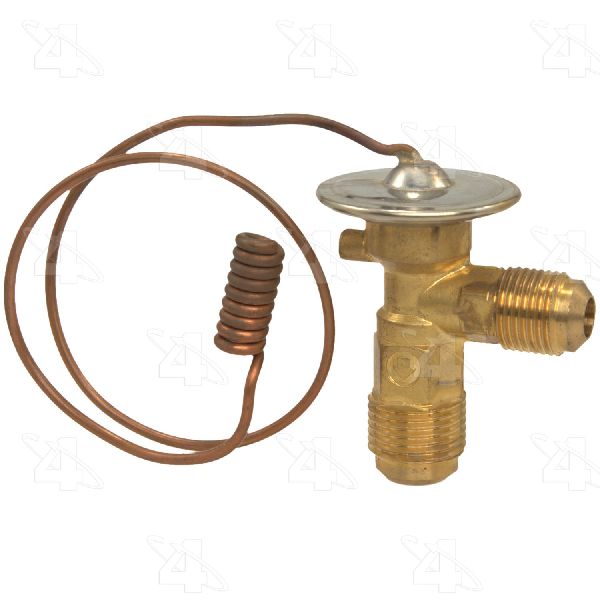
The most common mistake is not visually matching the new part to the old one. Because many A/C systems were dealer or aftermarket installs, there is no single correct part for all 1965-1973 Econolines. You must verify the fitting types and orientation of your existing valve before purchasing a new one.
Technical Specifications
Varies by A/C system type (factory, dealer-installed, or aftermarket). Visually match inlet/outlet fitting types and orientation to the original part. The system uses a block-type or flare-type expansion valve depending on the specific installation.
We Have This Part in Stock

The information in this article is provided for general reference and educational purposes only. Vehicle specifications, procedures, and part compatibility can vary by production date, trim level, and region. Always consult your vehicle's factory service manual and verify part numbers before purchasing or performing repairs. Safety-critical components such as airbags, seat belts, and braking systems should be installed by a qualified professional.