

1965-1972 Ford Custom A/C System Valve Core and Cap Kit Guide
Leaky A/C service ports can compromise your classic Ford's cooling; this guide explains how to fix it right.
- You must first identify if your Ford Custom's A/C system is the original R-12 or has been converted to R-134a before buying parts.
- A faulty valve core is a very common source of slow refrigerant leaks, leading to poor cooling performance.
- Replacement is not a simple DIY job; it requires specialized equipment to legally and safely evacuate and recharge the A/C system.
- Always replace the service port caps, as they provide a critical seal against dirt and secondary protection against leaks.
Is your Ford Custom's A/C not as cold as it used to be?
If your classic 1965-1972 Ford Custom's air conditioning isn't blowing as cold as it once did, a common and often overlooked culprit is a leaking A/C service valve core. These small valves are the access points for servicing your A/C system, and over decades, their seals can degrade and cause slow refrigerant leaks. This guide will walk you through the symptoms, replacement options, and critical considerations for this repair.
R-12 vs. R-134a: The Most Important Check
Your 1965-1972 Ford Custom was originally equipped with an R-12 refrigerant system. Many of these classic cars have since been converted to the more modern R-134a refrigerant. This is the single most important factor when servicing your A/C. The service ports and sometimes the valve cores themselves are different. Before purchasing any parts, you must identify which type of refrigerant system your vehicle has. Look for retrofit adapter fittings on the service ports, which are a clear sign of an R-134a conversion. Some aftermarket kits are compatible with both systems.
Symptoms of a Failing A/C Valve Core
A bad valve core typically leads to a slow leak, which can be hard to detect initially. Here's what to look for:
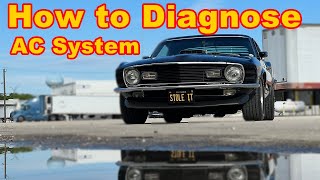
🎬 Watch this guide on troubleshooting and diagnosing vintage air conditioning.- Gradual loss of cooling: The A/C still works, but it gets progressively warmer over weeks or months.
- Oily residue around the service port caps: Leaking refrigerant often carries small amounts of A/C oil with it, attracting dirt and grime.
- Hissing from the service port: If you remove the cap and hear a faint hiss (or can see bubbles with soapy water), the valve core is leaking.
Choosing an Aftermarket Valve Core & Cap Kit
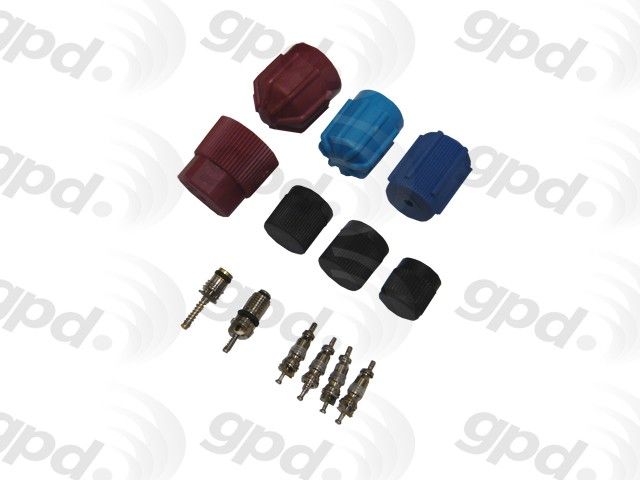
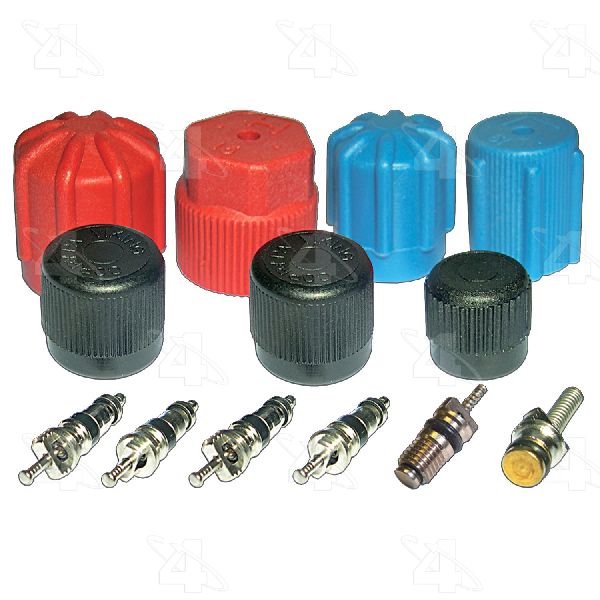
For a vehicle of this age, OEM parts are generally unavailable. The aftermarket is your primary source. Brands like Four Seasons and Global Parts (GPD) offer kits for this application. For a simple component like a valve core and cap, brand quality differences are minimal. The most critical factor is ensuring the kit is correct for your specific A/C system (R-12 or R-134a converted).
| Brand | Known For | Typical Price Range |
|---|---|---|
| Four Seasons | A well-established, widely available aftermarket A/C parts brand. Generally considered a reliable choice for common repairs. | $8 - $23 |
| Global Parts (GPD) | Another common aftermarket supplier offering direct replacement parts. | $10 - $20 |
Pro Tip: When replacing valve cores, it's a good practice to also replace the A/C system's receiver/drier. The system must be fully evacuated to perform this repair, making it the perfect time to replace the drier, which absorbs moisture and protects the compressor.
Frequently Asked Questions
Can I replace the valve core myself?
Replacing the valve core requires special tools to recover the refrigerant from the system before opening it. It is illegal and harmful to the environment to release refrigerant into the atmosphere. Once the part is replaced, the system must be put into a deep vacuum to remove air and moisture before being recharged with the correct amount of refrigerant and oil. While the part itself is easy to swap, the process is best left to a qualified mechanic with the proper equipment.
What is the difference between R-12 and R-134a refrigerant?
R-12 was the standard automotive refrigerant until the early 1990s. It was phased out due to its effect on the ozone layer. R-134a is its replacement. Systems converted to R-134a require different lubricating oil and have unique service port fittings to prevent cross-contamination. An R-12 system will not cool effectively with R-134a unless properly converted.
Are there any recalls for the A/C system on my 1965-1972 Ford Custom?
There are no active recalls on the NHTSA database specifically for the A/C system components of the 1965-1972 Ford Custom. Any safety recalls from that era would have long since expired.
Why are the caps so important?
The plastic or metal caps on the service ports are the primary seal against dirt and moisture entering the system. They also act as a secondary seal to contain refrigerant if the valve core has a minor leak. Always ensure they are present and tightened securely.
Helpful Videos
Technical Specifications
Compatibility with R-12 and/or R-134a refrigerant systems. Kit typically includes both high and low-side valve cores and caps.
We Have This Part in Stock

The information in this article is provided for general reference and educational purposes only. Vehicle specifications, procedures, and part compatibility can vary by production date, trim level, and region. Always consult your vehicle's factory service manual and verify part numbers before purchasing or performing repairs. Safety-critical components such as airbags, seat belts, and braking systems should be installed by a qualified professional.