

Engine Coolant Bypass Hose Guide for the 1965-1972 Dodge P300
Keep your classic Dodge P300's engine safe by understanding this small but critical cooling system part.
- A failing bypass hose can cause critical engine damage from overheating; do not drive if you suspect a leak.
- OEM parts are not available; quality aftermarket brands like Dayco and Gates are the only option.
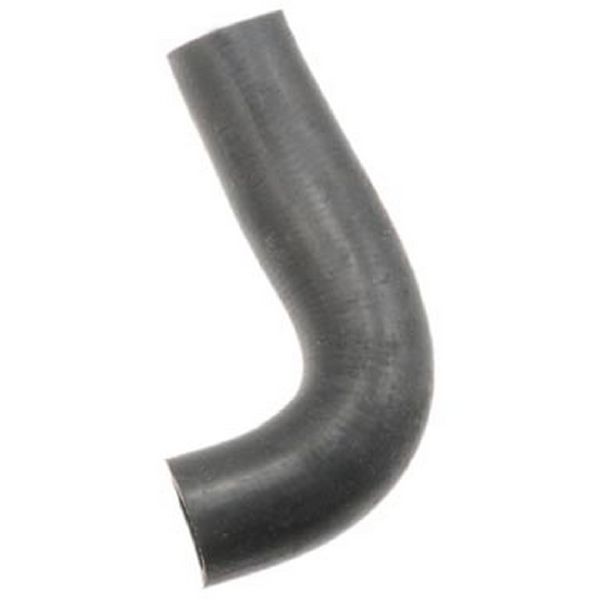
- Always use a pre-molded hose; a straight hose will kink and block coolant flow.
- When replacing the bypass hose, it's wise to also inspect other cooling system parts like the thermostat and other hoses.
Signs of a Failing Bypass Hose
Like any rubber part on a classic vehicle, the coolant bypass hose is exposed to constant heat and pressure that cause it to wear out over time. Given the age of the 1965-1972 Dodge P300, any original hose is long past its safe service life. Catching a failure early can save you from catastrophic engine damage. Look for these warning signs:
- Coolant Leaks: This is the most common and obvious symptom. You may find puddles of brightly colored fluid (green, orange, or pink) under the front of your engine. You might also notice a slow drop in the coolant level in your radiator.
- Sweet Smell: A leaking hose can drip coolant onto hot engine parts, creating a distinct sweet smell. Sometimes you'll smell a leak before you see it.
- Visible Damage: Take a close look at the hose. Signs of trouble include cracks, splits, or areas that look swollen or bulging, especially near the clamps. The hose might also feel rock-hard, brittle, or soft and spongy when you squeeze it (with the engine cold).
- Engine Overheating: A significant leak will cause a loss of coolant, leading the engine to overheat. A temperature gauge climbing into the red is a serious warning. An overheating engine can quickly lead to major damage.
- Steam from Engine Bay: If a leak is bad enough, you may see steam coming from under the hood as coolant sprays onto the hot engine.
Choosing the Right Aftermarket Hose
For a vintage vehicle like the Dodge P300, you won't find an OEM (Original Equipment Manufacturer) bypass hose at the dealership. Your only option is a new aftermarket part. The two main brands available are Dayco and Gates.
Both Dayco and Gates are well-known, reputable companies that produce quality replacement parts. Forum discussions among classic vehicle owners show mixed preferences. Some find Dayco hoses to be slightly thicker, while others prefer Gates, believing they have better fitment and cataloging. Ultimately, both brands make reliable hoses that will work well for your P300. The most important factor is ensuring the hose is molded correctly for your specific engine and does not kink when installed, as a kink can block coolant flow.
Cost at a Glance
| Part Type | Price Range |
|---|---|
| New Aftermarket (Dayco, Gates) | $20.08 - $81.22 |
| Shop Labor | $100 - $250 |
| New OEM | Not Available |
| Used OEM | Not Recommended |
Pro Tip: When you replace the bypass hose, it's a great time to inspect and replace other cooling system components. Consider installing a new thermostat, radiator cap, and other coolant hoses at the same time. This is especially true if you don't know how old they are. Always use new hose clamps for a secure seal.
Frequently Asked Questions (FAQ)
Can I use a straight piece of heater hose instead of a molded bypass hose?
No. The bypass hose often has specific bends to route around other engine parts. Using a straight hose will cause it to kink, which will restrict or block coolant flow and can lead to engine overheating. Always use a pre-molded hose designed for your application.
Are there any recalls for the Dodge P300 bypass hose?
No. While some recalls exist for the 1965-1972 Dodge P300 for issues related to brakes and steering, there are no specific recalls or technical service bulletins (TSBs) related to the engine coolant bypass hose.
How hard is it to replace the bypass hose myself?
For someone with basic mechanical skills, this is a very DIY-friendly job. It typically involves partially draining the coolant, removing the old hose clamps and hose, fitting the new hose and clamps, and then refilling and bleeding any air from the cooling system. The biggest challenge is often just getting access to the hose in a tight engine bay.
What kind of coolant should I use in my P300?
For vehicles of this era, a conventional green Inorganic Additive Technology (IAT) coolant is generally the correct choice. Modern coolants may not be compatible with the metals and gasket materials in your classic engine. Always check your vehicle's service manual if available, and be sure to flush the system completely if you are changing coolant types.
Technical Specifications
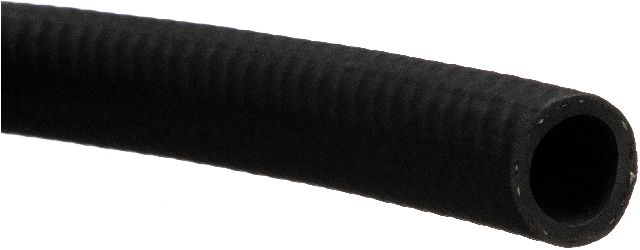
This is a molded rubber hose, typically made of EPDM rubber to resist heat and chemicals. Its specific shape and diameter vary based on the engine (e.g., Slant 6 vs. V8) in the P300. The correct molded shape is critical to prevent kinking.
We Have This Part in Stock

The information in this article is provided for general reference and educational purposes only. Vehicle specifications, procedures, and part compatibility can vary by production date, trim level, and region. Always consult your vehicle's factory service manual and verify part numbers before purchasing or performing repairs. Safety-critical components such as airbags, seat belts, and braking systems should be installed by a qualified professional.