

1965-1970 Oldsmobile Delta 88 Suspension Stabilizer Bar Link Kit Guide
Restore handling precision and eliminate suspension clunks in your classic Delta 88.
- Worn stabilizer links cause clunking noises and excessive body roll in turns.
- For this vehicle, only aftermarket parts are available; new OEM is not an option.
- Choose a standard rubber kit (Dorman) for an original feel or a polyurethane kit (Nolathane) for improved durability and handling.
- Replacement is simple, inexpensive, and a good DIY project for any skill level.
Is your Delta 88's ride getting noisy and sloppy?
If you're hearing clunking sounds from the front end when you go over bumps, or if your car feels like it's swaying more than usual in turns, your stabilizer bar links are a likely culprit. These parts are simple but essential for the handling and ride quality of your full-size Oldsmobile. After more than 50 years, the original rubber bushings are almost certainly worn out, cracked, or completely gone. Replacing them is an inexpensive and straightforward job that makes a noticeable difference.
A Common Wear Item
Stabilizer bar links are designed to wear out over time. Due to the age of the 1965-1970 Delta 88, it's not a question of if they will fail, but when. Worn links can lead to poor handling, especially in emergency maneuvers.
Choosing the Right Aftermarket Link Kit
For a vehicle of this era, new original equipment (OEM) parts are no longer available from GM. The market consists entirely of new aftermarket parts. Fortunately, the aftermarket offers excellent, reliable options that meet or exceed original specifications.
Brand Tiers for Your Delta 88
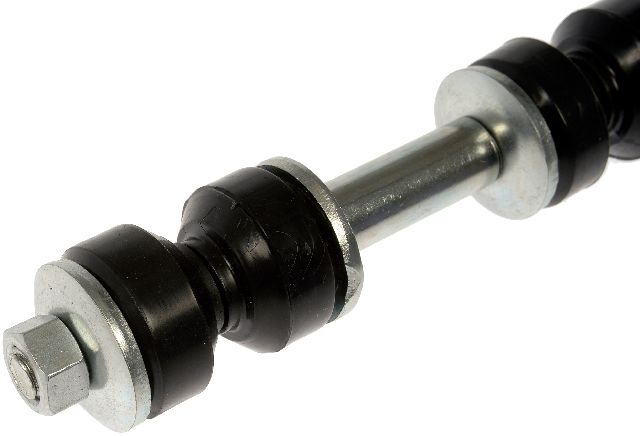
- Standard Replacement (Good): Brands like Dorman offer a direct, budget-friendly replacement. These kits typically use rubber or synthetic rubber bushings similar to the original design. They are designed to restore the original ride quality and are perfectly adequate for a daily driver or a cruiser. They are easy to install and will eliminate the clunks from worn-out links.
- Performance Upgrade (Better): Brands like Nolathane or Energy Suspension use polyurethane bushings instead of rubber. Polyurethane is a firmer, more durable material that resists oil, heat, and wear much better than rubber. This results in a more responsive feel, reduced body roll, and longer service life. The ride may be slightly firmer, but many classic car owners prefer the enhanced handling performance.
Pro Tip: Check the Sway Bar Bushings Too
While you're replacing the links, inspect the two larger sway bar frame bushings. These also wear out and are inexpensive to replace at the same time for a complete suspension refresh.
New Aftermarket Stabilizer Link Kit Cost (1965-1970 Oldsmobile Delta 88)
| Part Type | Price Range |
|---|---|
| New Aftermarket (Dorman, standard) | $11 - $14 |
| New Aftermarket (Nolathane, polyurethane) | $12 - $25 |
Frequently Asked Questions
Do I need to replace both sides at the same time?
Yes. Stabilizer links should always be replaced in pairs (left and right) to ensure even handling and predictable performance. Since they have been subjected to the same amount of wear, if one has failed, the other is likely not far behind.
Is this a difficult part to install myself?
No, this is a great DIY job for a beginner. It typically requires basic hand tools, a jack, and jack stands. The links are easily accessible behind the front wheels and are usually held on by two bolts.
Will polyurethane bushings make my ride harsh?
For a part like a stabilizer link, the increase in harshness is minimal and often not noticeable. The improvement in steering response and reduced body roll is a much more significant effect that most drivers appreciate, especially in a large classic car.
Were there any recalls on the 1965-1970 Delta 88 for stabilizer links?
No, there are no specific recalls or Technical Service Bulletins (TSBs) on record for stabilizer bar link failure on the 1965-1970 Oldsmobile Delta 88. Failure is due to the age and normal wear of the original rubber components.
Technical Specifications
The kit consists of a central rod or bolt, several bushings, washers, and nuts. The primary components subject to wear are the rubber or polyurethane bushings.
We Have This Part in Stock


The information in this article is provided for general reference and educational purposes only. Vehicle specifications, procedures, and part compatibility can vary by production date, trim level, and region. Always consult your vehicle's factory service manual and verify part numbers before purchasing or performing repairs. Safety-critical components such as airbags, seat belts, and braking systems should be installed by a qualified professional.