

Jeep J-3500 Universal Joint Replacement Guide (1965-1970)
Keep your classic J-Series truck running smoothly by addressing driveline vibrations and noises from worn U-joints.
- Dana Spicer is the most recommended brand, likely being the original equipment for your J-3500.
- Symptoms like clunking, squeaking, and vibration are clear signs that your U-joints need inspection and likely replacement.
- Driving with a severely worn U-joint is dangerous and can lead to driveshaft separation.
- Measure your old U-joints before ordering, as different sizes may have been used.
Is Your J-3500 Showing Signs of a Bad U-Joint?
A failing universal joint gives several warning signs. Because these parts are under constant stress, they wear out over time. Ignoring these symptoms can lead to a complete failure, which could cause the driveshaft to detach from the vehicle. Listen and feel for these common symptoms:
- Vibrations: A rhythmic vibration or shaking felt through the floor, especially at highway speeds, is a primary symptom. This happens because the worn joint allows the driveshaft to become unbalanced.
- Clunking Noises: A distinct "clank" or "ping" when you shift from drive to reverse or get on and off the throttle is a sign of excessive play in the U-joint.
- Squeaking or Chirping: A cyclical squeak that changes with your speed, often heard when moving slowly, points to a U-joint that has lost its internal lubrication.
- Visible Rust or Leaking Grease: If you see rust dust around the U-joint bearing caps or grease slung on the underbody, the joint's seals have likely failed.
Driveshaft Failure is a Critical Safety Risk
If a U-joint fails completely while driving, the driveshaft can separate from the truck. This can cause a loss of power, significant damage to the undercarriage, and a loss of vehicle control. Address failing U-joints promptly.
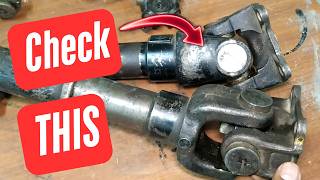
🎬 Watch this guide on identifying common failing U-joint symptoms.Choosing the Right Aftermarket U-Joint for Your J-3500
For a vintage truck like the 1965-1970 J-3500, new OEM parts from Jeep are no longer available. However, the original supplier for many Jeep components of this era was Dana-Spicer. Aftermarket brands now offer a range of quality and price points.
Brand Quality Tiers
- Premium (OEM-Equivalent): Dana Spicer is widely considered the gold standard and was likely the original part manufacturer for your truck. They are known for durability and precise manufacturing. Many enthusiasts and mechanics will only use Spicer. Moog is another premium brand, though some forum users have noted inconsistent quality in recent years compared to their older reputation.
- Mid-Grade (Quality Aftermarket): SKF and GMB fall into this category. SKF is a global leader in bearings and their U-joints are generally considered well-made, though some users report mixed experiences. GMB offers a good balance of quality and affordability and is a popular choice for many applications.
- Economy/Specialty: Omix-Ada specializes in Jeep parts. While they offer a huge variety of components, their quality for mechanical parts like U-joints can be inconsistent according to forum discussions. They may be suitable for light-duty use or if budget is the primary concern.
Greasable vs. Sealed U-Joints
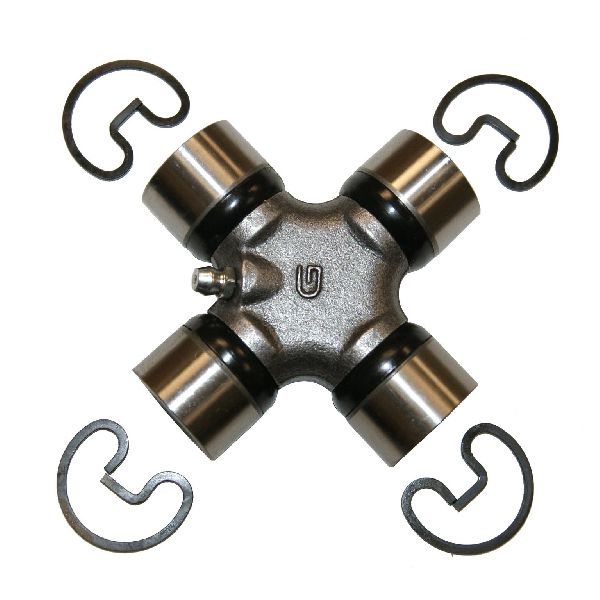
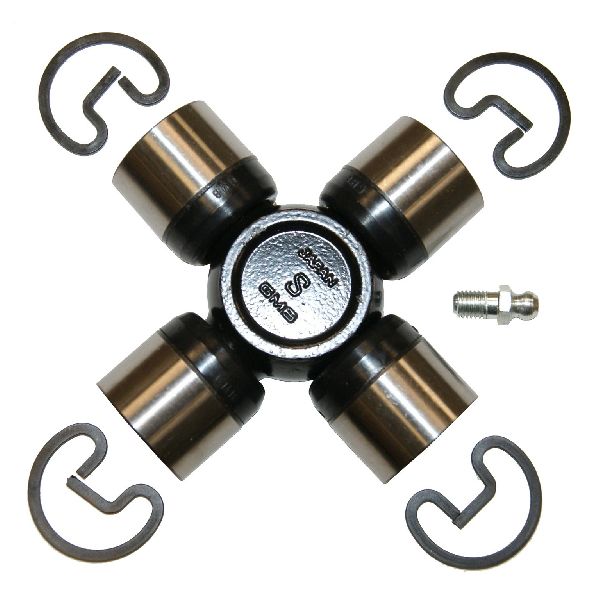
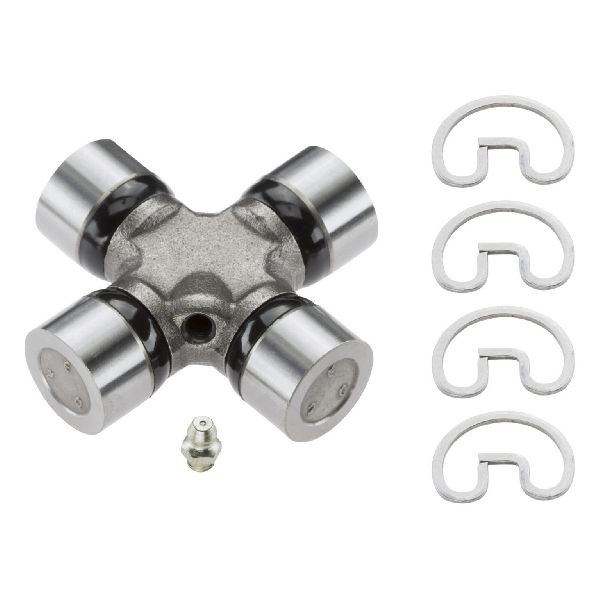
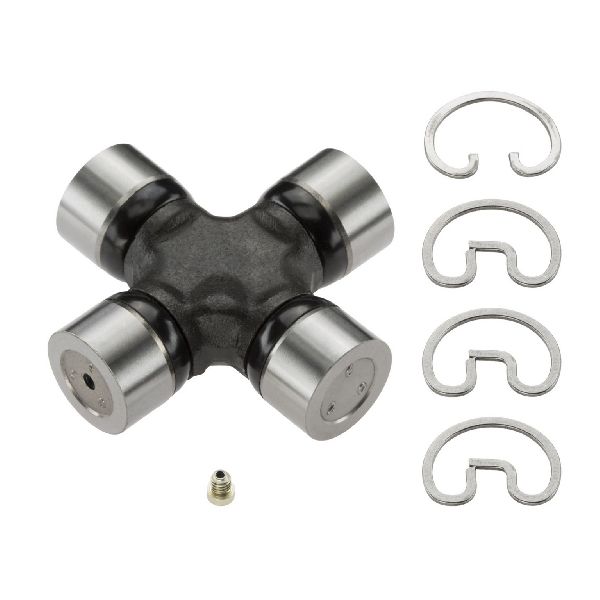
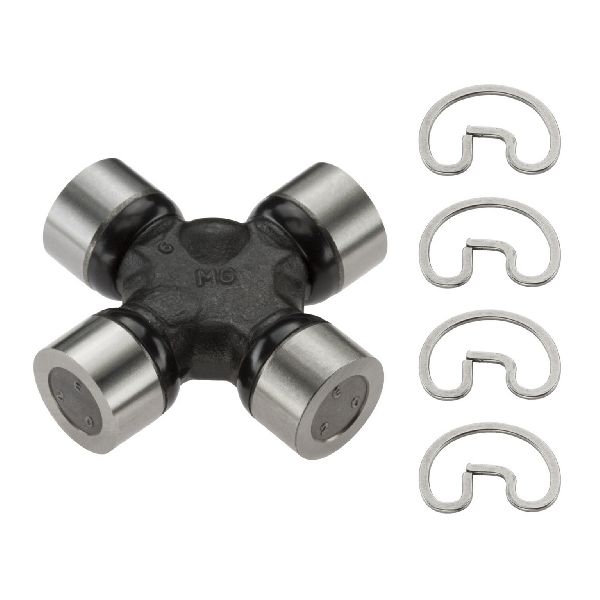
You will find both greasable and non-greasable (sealed) U-joints. Sealed joints are what most vehicles came with from the factory and are often considered stronger because the cross is solid. Greasable joints have channels drilled into them for a zerk fitting, which can theoretically make them slightly weaker. However, for a classic truck that may not see daily use, the ability to periodically flush out old grease and add new can extend the part's life if maintained properly. For most J-3500 owners, a quality sealed joint from a brand like Spicer is a fit-and-forget solution.
| Part Type | Price Range | Notes |
|---|---|---|
| New Aftermarket U-Joint | $18.53 - $121.85 | Price varies significantly by brand and whether it's a standard or heavy-duty series. |
| Shop Labor | $120 - $250 | Estimated cost per U-joint. Price varies by shop rate and if the driveshaft needs to be removed. |
Frequently Asked Questions (FAQ)
How many U-joints does my J-3500 have?
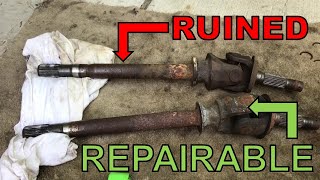
A typical 4x4 J-3500 will have at least three U-joints in the driveshafts: one at the rear of the rear driveshaft, and two on the front driveshaft. Some configurations, especially with longer wheelbases, may have a two-piece rear driveshaft with a carrier bearing and an additional U-joint. Your truck also has U-joints in the front axle shafts that allow the front wheels to steer while receiving power in 4WD.
Do I need special tools to replace a U-joint?
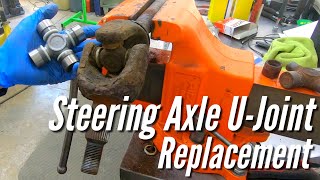
While it can be done with a hammer and sockets, it's not recommended as you can damage the yokes or the new joint. A ball joint press or a large bench vise are the preferred tools to press the old joint out and the new one in safely and evenly. Many auto parts stores offer loaner tool programs for ball joint presses.
🎬 See how to replace a U-joint without using special tools.Were there any recalls or TSBs for J-3500 U-joints?
No specific recalls or Technical Service Bulletins (TSBs) were found for the universal joints on the 1965-1970 Jeep J-3500. This is common for vehicles of this age, as modern recall systems were not in place. Known issues are typically shared within enthusiast communities.
What is the most common mistake when ordering?
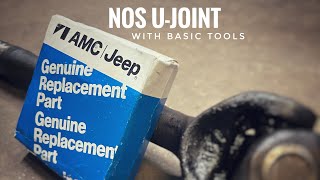
The most common mistake is ordering the wrong size. Jeep J-Series trucks could be equipped with different axles and driveshafts over their production run, which used different U-joint series (like 1310 or 1330). It is crucial to measure your existing U-joint's cap diameter and overall width before ordering to ensure a perfect match.
🎬 Avoid this common mistake when replacing your Jeep U-joints.Helpful Videos
Technical Specifications
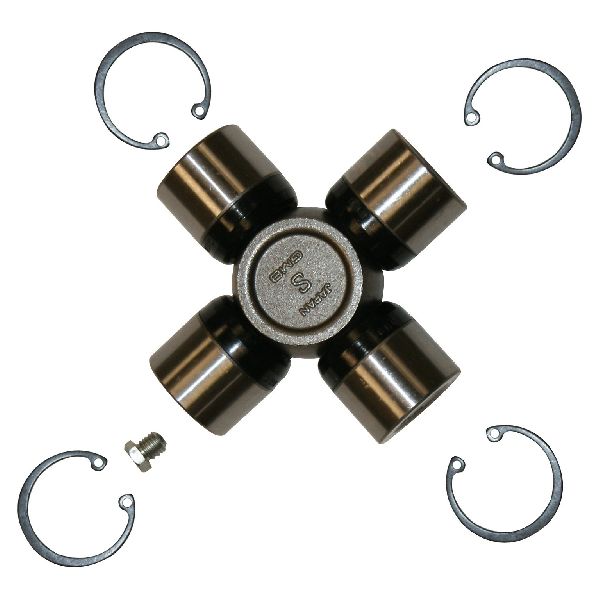
Common U-joint series for this era include 1310 and 1330. Measurements of the cap diameter and cross width are required for accurate replacement. U-joints can be retained by either internal c-clips or external u-bolts/straps depending on the yoke.
We Have This Part in Stock

The information in this article is provided for general reference and educational purposes only. Vehicle specifications, procedures, and part compatibility can vary by production date, trim level, and region. Always consult your vehicle's factory service manual and verify part numbers before purchasing or performing repairs. Safety-critical components such as airbags, seat belts, and braking systems should be installed by a qualified professional.