

Engine Coolant Bypass Hose Guide for the 1965-1969 Buick Special
This small hose is vital for your Buick's engine health—here's what you need to know before it fails.
- A failing bypass hose is a critical issue that can cause severe engine overheating; do not drive if you suspect a leak.
- OEM hoses are not available; choose a quality molded aftermarket hose from a brand like Dayco or Gates for a reliable repair.
- Always replace the hose clamps at the same time as the hose to ensure a secure, leak-free seal for years to come.
- Use traditional green IAT coolant for your classic Buick's cooling system.
Is Your Buick Special's Bypass Hose Failing?
Like all rubber parts, the engine coolant bypass hose wears out over time due to constant heat and pressure. A failure can lead to a sudden loss of coolant and cause serious engine overheating. It is important to inspect this hose regularly and replace it if you see any signs of trouble.
Key Failure Symptoms
- Coolant Leaks: This is the most common sign. You may find puddles of green or orange fluid under the front of your car. You might also notice a sweet smell of coolant after driving, or see crusty residue around the hose connections.
- Visible Hose Damage: Look at the hose itself. If you see cracks, splits, or any swelling and bulges, the hose is weak and could burst at any moment. A hose that feels extra hard, brittle, or soft and spongy when squeezed (with the engine cold) is also ready to fail.
- Engine Overheating: If the hose leaks enough coolant, your engine won't be able to cool itself properly. Watch your temperature gauge; if it starts to climb into the red, it's a critical problem that requires you to stop the engine immediately.
- Low Coolant Level: A slow leak might not leave a puddle, but you may find yourself needing to add coolant to the radiator or overflow tank often.
Choosing the Right Aftermarket Hose
For a classic car like the 1965-1969 Buick Special, original GM hoses are no longer made. The good news is that modern aftermarket hoses are excellent and often made with better materials than the originals. You will be choosing between a few quality aftermarket brands.
OEM vs. Aftermarket
Don't waste time searching for a New Old Stock (NOS) GM hose. Rubber degrades over decades, even when sitting on a shelf. A new aftermarket hose made from modern EPDM rubber will be more durable and resistant to heat and chemicals. The most important factor is getting a molded hose that is pre-shaped to fit your specific engine, which prevents kinks that can block coolant flow.
Brand Tiers: Dayco vs. Gates
Dayco and Gates are the two most common and trusted brands for this part. Both are considered quality options, and you can't go wrong with either for your Buick Special. Some mechanics or classic car owners may prefer one over the other based on past experiences with fitment on a particular engine, but both brands produce reliable hoses that meet or exceed original specifications. Since there is no clear "better" brand, choose the one that is readily available and fits your budget.
Pro Tip: Replace the Clamps
Always replace the hose clamps when you install a new hose. Old clamps can lose their tension over time and may not create a perfect seal, leading to leaks. New worm-gear or spring-style clamps are inexpensive and ensure a tight, leak-free connection.
Estimated Replacement Costs
The cost to replace the engine coolant bypass hose is very reasonable, especially if you do the work yourself. The part itself is inexpensive, and labor is straightforward.
| Part Type | Estimated Cost |
|---|---|
| New Aftermarket (Dayco, Gates) | $10 - $15 |
| Shop Labor | $85 - $150 |
Frequently Asked Questions (FAQ)
Can I drive with a leaking bypass hose?
It is not recommended. A small leak can turn into a major failure without warning, causing a rapid loss of coolant. This will lead to engine overheating and can result in catastrophic damage, like a warped cylinder head or blown head gasket.
Is replacing the bypass hose a DIY job?
Yes, for most people with basic mechanical skills. Access is generally good on these older Buick engines. The job requires draining some coolant, removing the old clamps and hose, and fitting the new parts. The most common challenge is dealing with stubborn old clamps.
Are there any recalls for this part?
No. Searches of the National Highway Traffic Safety Administration (NHTSA) database do not show any recalls or safety campaigns related to the engine coolant bypass hose for the 1965-1969 Buick Special.
What kind of coolant should I use in my Buick Special?
For classic cars of this era, you should use a traditional green Inorganic Acid Technology (IAT) coolant. Do not use modern orange or yellow coolants, as they can be harmful to the materials used in your original radiator and engine components.
Technical Specifications
OEM Part Numbers: 1250907 1351686 1353954 1358954 1375147 1385977 1385978 1394302
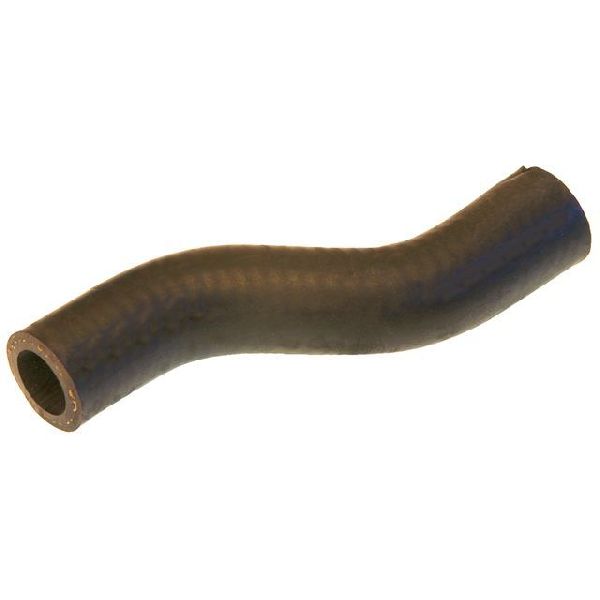
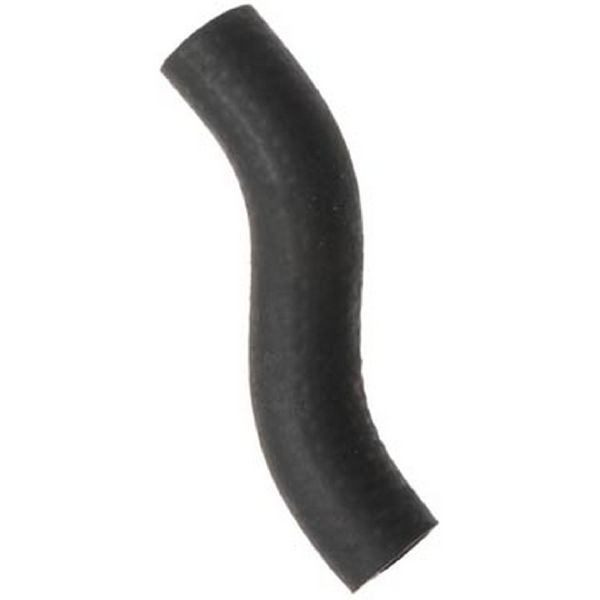
The hose is a pre-formed, molded shape made from EPDM rubber to resist heat and chemicals. It is engineered to fit between the water pump and intake manifold on various Buick V6 and V8 engines of the era.
We Have This Part in Stock

The information in this article is provided for general reference and educational purposes only. Vehicle specifications, procedures, and part compatibility can vary by production date, trim level, and region. Always consult your vehicle's factory service manual and verify part numbers before purchasing or performing repairs. Safety-critical components such as airbags, seat belts, and braking systems should be installed by a qualified professional.