

Engine Oil Pressure Switch & Sender Guide for 1965-1967 GMC L3500
Is your oil pressure gauge acting up? Here’s what to know before you replace the sending unit on your classic GMC L3500.
- A gauge reading zero, maxed out, or jumping erratically are the top signs of a failing oil pressure sender.
- Always check your engine oil level first if the gauge reads low; it could be a real, engine-damaging problem.
- The sender is usually located behind the distributor or near the oil filter; confirm its location on your truck before buying.
- Standard Ignition is a reputable aftermarket brand, offering a good balance of quality and price for this part.
Is Your Oil Gauge Lying? Understanding the Problem
The oil pressure gauge in your classic GMC truck is a vital tool. Unlike a simple warning light, it gives you a real reading of the engine's condition. It's normal for the needle to rise as you accelerate and fall as you idle. However, when the sending unit fails, it can send false, alarming signals to the gauge. The most common failures cause the gauge to read zero, get stuck at maximum pressure, or leak oil from the sensor itself.
Warning: A Zero Reading is a Critical Signal
If your oil pressure gauge reads zero or extremely low, you must stop the engine as soon as it is safe. While a faulty sender is a likely cause, it could also indicate a real loss of oil pressure. Driving with no oil pressure can destroy your engine in a matter of minutes. Always check your engine oil level immediately before assuming the sensor is the problem.
Choosing the Right Aftermarket Sending Unit
For a vintage truck like the L3500, finding original GM parts can be difficult. The market primarily consists of new aftermarket brands. Your choice comes down to balancing cost and quality.
- Standard Ignition (Premium Aftermarket): Standard Motor Products (SMP) is a long-standing brand in the aftermarket world. It is generally considered a reliable, mid-to-premium grade choice that provides good fit and function. While some online forum users have reported occasional failures, it is often recommended as a quality alternative to OEM parts.
- Global Parts (Value): This brand falls into the economy or value-tier. While the price is lower, quality and longevity can be less consistent than with premium brands. This may be an acceptable option for a truck that sees limited use, but for a daily driver or work truck, a more established brand is often a better long-term investment.
Cost of Replacing an Engine Oil Pressure Sender
| Item | Estimated Cost |
|---|---|
| New Aftermarket Sender | $15.89 - $62.07 |
| Shop Labor | $50 - $100 |
Frequently Asked Questions (FAQ)
Where is the oil pressure sender located on my L3500?
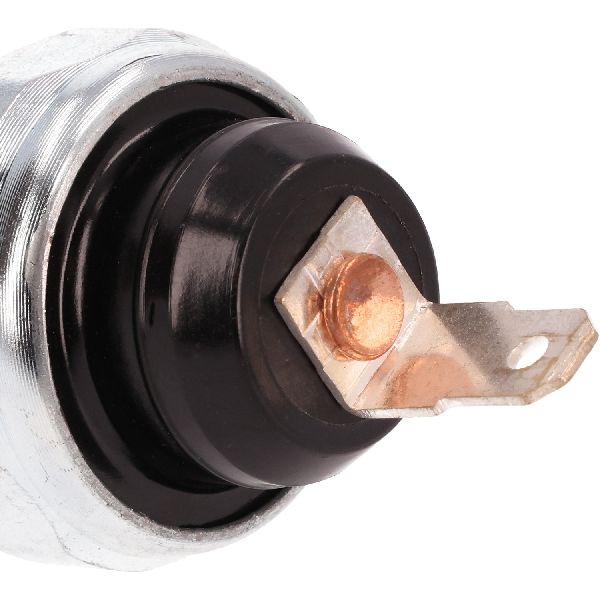
On GM V8 engines from this era, the sender is typically in one of two places. The most common location is at the top rear of the engine block, right behind the distributor. It may also be found on the driver's side of the engine block, near the oil filter. It's a small, can-shaped sensor with a single wire. Check both locations on your engine before ordering a new part.
How hard is it to replace the oil pressure sender myself?
This is a very DIY-friendly job for most home mechanics. The main challenge is simply reaching the sensor, especially if it's behind the distributor. A special deep socket designed for oil pressure senders can make the job much easier. The entire process usually takes less than an hour.
Is it normal for the gauge needle to move around?
Yes. The oil pump is engine-driven, so its pressure changes with engine RPM. You should see the pressure rise when you accelerate and fall when you idle. You only need to be concerned if the needle is pegged at zero, maxed out, or fluctuating wildly while driving at a steady speed.
How do I know if it's the sender or a real oil pressure problem?
The only way to be certain is to test the engine's oil pressure with a mechanical gauge. This involves removing the sender, temporarily installing the test gauge in its place, and running the engine to see the true pressure. If the pressure is good, the sender is bad. If the pressure is low, you have a more serious internal engine issue that needs immediate attention.
Technical Specifications
Typically features a single electrical terminal for the gauge wire and a threaded base (commonly 1/8" NPT) for screwing into the engine block.
We Have This Part in Stock


The information in this article is provided for general reference and educational purposes only. Vehicle specifications, procedures, and part compatibility can vary by production date, trim level, and region. Always consult your vehicle's factory service manual and verify part numbers before purchasing or performing repairs. Safety-critical components such as airbags, seat belts, and braking systems should be installed by a qualified professional.