

1964-1988 Buick Skylark Speedometer Cable: A Comprehensive Guide
Fix your bouncing, noisy, or dead speedometer with the right replacement cable for your classic Skylark.
- Symptoms like a bouncing needle or squealing from the dash almost always point to a bad speedometer cable.
- Before installing any new aftermarket cable, pull the inner core out and lubricate it with speedometer cable grease for a long, quiet life.
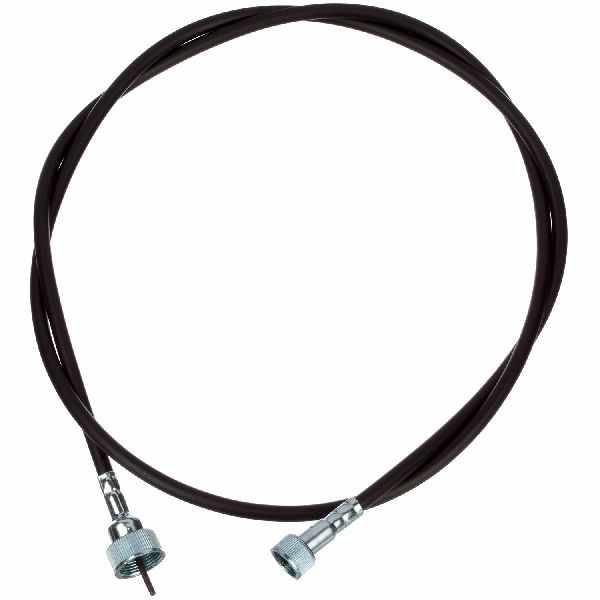
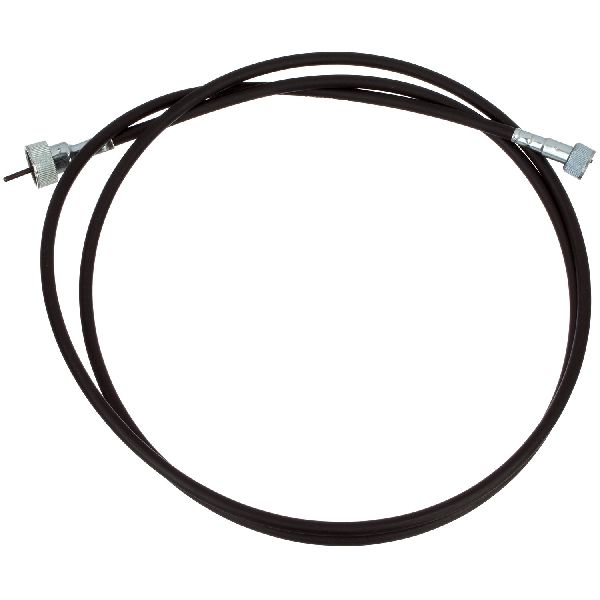
- Measure your old cable's length before ordering to ensure you get the correct part, as lengths vary significantly by year and options like cruise control.
- Ensure the cable is routed with smooth, gentle curves to prevent binding and premature failure.
Is Your Skylark's Speedometer Acting Up?
For the 1964-1988 Buick Skylark, the speedometer is driven by a physical cable, not electronics. When this cable starts to fail, the symptoms are usually obvious. Because this is a mechanical system, problems are almost always traced back to the cable itself or a lack of lubrication.
Common Failure Symptoms
- Bouncing or Wavering Needle: The most common sign of a problem is a speedometer needle that jumps around erratically instead of moving smoothly. This usually happens because the inner cable is binding and releasing inside the outer housing.
- Squealing or Chirping Noises: A high-pitched squeal or chirp from behind the dashboard that changes with vehicle speed points to a dry or failing cable. The noise is caused by the metal cable spinning inside its protective sheath without enough lubrication.
- No Speed Reading: If the speedometer needle doesn't move at all, the inner cable has likely snapped or become disconnected at the transmission or the speedometer head.
No Recalls or TSBs Found
A thorough search of the National Highway Traffic Safety Administration (NHTSA) database found no recalls or Technical Service Bulletins (TSBs) for speedometer cables on the 1964-1988 Buick Skylark. Failures are typically due to age and normal wear.
Choosing the Right Aftermarket Speedometer Cable
New Original Equipment (OEM) cables for these classic Skylarks are no longer produced. The market consists entirely of aftermarket replacements that fall into a few categories.
Brand Tiers & Quality
- Economy (Direct Fit): ATP & Pioneer Cable
These brands offer affordable, direct-fit replacement cables designed to function like the original part. Reviews show they are a good value, but fitment can sometimes be an issue—cables might be slightly too long or too short for a specific year and transmission combination. It is critical to verify the length you need before ordering. - Pro Tip: Many owners report that budget-friendly cables like ATP and Pioneer come with very little grease from the factory. For a long, quiet life, pull the inner cable out of the new housing, apply a quality speedometer cable lubricant (like graphite-based grease), and re-insert it before installation. Do not pack grease into the last few inches near the speedometer head, as it can work its way into the instrument and cause damage.
- Performance / Custom (Cut-to-Fit): Lokar
Lokar is a premium brand popular in the hot rod and restoration community. They offer universal, cut-to-fit cable kits made with high-quality materials like stainless steel housings and billet aluminum ends. While significantly more expensive, they provide a durable, professional-grade solution perfect for custom builds or owners wanting the best available quality. - Specialty: B&M
B&M is a performance transmission company. Their speedometer cable offerings are typically service parts for their shifter or transmission conversion kits, not standard, full-length replacement cables for a stock Skylark.
Estimated Costs
| Part Type | Cost Range |
|---|---|
| New Aftermarket (ATP, Pioneer) | $15 - $40 |
| New Aftermarket (Lokar) | $100 - $152 |
| Shop Labor | $100 - $300 |
Frequently Asked Questions (FAQ)
Is it hard to replace a Skylark speedometer cable myself?
For a DIY mechanic, this is usually a manageable job. The difficulty is often in accessing the back of the speedometer. On some models, you can reach it from under the dash, while others may require removing instrument cluster trim or lowering the steering column. The cable unscrews from the transmission and typically uses a simple spring clip at the speedometer head. A common trick is to tie a string to the old cable before pulling it out, which you can then use to easily pull the new cable back through the firewall.
Do I need a one-piece or two-piece cable?
Some Skylark models, especially those with cruise control, used a two-piece cable system (upper and lower). It is crucial to check your vehicle's specific setup before ordering. If you have cruise control, you may only need to replace the upper or lower section that has failed.
Why is my new cable still noisy or bouncy?
This is almost always caused by improper routing or lack of lubrication. Ensure the cable housing makes wide, gentle bends with no sharp kinks between the transmission and the firewall. A sharp bend will cause the inner cable to bind and lead to noise and premature failure. Also, confirm the cable was properly lubricated before installation.
How do I make sure I order the right length?
The 1964-1988 Skylark had many different transmission and option combinations, leading to different cable lengths. The most reliable method is to remove your old cable and measure its length from tip to tip. Compare this measurement to the length specified in the part description before buying.
Technical Specifications
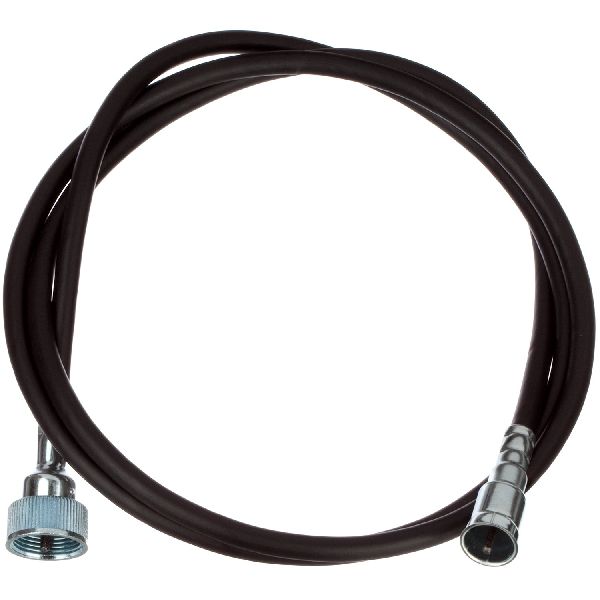
Connection types are typically a threaded nut at the transmission and either a threaded nut or a spring-clip connection at the speedometer head. Common GM thread sizes are 5/8"-18 and 7/8"-18. Cable length is the most critical specification and varies widely from ~41 inches to over 80 inches depending on the application.
We Have This Part in Stock


The information in this article is provided for general reference and educational purposes only. Vehicle specifications, procedures, and part compatibility can vary by production date, trim level, and region. Always consult your vehicle's factory service manual and verify part numbers before purchasing or performing repairs. Safety-critical components such as airbags, seat belts, and braking systems should be installed by a qualified professional.