

Dodge Lancer Ignition Coil Guide for 1961-1962 Models
Everything you need to know about replacing or upgrading the ignition coil on your classic Slant-6 Lancer.
- The user-provided year range of 1964-1984 is incorrect; the relevant classic Dodge Lancer was produced from 1961-1962.
- Upgrading to a performance coil like an MSD can improve starting, idle quality, and throttle response on the Slant-6 engine.
- Replacing the ignition coil is a simple, beginner-friendly DIY task that takes less than 30 minutes.
- Ensure you use the correct ballast resistor if required by your new coil to prevent damage to the ignition system.
Signs of a Failing Ignition Coil
The ignition coil on these classic Lancers is a simple, oil-filled canister that is generally reliable. However, they can fail over time due to age, heat, and vibration. When a coil starts to go bad, it usually gives you some warning signs.
Common Symptoms:
- No-Start or Hard Starting: A completely dead coil means no spark, and the engine won't start at all. A weak coil can make the engine difficult to start, especially when cold.
- Engine Misfires: You might feel the engine stumble, shake, or run unevenly. This happens because the weak spark isn't consistently igniting the fuel in one or more cylinders.
- Poor Performance and Power Loss: A failing coil can't provide enough voltage for a strong spark under load. This can make your Lancer feel sluggish when you accelerate.
- Stalling: The engine may stall, especially after it has warmed up. Heat can make a failing coil's internal components expand and lose connection, cutting off the spark until it cools down.
- Visible Damage: Look for cracks in the coil's housing or signs of oil leaking out. This is a sure sign the coil needs to be replaced immediately.
Choosing the Right Aftermarket Coil
For your 1961-1962 Lancer, you have two main choices: a standard replacement coil or a high-performance aftermarket coil. The original ignition system is simple, using either points or an early electronic setup.
OEM-Style vs. Performance Aftermarket (MSD)
A standard replacement coil will restore the ignition system to its factory performance. They are affordable and a good choice for a daily driver or a stock restoration.
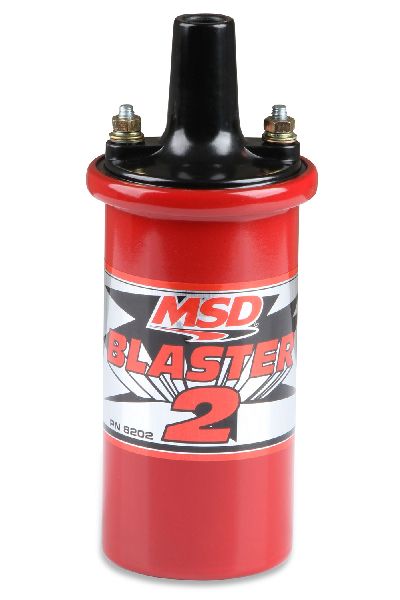
A performance coil, like the one from MSD, is designed to produce a higher voltage spark. This can provide several benefits, especially if you have other performance upgrades. Owners of cars with Slant-6 engines who upgrade to MSD ignition components often report smoother idling, quicker starts, and more reliable acceleration. An MSD Blaster coil is a popular choice for those looking to get more consistent spark energy, which can be a benefit even on a mostly stock engine. Keep in mind that high-performance coils may require specific installation, such as the use of a ballast resistor, to be compatible with the stock ignition system.
Cost of New Aftermarket Ignition Coil
| New Aftermarket (Performance - MSD) | $85.56 |
| New Aftermarket (Standard Replacement) | $18 - $55 |
Known Issues, Recalls, and TSBs
There are no recalls or Technical Service Bulletins (TSBs) from the National Highway Traffic Safety Administration (NHTSA) for the ignition coil on the 1961-1962 Dodge Lancer. This is normal for a vehicle of this age. Any issues you'll encounter are related to the normal wear and tear of a 60-year-old component.
Frequently Asked Questions (FAQ)
Do I need to upgrade to a performance coil?
For a completely stock Lancer used for casual driving, a standard replacement coil is perfectly fine. However, if you want to improve spark energy for better throttle response and a smoother idle, a performance coil like an MSD is a popular and effective upgrade.
What is a ballast resistor and do I need one?
A ballast resistor is a ceramic block used in older ignition systems to reduce the voltage going to the coil once the engine is running, which prevents the coil and ignition points from overheating. Whether you need one depends on the coil you choose. Always follow the coil manufacturer's instructions; some performance coils require a specific ballast resistor to work with a stock ignition system.
Can I replace the ignition coil myself?
Yes, this is a very easy job for a DIY mechanic. The ignition coil is typically mounted on the fender or engine block with one or two bolts. It has two small electrical terminals and one large connection for the wire that goes to the distributor cap. The entire job usually takes less than 30 minutes with basic hand tools.
Should I mount my new oil-filled coil upright?
While many canister coils are mounted sideways from the factory, some owners and manufacturers suggest mounting them upright if possible. This can help prevent the oil inside from leaking over many years of service. However, mounting it in the stock location and orientation is generally acceptable.
Technical Specifications
OEM Part Numbers: 2095374 2495531 2095501 2275590
Coil Type: Canister, Oil Filled. Voltage: 12V. Ignition Type: Points or Standard Electronic.
We Have This Part in Stock

The information in this article is provided for general reference and educational purposes only. Vehicle specifications, procedures, and part compatibility can vary by production date, trim level, and region. Always consult your vehicle's factory service manual and verify part numbers before purchasing or performing repairs. Safety-critical components such as airbags, seat belts, and braking systems should be installed by a qualified professional.