

Ford Custom Universal Joint: A Guide for 1964-1972 Models
Address those clunks and vibrations by choosing the right replacement U-joint for your classic Ford Custom.
- Listen for a 'clunk' when shifting into gear or a vibration at speed; these are the most common signs of a bad U-joint.
- For maximum durability, choose a premium brand like Dana Spicer or Moog.
- Consider using greasable U-joints and service them with every oil change for extended life.
- Always replace U-joints in pairs and mark the driveshaft's orientation before removal to prevent vibration issues.
Is Your Ford Custom's U-Joint Failing?
A failing universal joint gives clear warning signs. Because these cars are from an era of simple, robust mechanics, the symptoms are usually easy to spot. The most common cause of failure is a lack of lubrication, which causes the small needle bearings inside the U-joint caps to rust and wear out. This creates excess play in the driveshaft.
Key Symptoms to Watch For:
- Clunking Noise: A distinct "clunk" or "thud" when you shift from Park into Drive or Reverse is a classic sign of a worn U-joint. This is the sound of the driveshaft taking up the slack in the worn joint.
- Vibrations: You might feel a vibration throughout the car, often starting around 25-35 mph and sometimes getting worse at higher speeds (around 60 mph). This happens because the worn joint allows the driveshaft to become unbalanced.
- Squeaking Sounds: A cyclical squeaking or chirping noise that changes with your speed, especially at lower speeds, often points to a U-joint that has lost its grease and is running dry.
Can I Keep Driving with a Bad U-Joint?
It is not recommended. While you can drive for a short period with early symptoms, a complete U-joint failure is serious. If it breaks, the driveshaft can detach from the car, leading to a loss of power and potentially causing significant damage as it hits the underside of your vehicle or the road.
Choosing the Right Aftermarket U-Joint
For a 1964-1972 Ford Custom, new OEM (Original Equipment Manufacturer) parts are generally not available. Aftermarket parts are your primary option and offer excellent quality, often exceeding the original specifications. The main choice you'll make is between different brands and whether to use a greasable or a sealed (non-greasable) joint.
Brand Quality Tiers
Based on owner feedback and mechanic consensus, aftermarket U-joint brands can be grouped into tiers:
- Premium (Heavy-Duty): Dana Spicer & Moog
Dana Spicer is a highly respected name and was an original equipment supplier for many manufacturers. They are widely considered a top-tier choice for durability. Moog is also a well-regarded brand in suspension and driveline parts, though some users note that quality can vary depending on the specific part and where it was made. For heavy use or just peace of mind, you can't go wrong with Spicer. - Standard (OEM Quality): SKF & GMB
SKF is a world leader in bearings, and their U-joints are known to be high-quality, reliable replacements. GMB is a common OEM supplier for many Japanese cars and is generally seen as a solid, dependable choice in the aftermarket. These brands offer a great balance of quality and price for a daily driver or a weekend cruiser. - Economy: ACDelco & Store Brands
ACDelco offers a wide range of parts that meet or exceed original specifications. They are a reliable choice for standard replacement needs. Many auto parts store brands are re-boxed parts from major manufacturers and can offer good value, but quality can be less consistent.
Greasable vs. Non-Greasable U-Joints
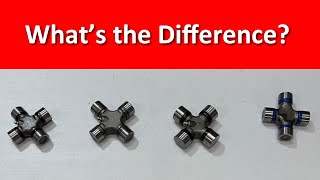
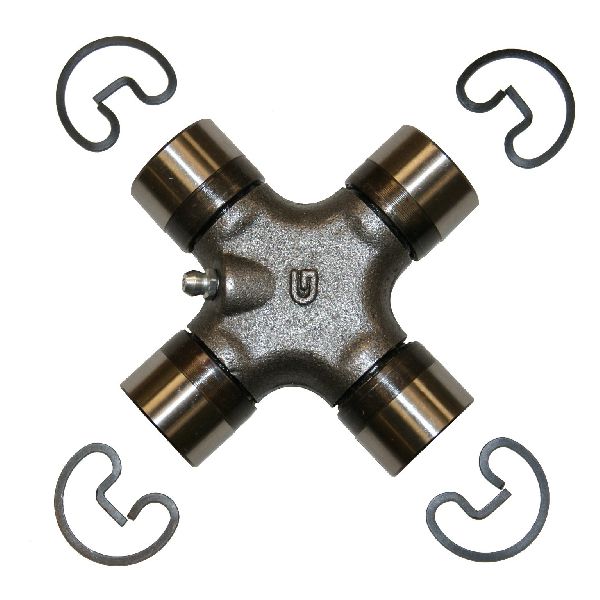
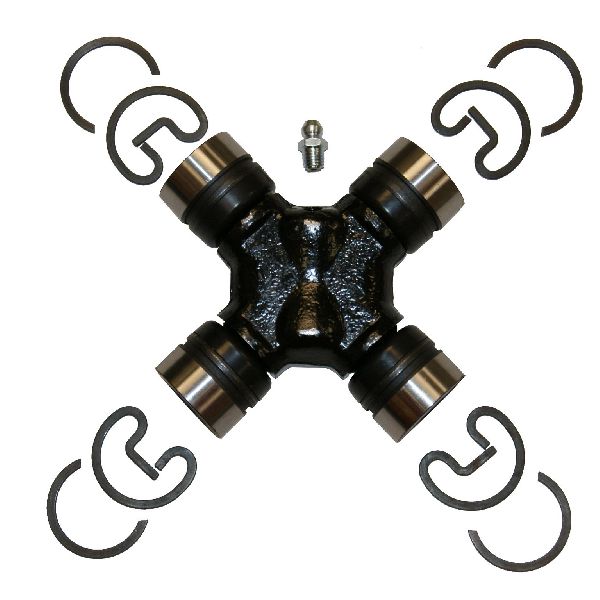
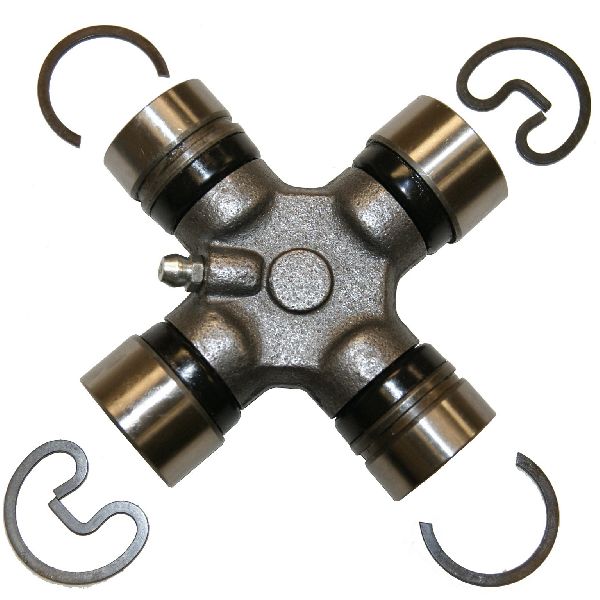
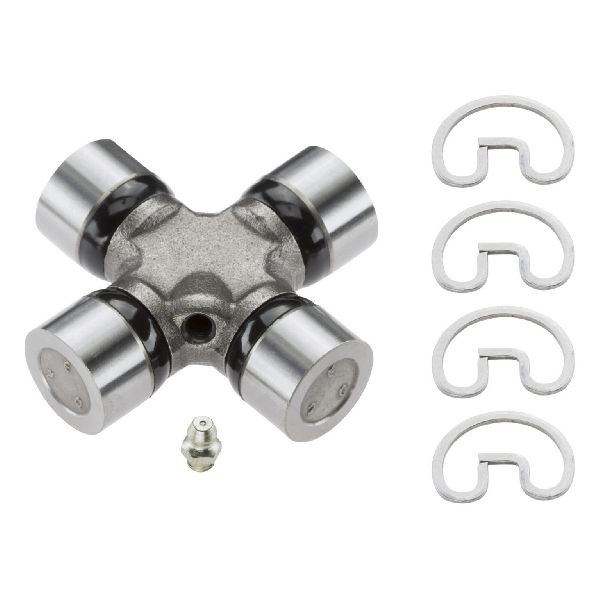
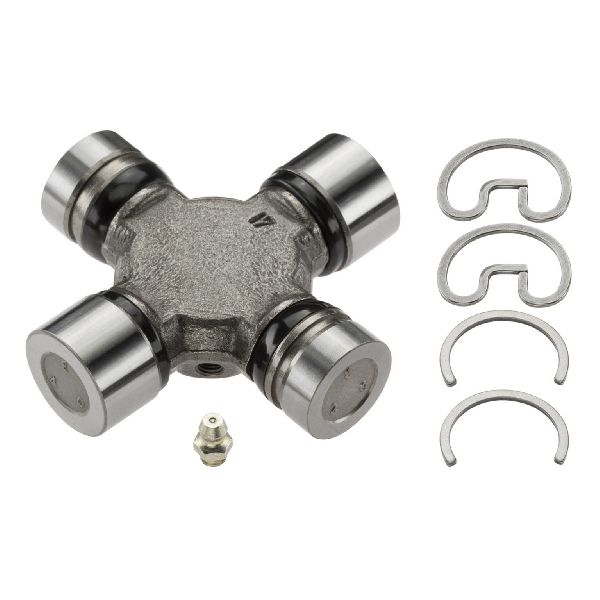
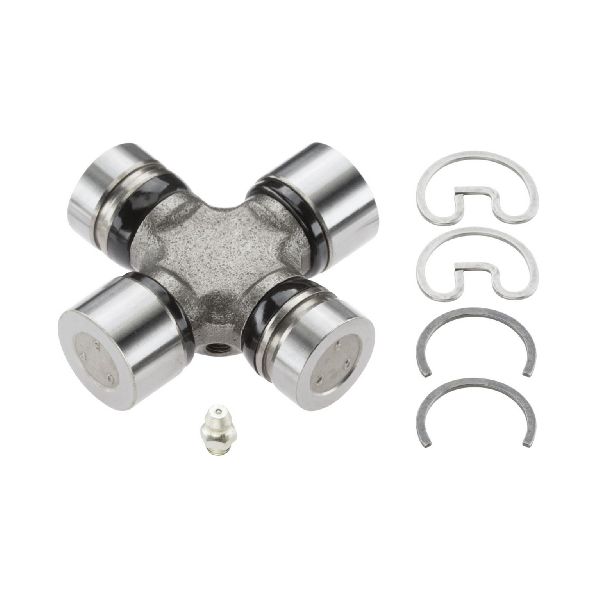
🎬 Watch this comparison to choose between greasable and sealed joints.Many aftermarket U-joints come with a grease fitting (a zerk fitting), allowing you to add grease periodically. This can extend the life of the joint by flushing out old grease and contaminants. Non-greasable (sealed) joints are often considered stronger because the cross is solid, not drilled for grease passages. For a classic car that sees regular maintenance, greasable joints are an excellent choice for longevity. If you prefer a fit-and-forget solution, a high-quality sealed joint from a brand like Spicer is a great option.
Common Ordering Mistakes & Installation Tips
- Check Measurements: While many Ford Customs in this era use a common U-joint size (like the 1310 series), it's always best to measure your old joint's cap diameter and overall width before ordering.
- Replace in Pairs: Your driveshaft has at least two U-joints (one at the transmission, one at the differential). It is highly recommended to replace them both at the same time for balanced performance and to avoid doing the job twice.
- Mark Everything: Before removing the driveshaft, use paint or a marker to make alignment marks on the shaft and the yokes at the transmission and differential. This ensures you reinstall it in the same orientation to maintain its balance and prevent vibrations.
Frequently Asked Questions (FAQ)
How many U-joints does my 1964-1972 Ford Custom have?
Most Ford Custom models from this era have a single-piece driveshaft with two U-joints: one at the front connecting to the transmission and one at the rear connecting to the differential. Some station wagon or heavy-duty models may have a two-piece driveshaft, which would have three U-joints and a center support bearing.
Is replacing a U-joint a DIY job?
Yes, for someone with moderate mechanical skill and the right tools. The driveshaft must be removed from the car. Removing the old U-joint and pressing in the new one requires a large vise, a special U-joint press tool (often available through loaner programs), or a hammer and sockets. It is critical to not damage the driveshaft yokes or the new U-joint caps during installation.
Were there any recalls for U-joints on the Ford Custom?
Searches of the National Highway Traffic Safety Administration (NHTSA) database show no specific recalls or technical service bulletins (TSBs) related to universal joints for the 1964-1972 Ford Custom. This is common for vehicles of this age.
How often should I grease my new U-joints?
If you install greasable U-joints, a good practice is to give them a pump or two of quality chassis grease with every oil change. This simple step can significantly extend their service life.
Helpful Videos
Technical Specifications
The most common U-joint series for this era is the 1310 series, but measuring cap diameter and width is essential to confirm the correct fitment for your specific vehicle.
We Have This Part in Stock

The information in this article is provided for general reference and educational purposes only. Vehicle specifications, procedures, and part compatibility can vary by production date, trim level, and region. Always consult your vehicle's factory service manual and verify part numbers before purchasing or performing repairs. Safety-critical components such as airbags, seat belts, and braking systems should be installed by a qualified professional.