

1964-1972 Ford Custom Radiator Hose Replacement Guide
Keep your classic Ford Custom running cool and prevent overheating by knowing when to replace your radiator hoses.
- Radiator hoses fail due to age and heat, causing cracks, swelling, or leaks.
- Symptoms include coolant puddles, visible hose damage, a spongy feel, and engine overheating.
- Always replace upper and lower hoses at the same time for reliability.
- Modern aftermarket brands like Gates, Dayco, and Continental are high-quality and often superior to the original 1960s/70s parts.
Why Radiator Hoses Fail on a Classic Ford
The radiator hoses in your 1964-1972 Ford Custom are made of rubber. Over decades of use, the material breaks down. Heat from the engine, exposure to oil, and the chemicals in coolant all cause the rubber to age. Hoses can become hard and brittle, leading to cracks. They can also become soft and spongy, which might cause them to swell or even collapse under pressure. A failed hose can quickly lead to an overheating engine, which can cause serious and expensive damage.
Symptoms of a Bad Radiator Hose
Catching a bad hose early can save you from being stranded. Look for these signs:
- Coolant Leaks: Puddles of green, yellow, or orange fluid under your car are a major red flag. You might also see dried, crusty residue around the hose connections.
- Visible Damage: Check the hoses for cracks, splits, or bulges. A swollen or bulging hose is weak and could burst at any moment.
- Spongy or Hard Feel: When the engine is cool, squeeze the hoses. They should feel firm but flexible. If a hose feels mushy, spongy, or rock-hard, it's time for a replacement.
- Engine Overheating: If your temperature gauge starts climbing, a collapsed or leaking hose could be the cause. A collapsed hose restricts coolant flow, leading to overheating.
Check Both Hoses
If one radiator hose has failed, the other is likely not far behind. It's always best practice to replace both the upper and lower radiator hoses at the same time.
Choosing the Right Aftermarket Hose
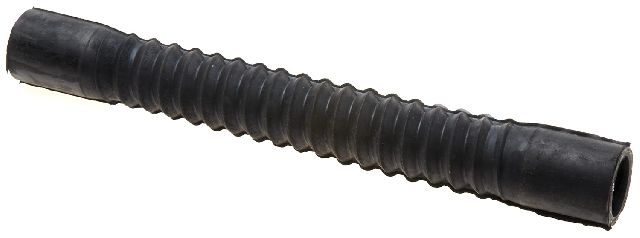
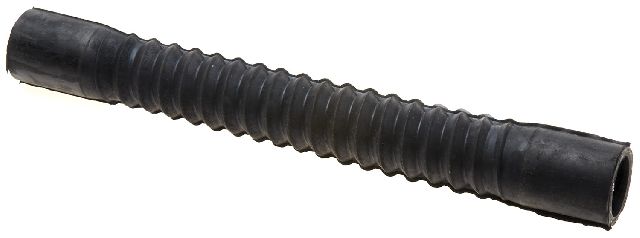
For a vehicle from the 1960s and 70s, original "OEM" hoses are no longer manufactured. Aftermarket hoses are your only option, but the good news is that modern hoses are often better than the originals. They are typically made from EPDM rubber, which is more resistant to heat, ozone, and chemical degradation.
The main brands available—Gates, Dayco, and Continental—are all well-regarded manufacturers that supply parts to car companies directly. For a classic car like the Ford Custom, you can trust any of these brands to provide a quality replacement part. The most important factor is ensuring you get a molded hose that is the correct shape for your specific engine and year to avoid kinks or contact with other engine parts.
- Gates: Often seen as a top-tier brand with a strong reputation for quality and proper fitment.
- Dayco: A solid and reliable choice, sometimes noted for being slightly thicker than other brands.
- Continental: Another high-quality OEM supplier with a good reputation for durable rubber products.
Don't Forget the Clamps
It's highly recommended to replace the hose clamps whenever you install new hoses. Old clamps can lose their tension and may not provide a secure seal. Modern spring-style or worm-gear clamps are both effective options.
Cost of Replacing Radiator Hoses (1964-1972 Ford Custom)
| Part Type | Average Cost |
|---|---|
| New Aftermarket Hoses (Per Hose) | $16.23 - $68.08 |
| Shop Labor | $100 - $200 |
Frequently Asked Questions
Can I drive with a leaking radiator hose?
No. A leaking radiator hose will lead to coolant loss and cause the engine to overheat, which can result in catastrophic engine damage. You should pull over immediately and shut off the engine.
How often should I replace the radiator hoses on my classic Ford?
There is no exact interval, but it's a good idea to inspect them at every oil change. Due to age, it's wise to consider replacing hoses that are more than 5-10 years old as preventative maintenance, even if they don't show obvious signs of failure.
Is replacing a radiator hose a difficult job?
For a 1964-1972 Ford Custom, this is a relatively simple job for a DIY mechanic. It involves draining the coolant, removing the old clamps and hoses, and installing the new ones. The most important steps are ensuring the system is cool before you start and properly refilling and bleeding the air out of the cooling system afterward.
What kind of coolant should I use in my Ford Custom?
For classic cars like the Ford Custom, a conventional "green" Inorganic Additive Technology (IAT) antifreeze is typically recommended. Always mix it 50/50 with distilled water. Check your vehicle's service manual for specific recommendations.
Technical Specifications
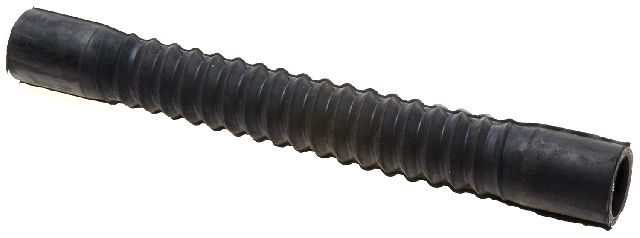
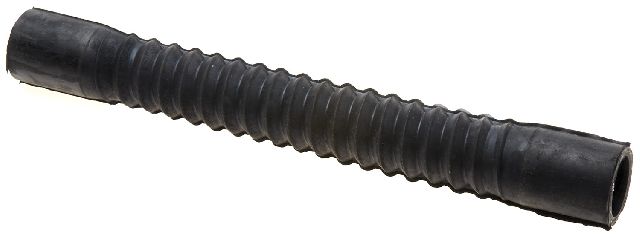
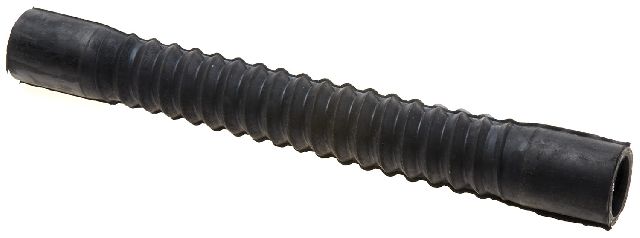
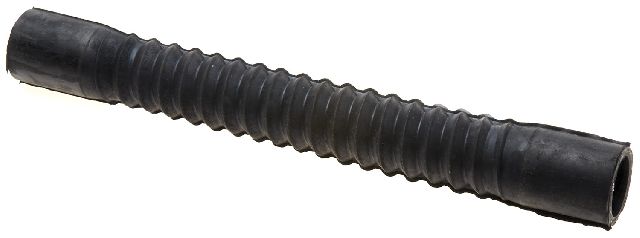
Hoses for the 1964-1972 Ford Custom are vehicle-specific and depend on the engine size (e.g., 352, 390, 427 V8). They are typically made of EPDM rubber and are pre-molded to fit the specific routing required. It is crucial to order the correct part number for your vehicle's year and engine configuration.
We Have This Part in Stock

The information in this article is provided for general reference and educational purposes only. Vehicle specifications, procedures, and part compatibility can vary by production date, trim level, and region. Always consult your vehicle's factory service manual and verify part numbers before purchasing or performing repairs. Safety-critical components such as airbags, seat belts, and braking systems should be installed by a qualified professional.