

Radiator Coolant Hose Guide for the 1964-1971 Mercury Cyclone
Keep your classic Cyclone's big-block V8 from overheating by understanding when and how to replace your radiator hoses.
- Visually inspect hoses for cracks, bulges, and leaks at every oil change.
- Replace hoses every 4-5 years as preventative maintenance, as age is the primary factor in failure on classic cars.
- Use a high-quality molded aftermarket hose from a brand like Gates, Dayco, or Continental for proper fit.
- Always use traditional 'green' coolant and replace hose clamps when installing new hoses.
Signs of a Failing Radiator Hose
For a classic car like the Mercury Cyclone, radiator hoses are a common wear item. Age, heat, and oil contamination can cause the rubber to break down. It's important to inspect them regularly. A failed hose can leave you stranded and cause expensive engine damage. Look for these warning signs:
- Coolant Leaks: Puddles of green, yellow, or blue fluid under your car are a tell-tale sign of a leak. You might also see dried coolant crust around the hose clamps or on the hose itself.
- Visible Damage: Check for cracks, splits, or holes in the hoses. Over time, the rubber can become hard and brittle.
- Swelling or Bulging: If a hose looks swollen or feels soft and spongy, it's a sign of internal weakness and it could burst at any moment. This can be caused by oil contamination breaking down the rubber.
- Engine Overheating: If your temperature gauge climbs into the red, a bad hose could be the cause. This might be from a major leak or a collapsed hose blocking coolant flow.
Critical Warning
If you see steam coming from under the hood or your temperature gauge is in the red, pull over immediately and shut off the engine to prevent catastrophic damage like a cracked block or warped cylinder heads.
Choosing the Right Aftermarket Hose
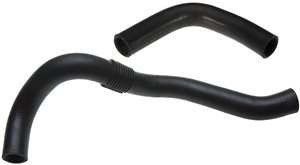
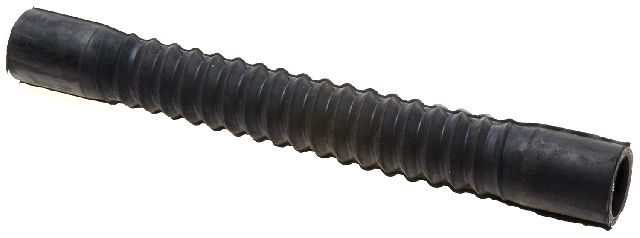
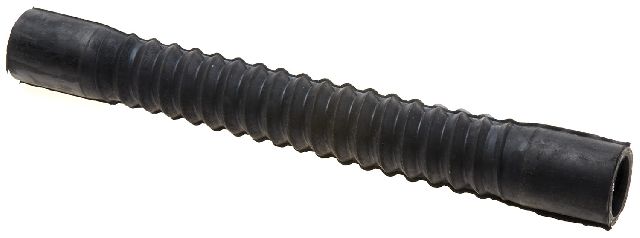
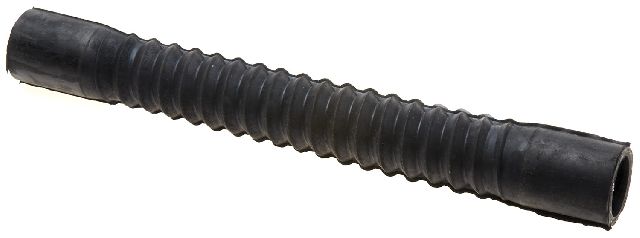
For a vintage vehicle like the 1964-1971 Cyclone, finding original "OEM" Ford hoses is nearly impossible. The good news is that several reputable aftermarket brands produce high-quality molded hoses that are designed to fit just like the originals. Molded hoses are pre-shaped to the exact bends and lengths needed for your specific engine, preventing kinks that can restrict coolant flow. Avoid using generic flexible hoses, as they may not route correctly and can easily kink.
When shopping for your Cyclone, you will encounter these reliable brands:
- Gates: Often considered a top-tier aftermarket brand, Gates is a supplier for many car manufacturers. Owners generally report excellent fitment and quality, making them a trusted choice for classic American vehicles.
- Dayco: Another well-regarded brand, Dayco hoses are known for their durability. Some users note they can be slightly thicker than other brands, which is neither a pro nor a con, but a matter of preference. Fitment is generally good, but like any aftermarket part, it's wise to compare it to the old hose before installation.
- Continental: Continental is a major OE supplier and a respected name in the aftermarket for rubber products. Their quality is considered on par with Gates and Dayco.
Pro Tip: Check Your Engine
The Mercury Cyclone was available with several different V8 engines over its production run (like the 390, 427, and 428). Radiator hoses are specific to the engine and year. Always double-check that the part you are ordering matches your car's exact configuration to avoid fitment issues.
Cost to Replace Mercury Cyclone Radiator Hoses
Replacing radiator hoses is a relatively inexpensive but crucial maintenance job. Below are typical cost ranges. Note that "New OEM" refers to New Old Stock (NOS) or licensed reproductions, which can be rare and expensive.
| Part Category | Estimated Cost |
|---|---|
| New Aftermarket Hoses (Per Hose) | $20 - $57 |
| Shop Labor | $100 - $200 |
| Coolant (Antifreeze) | $20 - $40 |
Frequently Asked Questions
How often should I replace my Cyclone's radiator hoses?
For a classic car that may not be driven daily, age is more important than mileage. It's a good practice to inspect hoses annually and replace them every 4-5 years as preventative maintenance, regardless of how they look. Rubber degrades over time, and a proactive replacement is much cheaper than dealing with an overheating engine.
Should I replace the hose clamps too?
Yes. It is highly recommended to replace the hose clamps whenever you replace the hoses. Old clamps can lose their tension or corrode, leading to leaks even with a new hose. Modern constant-tension clamps are a good upgrade over original worm-gear style clamps as they adjust automatically to temperature changes.
What kind of coolant should I use in my 1964-1971 Cyclone?
For these classic cars, a traditional "green" Inorganic Additive Technology (IAT) coolant is the correct choice. Do not use modern orange, pink, or purple coolants (like DEX-COOL), as their chemical composition can damage the solder and metals in the original-style radiators and heater cores.
Is replacing the radiator hoses a DIY job?
Yes, for someone with basic mechanical skills, this is a very manageable DIY project. It involves draining the coolant, removing the old hoses and clamps, installing the new parts, and refilling and bleeding the system of air. The most difficult part is often accessing the lower hose clamp and breaking the seal on a hose that has been in place for years.
Technical Specifications
Hose selection is specific to the vehicle's year and installed V8 engine (e.g., 390, 427, 428). Always verify the part number against your specific application. Hoses are typically made of EPDM rubber to resist heat and chemicals.
We Have This Part in Stock

The information in this article is provided for general reference and educational purposes only. Vehicle specifications, procedures, and part compatibility can vary by production date, trim level, and region. Always consult your vehicle's factory service manual and verify part numbers before purchasing or performing repairs. Safety-critical components such as airbags, seat belts, and braking systems should be installed by a qualified professional.