

1964-1971 Mercury Cyclone Engine Coolant Bypass Hose: A Complete Guide
Don't let a small, inexpensive hose cause major engine problems for your classic Cyclone.
- The bypass hose is crucial for preventing engine hot spots during warm-up on your Cyclone's V8.
- For this part, modern aftermarket hoses from brands like Gates, Dayco, or Continental are superior to any New Old Stock (NOS) parts.
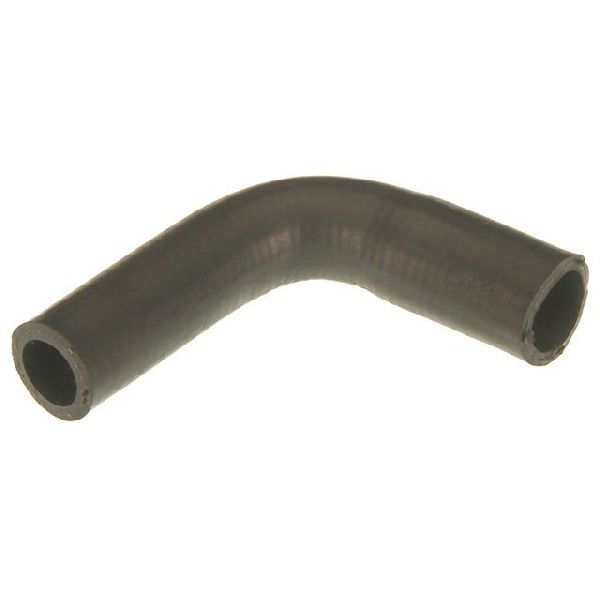
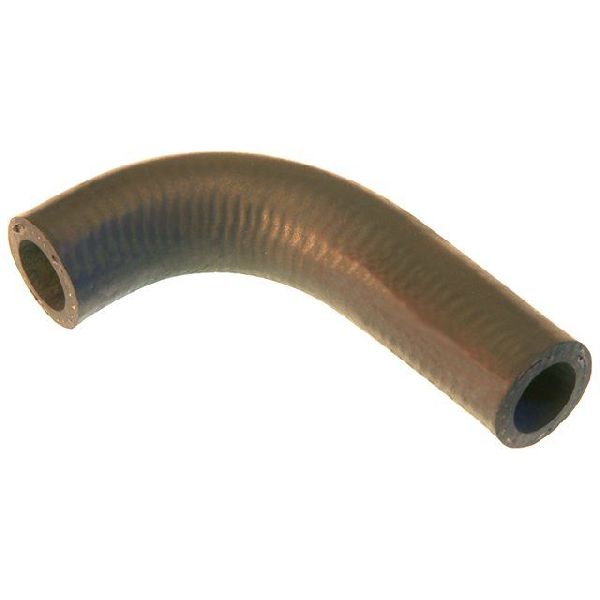
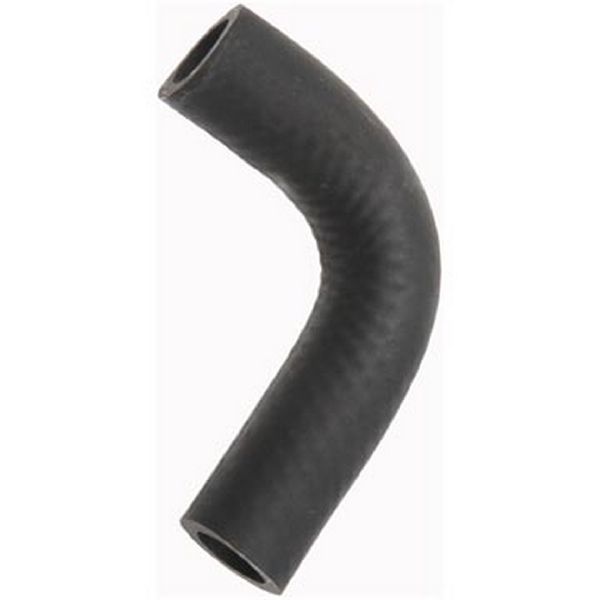
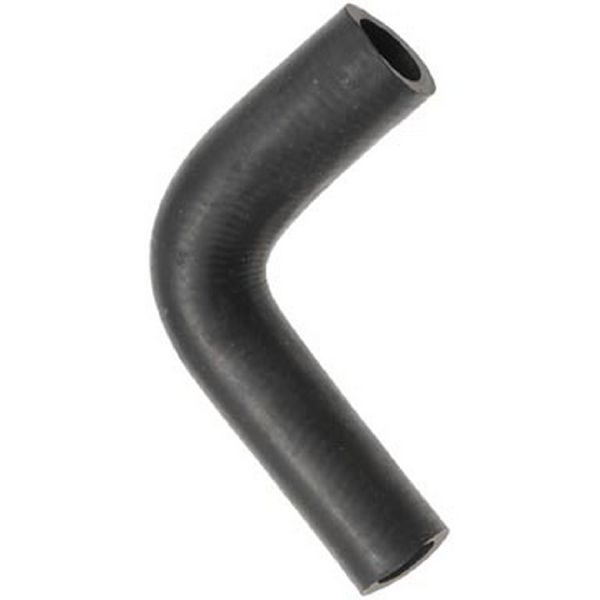
- Prioritize getting the correct MOLDED hose for your specific engine (289, 351, 390, 429, etc.) over brand loyalty; proper fitment is key to prevent kinking.
- A failing hose will leak coolant; if you see puddles or smell a sweet odor, inspect it immediately to prevent catastrophic engine overheating.
Signs of a Failing Coolant Bypass Hose
On a classic car like the Mercury Cyclone, rubber components are often the first to fail from age. The bypass hose is no exception. Ignoring the signs can lead to overheating and severe engine damage. Look for these symptoms:
- Coolant Leaks: The most common sign is a puddle of green, yellow, or orange fluid under your engine. The bypass hose is typically located at the front of the engine, connecting the water pump to the intake manifold. A leak may be a slow drip or a more serious spray.
- Sweet Smell: You may smell a distinct sweet odor from the engine bay before you see a leak. This is the scent of burning antifreeze and means you have a leak somewhere.
- Visible Damage: Inspect the hose. If you see cracks, splits, or a swollen, bloated appearance, the hose is compromised and needs immediate replacement. A soft or spongy feeling when squeezed also indicates internal rot.
- Engine Overheating: If the hose bursts, it will cause a rapid loss of coolant, leading to the temperature gauge climbing into the red. One owner of a classic car reported their bypass hose bursting and spraying coolant all over the engine bay, which can be a messy cleanup.
Choosing the Right Aftermarket Bypass Hose
For a 1964-1971 Mercury Cyclone, finding a "New Old Stock" (NOS) Ford hose is not recommended. Rubber deteriorates over decades, even on a shelf. A brand-new aftermarket hose made with modern materials is a significant upgrade in reliability.
Aftermarket Brand Tiers
| Brand | Reputation & Quality |
|---|---|
| Gates | Often considered a top-tier aftermarket brand, sometimes supplying parts directly to car manufacturers. Known for good quality and fitment, though some users in forums have occasionally found a better fit with other brands for specific classic applications. |
| Dayco | A very reputable brand that produces quality hoses and belts. Some classic car owners prefer Dayco, noting that their hoses can sometimes be thicker or offer a more precise fit than competitors. |
| Continental | Another premium brand, often sold under the ContiTech name. They are a major OEM supplier and are known for high-quality rubber products. |
Pro Tip: Fit is Everything. For classic Fords, the most important factor is not the brand, but that you get a molded hose designed for your specific engine. Cyclone models used various engines (289, 302, 351, 390, 429, etc.), and the bypass hose shape can differ. Using a generic straight hose can lead to kinks, which restrict flow and cause overheating.
Cost of Replacing a Bypass Hose (1964-1971 Mercury Cyclone)
| Part/Service | Estimated Cost | Notes |
|---|---|---|
| New Aftermarket Hose | $13.44 - $81.22 | Price varies widely based on the specific engine and whether it's a simple or complex molded hose. |
| Shop Labor | $100 - $180 | Expect about 1 hour of labor. The job also requires draining and refilling some coolant. |
| New OEM / NOS | Not Available / Not Recommended | New OEM parts are no longer made. NOS parts would be made of decades-old rubber and are unreliable. |
Frequently Asked Questions
Are there any recalls for the Cyclone's coolant bypass hose?
No, there are no recalls or specific Technical Service Bulletins (TSBs) from the NHTSA related to the engine coolant bypass hose for the 1964-1971 Mercury Cyclone. This is normal for a vehicle of this age and a part considered a standard wear-and-tear item.
Can I just use a generic straight hose instead of a molded one?
It is strongly discouraged. The bypass hose often has specific bends to navigate around other engine components. Using a straight hose can cause it to kink or rub against other parts, leading to premature failure and restricted coolant flow. Always buy the correct molded hose for your engine.
Is a more expensive aftermarket hose better?
Not necessarily. The wide price range ($13-$81) is more likely due to the complexity of the hose for different engines rather than a simple good-better-best quality scale. A simple hose for a 302 V8 might be cheaper than a complex one for a 429 V8. Focus on getting the correct part for your engine from a reputable brand like Gates, Dayco, or Continental.
How often should I replace my coolant hoses?
For a classic car that isn't driven daily, a good rule of thumb is to inspect all coolant hoses annually and plan on replacing them every 5-7 years as a preventative measure, regardless of mileage. The rubber simply degrades over time.
Technical Specifications
OEM Part Numbers: C2OZ8597D
Material: EPDM Rubber. Type: Molded, engine-specific. Function: Connects water pump to intake manifold for coolant bypass.
We Have This Part in Stock

The information in this article is provided for general reference and educational purposes only. Vehicle specifications, procedures, and part compatibility can vary by production date, trim level, and region. Always consult your vehicle's factory service manual and verify part numbers before purchasing or performing repairs. Safety-critical components such as airbags, seat belts, and braking systems should be installed by a qualified professional.