

Mercury Cyclone Differential Bearing Set Guide (1964-1971)
Keep your classic Cyclone's rear end quiet and reliable with the right differential bearings.
- Failing differential bearings typically cause a whirring or rumbling noise that changes with speed.
- This is a complex repair requiring special tools and expertise; it is not recommended for a DIY beginner.
- For this classic vehicle, a high-quality aftermarket brand like Timken is an excellent choice for durability and quiet operation.
- Always replace bearings, seals, and other related hardware as a complete kit to ensure a proper and long-lasting repair.
Is Your Cyclone's Rear End Making Noise?
A failing differential bearing in your 1964-1971 Mercury Cyclone will almost always make its presence known through noise. These classic cars, often equipped with robust Ford 8-inch or 9-inch rear ends, rely on these bearings for smooth power delivery. When they wear out, you'll hear it. The most common sound is a whirring or humming that changes with your speed. You might also hear grinding or rumbling that gets louder as you go faster. Don't ignore these sounds; a failed bearing can cause severe damage to the internal gears, turning a straightforward repair into a much more expensive one.
Symptoms of a Bad Differential Bearing Set
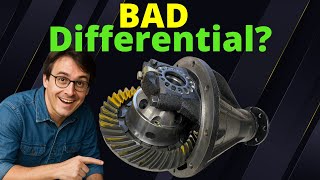
🎬 Watch this guide to identify common differential noises and vibrations.- Whirring or Howling Noise: A steady whine that gets louder with vehicle speed, often noticeable above 20 mph, is a classic sign of a worn pinion or carrier bearing.
- Rumbling or Grinding: A low-pitched rumbling sound, like marbles rolling around, points to a bearing that is starting to come apart.
- Vibrations: You may feel a vibration through the floor of the car that increases with speed. This can be caused by the driveshaft becoming unbalanced due to the failing bearing.
- Fluid Leaks: While not a direct symptom of the bearing itself, a leaking pinion or axle seal can lead to low fluid levels, which causes bearings to overheat and fail.
Choosing the Right Aftermarket Bearings
For a vehicle as old as the 1964-1971 Cyclone, finding "new OEM" parts from Mercury is not a realistic option. The choice is between New Old Stock (NOS) parts, which are rare and can be degraded from decades of storage, and modern aftermarket parts. High-quality aftermarket bearings made today often benefit from superior materials and manufacturing processes compared to parts from the 1960s.
Brand Focus: Timken
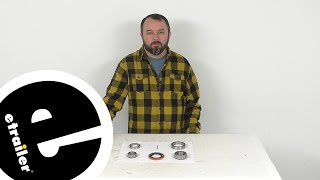
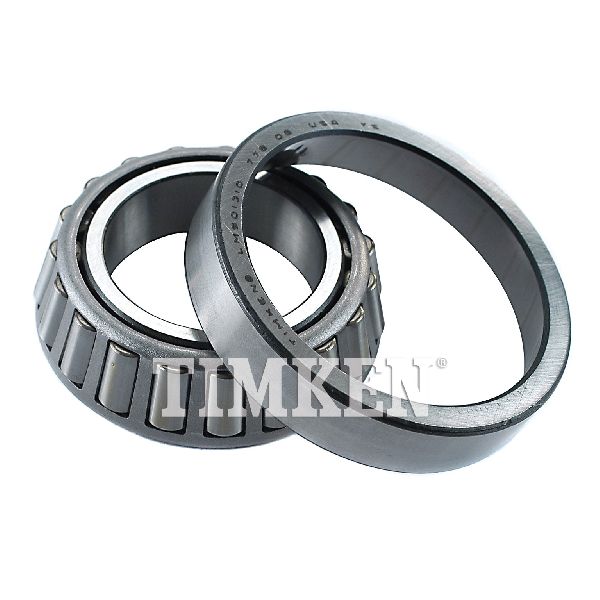
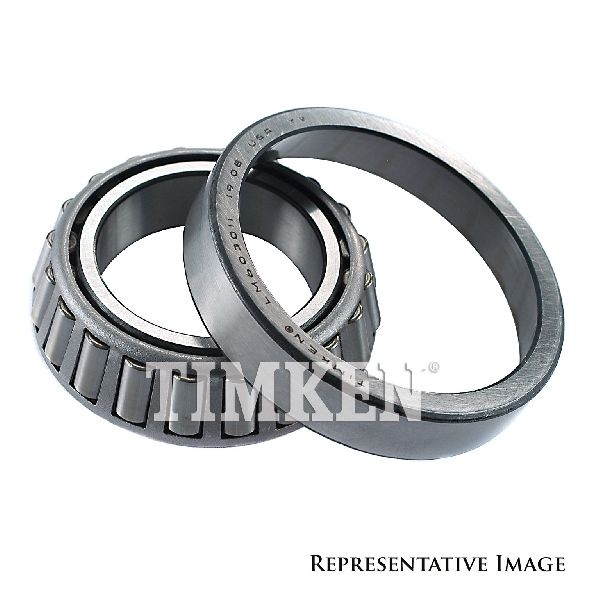
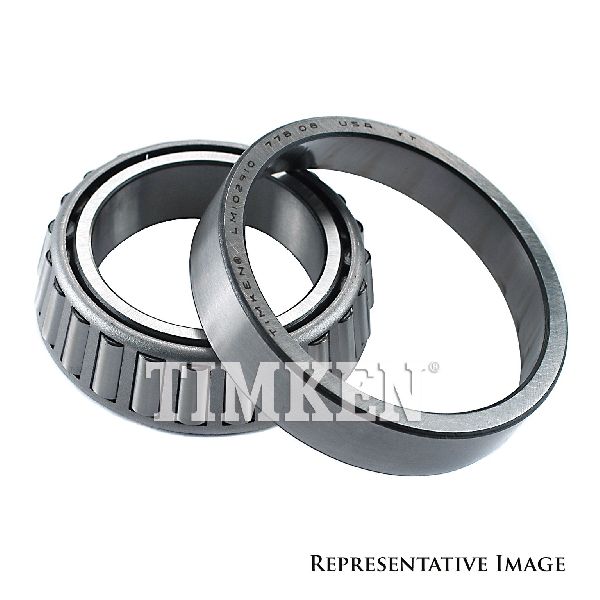
When it comes to bearings, Timken is a top-tier brand widely respected by professional mechanics and restoration experts. They are known for high-quality materials and precise manufacturing, which leads to a longer service life and quieter operation. For a critical component like a differential bearing, using a premium brand like Timken is a smart investment 🎬 See a detailed review of a Timken bearing and seal kit. to ensure a long-lasting and reliable repair. Many master rebuild kits for the popular Ford 9-inch rear end include Timken bearings.
Typical Costs for Differential Bearing Replacement
| Part/Service | Estimated Cost |
|---|---|
| New Aftermarket Bearing Set (Timken) | $35 - $40 |
| Master Rebuild Kit (includes bearings, seals, shims) | $100 - $250 |
| Shop Labor | $700 - $1,800 |
Frequently Asked Questions
Should I replace just the bearings or the whole differential?
If the only issue is bearing noise and the gears are in good shape, you only need to replace the bearings and seals (usually done as a master rebuild kit). If there is damage to the ring and pinion gears, a more extensive rebuild or a complete third-member replacement will be necessary.
Were there any recalls on the Cyclone's differential?
No specific recalls or Technical Service Bulletins (TSBs) from the National Highway Traffic Safety Administration (NHTSA) exist for differential bearing issues on the 1964-1971 Mercury Cyclone.
What else should I replace at the same time?
When replacing differential bearings, it is standard practice to also replace all seals (pinion and axle seals) and the crush sleeve (if applicable). A master install kit is the best option as it includes all these necessary components. It's also a good time to inspect the axle bearings and U-joints for wear.
What kind of gear oil should I use after the repair?
Always use a high-quality gear oil that meets the specifications for your Cyclone's rear axle. If you have a limited-slip differential (like a "Traction-Lok"), you must also add a special friction modifier additive to prevent chattering during turns.
Helpful Videos
Technical Specifications
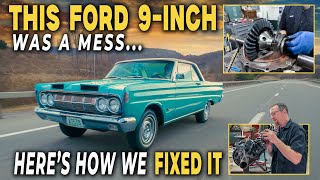
Most 1964-1971 Mercury Cyclones were equipped with either a Ford 8-inch or the more robust Ford 9-inch rear differential, especially in high-performance models.
We Have This Part in Stock

The information in this article is provided for general reference and educational purposes only. Vehicle specifications, procedures, and part compatibility can vary by production date, trim level, and region. Always consult your vehicle's factory service manual and verify part numbers before purchasing or performing repairs. Safety-critical components such as airbags, seat belts, and braking systems should be installed by a qualified professional.