

Rover 2000 Accessory Drive Belt: A Guide for the 1964-1970 Models
Keep your classic Rover's engine running cool and charging properly by choosing the right accessory drive belt.
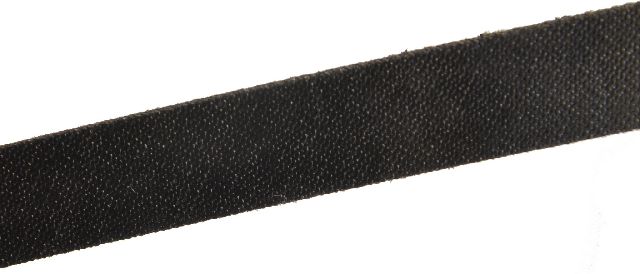
- The correct belt size for most Rover 2000 models is 10mm wide by 900mm long; always verify this before buying.
- Symptoms of failure include squealing noises, overheating, and a battery warning light.
- Replacement is simple and DIY-friendly, typically taking less than 30 minutes.
- Choose a quality aftermarket brand like Gates, Continental, or Dayco, as modern belts are superior to original 1960s parts.
Signs of a Failing Accessory Drive Belt
A drive belt on a classic car like the Rover 2000 will give you clear warnings before it fails completely. Because it's made of rubber, it wears out from age, heat, and use. Look and listen for these common symptoms:
- Squealing Noises: A high-pitched squeal, especially when starting the engine cold or during acceleration, is the most common sign of a loose or worn belt. This happens when the belt slips on the pulleys.
- Visible Wear: Inspect the belt for cracks, fraying, glazing (a shiny surface), or missing chunks. Any visible damage means it's time for a replacement.
- Overheating: Since the belt drives the water pump, a failing belt can cause your engine temperature to rise quickly.
- Battery Warning Light: A flickering or constantly lit battery/ignition light on your dashboard indicates the generator or alternator is not charging the battery, likely due to a slipping or broken belt.
Don't Ignore the Squeal
That annoying squealing noise is your car's way of telling you the belt needs attention. It might just need to be re-tensioned, but often it's a sign the belt is old and has lost its grip. Ignoring it can lead to the belt snapping, causing an immediate breakdown.
Choosing the Right Aftermarket Belt
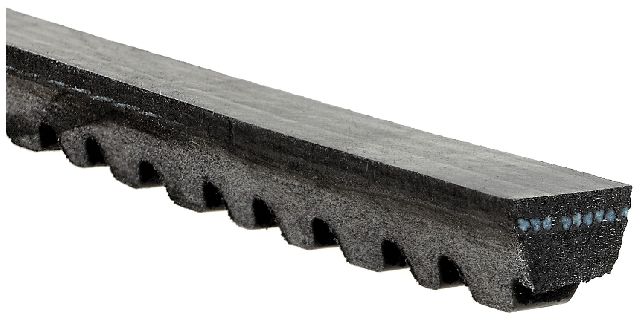
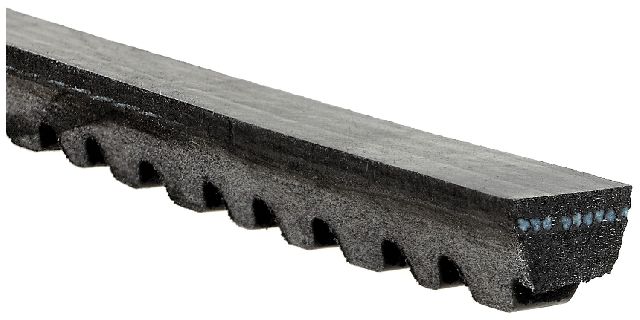
Finding a "New Old Stock" (NOS) original Rover belt is nearly impossible, and the rubber would likely be too old to be reliable anyway. Modern aftermarket belts are the best choice, offering superior materials and manufacturing compared to parts from the 1960s. For a straightforward component like a V-belt, brand choice comes down to reputation and proper fitment.
The key specification for the Rover 2000 (with alternator) is a V-belt that is 10mm wide and 900mm long. Always confirm this dimension before purchasing.
- Good (Economy): Basic aftermarket belts will function well for standard driving. Given the low cost of even premium brands for this part, spending a few extra dollars for a better belt is a wise investment.
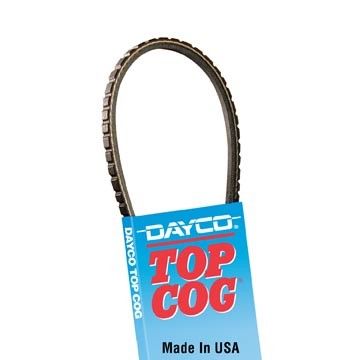
- Better (Standard): Brands like Dayco offer a great balance of quality and price. They are a well-known manufacturer and produce reliable belts that meet or exceed original specifications.
- Best (Premium): For maximum reliability, choose a premium brand like Gates or Continental. These companies are leaders in the industry. Continental is often a preferred brand for European vehicles.
Accessory Drive Belt Cost for 1964-1970 Rover 2000
| Part Type | Estimated Cost |
|---|---|
| New Aftermarket Belt | $7.35 - $30.07 |
| Shop Labor | $50 - $100 |
| Total Estimated Cost | $57 - $130 |
Check Your Pulleys
When replacing the belt, spin the alternator and water pump pulleys by hand. They should spin smoothly and quietly. A wobbly or noisy pulley can destroy a new belt quickly and indicates a failing bearing in that component.
Frequently Asked Questions (FAQ)
How often should I replace the drive belt on my Rover 2000?
For a classic car, it's best to inspect the belt at every oil change and replace it based on condition rather than mileage. Look for cracks, fraying, or glazing. As a general rule, replacing it every 3 to 5 years, regardless of miles, is good preventative maintenance due to rubber aging.
Is this a difficult part to replace myself?
No, this is a very DIY-friendly job for a beginner. It typically involves loosening the mounting bolts on the alternator, pivoting it to release belt tension, swapping the belt, and then re-tensioning the new belt by levering the alternator back before tightening the bolts.
How do I know if the new belt is tight enough?
The original Rover 2000 maintenance manual suggests the belt should have about 8-11 mm (around 3/8 inch) of free movement when pressed firmly midway between the main pulleys. A belt that is too tight can damage the bearings in the alternator and water pump, while a belt that is too loose will slip and squeal.
Are there any recalls for the Rover 2000 drive belt?
No, a search of the NHTSA database shows no recalls or technical service bulletins (TSBs) related to the accessory drive belt for the 1964-1970 Rover 2000.
Technical Specifications
Belt Type: V-Belt Approximate Length: 900mm Top Width: 10mm Correct Tension: 8-11mm (approx. 3/8 inch) of deflection.
We Have This Part in Stock

The information in this article is provided for general reference and educational purposes only. Vehicle specifications, procedures, and part compatibility can vary by production date, trim level, and region. Always consult your vehicle's factory service manual and verify part numbers before purchasing or performing repairs. Safety-critical components such as airbags, seat belts, and braking systems should be installed by a qualified professional.