

Accessory Drive Belt Guide for the 1964-1966 GMC I1000
Keep your classic GMC's essential systems running smoothly with the correct V-belts.
- Your 1964-1966 GMC I1000 uses multiple V-belts, not a single serpentine belt.
- The most important step is to verify the correct belt length and width for each accessory before purchasing.
- Quality aftermarket brands like Gates, Dayco, and Continental are excellent, reliable choices for this vintage truck.
- Proper manual tensioning is critical to prevent noise and ensure a long service life for the new belts.
Understanding Your I1000's V-Belt System
Your 1964-1966 GMC I1000 has a straightforward and reliable engine design. Instead of one large, flat serpentine belt, it uses a series of V-shaped belts, often called V-belts. Each belt fits into a V-shaped groove on the engine pulleys. It's common for these trucks to have multiple belts—one for the alternator and water pump, and separate belts for options like power steering. Because these are simple wear items, inspecting them regularly is key to preventing a breakdown.
Symptoms of a Failing Accessory Drive Belt
A failing belt usually gives clear warning signs. Ignoring them can leave you stranded. If a belt breaks, accessories like the water pump and alternator will stop working immediately, leading to engine overheating or a dead battery.
- Squealing Noises: This is the most common symptom. You may hear a high-pitched squeal when you start the engine, accelerate, or turn the steering wheel. This noise is caused by the belt slipping on the pulleys.
- Visible Damage: Look at the belts. If you see cracks, fraying, glazing (a shiny or smooth surface), or missing chunks of rubber, the belt is worn out and needs to be replaced.
- System Malfunctions: If your battery isn't charging (dimming headlights, battery light on), the alternator belt may be loose or broken. If the engine temperature climbs quickly, the water pump belt may have failed. A sudden increase in steering effort means the power steering belt is gone.
Check Belt Tension
Incorrect belt tension is a common cause of noise and premature failure. After installing a new belt, it should have about a half-inch of deflection when you press on it in the middle of its longest span. Unlike modern vehicles with automatic tensioners, the tension on your I1000 must be set manually by adjusting the position of the accessory (like the alternator).
Choosing the Right Aftermarket Belts
For a vehicle from the mid-1960s, true "OEM" belts from General Motors are no longer available. The good news is that aftermarket brands offer high-quality replacements, and many of these companies were the original suppliers to GM. The most critical factor is getting the correct size for your specific engine and accessory combination.
- Tier 1 (Excellent Quality): Brands like Gates, Dayco, and Continental are top-tier choices. They are known for their durability and are trusted by professional mechanics. Gates is a particularly common recommendation in truck forums. Any of these brands will provide reliable, long-lasting performance for your I1000.
- Confirming Fitment: The number of belts and their required lengths can vary. Your truck could have a V6 or V8 engine, with or without power steering and A/C. Always verify the part numbers or measure your old belts to ensure you are buying the correct replacements.
Replace Belts in Sets
If your truck has multiple belts and you need to replace one, it's a good practice to replace all of them at the same time. They have all been exposed to the same conditions and are likely of a similar age. This saves you from having to do the job again in a few months when another old belt fails.
Accessory Drive Belt Cost for 1964-1966 GMC I1000
| Part Type | Price Range |
|---|---|
| New Aftermarket Belt | $7.33 - $35.28 (per belt) |
| Shop Labor | $100 - $200 |
Cost estimates are for the US market and may vary by location and the number of belts being replaced.
Frequently Asked Questions (FAQ)
How many accessory belts does my GMC I1000 have?
It depends on your truck's engine and options. A base model might have only one or two belts. A truck with a V8, power steering, and air conditioning could have three or more separate V-belts. You must check your specific vehicle to know for sure.
Are there any recalls or technical service bulletins (TSBs) for this issue?
No specific recalls or TSBs for accessory drive belts on the 1964-1966 GMC I1000 were found in online searches of the NHTSA database. Bulletins for this era are rare and generally do not apply to simple wear items like belts.
Is a notched V-belt better than a smooth one?
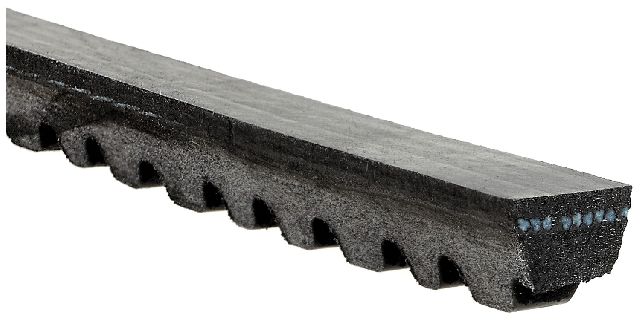
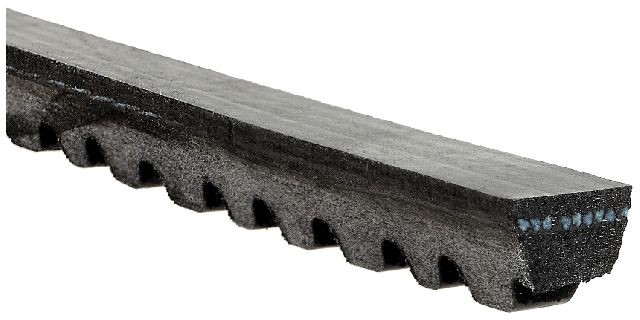
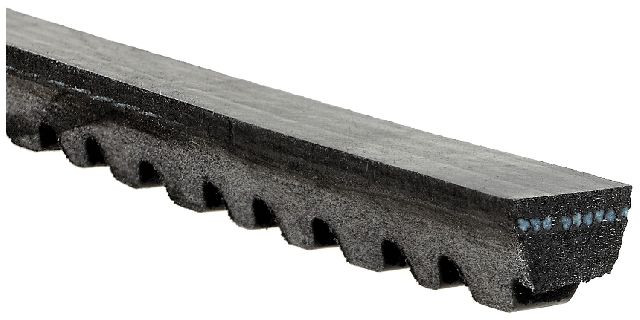
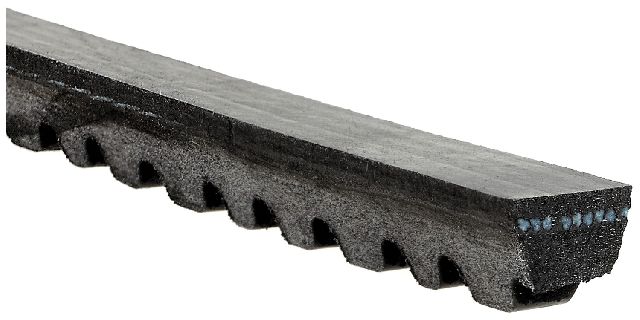
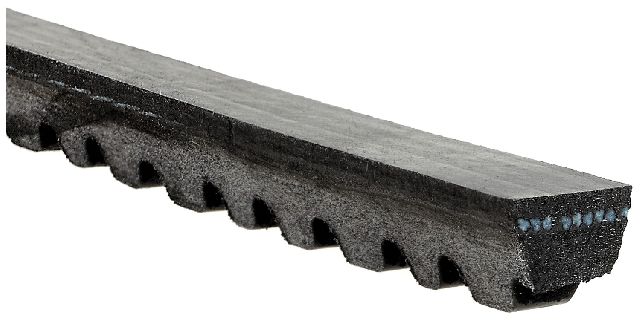
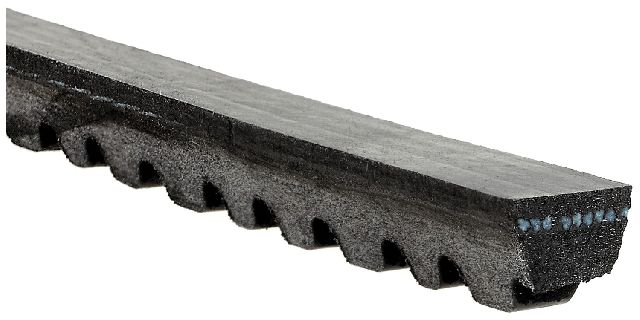
Notched (or cogged) V-belts are designed to be more flexible and dissipate heat better, which can lead to a longer life. For a classic truck application, either a standard wrapped V-belt or a notched V-belt from a quality brand will perform well.
Can I replace the belts myself?
Yes, this is a very DIY-friendly job for someone with basic mechanical skills. The main tools needed are wrenches to loosen the mounting bolts on the accessories (alternator, power steering pump) to release tension and remove the old belts. The key is to remember the routing and to properly tension the new belts upon installation.
Technical Specifications
The system uses multiple V-belts. Belt size (length and top width) varies based on the specific engine (V6 or V8) and which accessories (alternator, power steering, A/C) are installed. Tension is set manually by adjusting the position of each accessory.
We Have This Part in Stock

The information in this article is provided for general reference and educational purposes only. Vehicle specifications, procedures, and part compatibility can vary by production date, trim level, and region. Always consult your vehicle's factory service manual and verify part numbers before purchasing or performing repairs. Safety-critical components such as airbags, seat belts, and braking systems should be installed by a qualified professional.